


Quick Summary: SETE Faces Scrutiny After Female Staff Excluded During Hindu Visit
- Patrick Branco Ruivo, head of the Eiffel Tower’s operating company, will resign by the end of 2026 after a probe revealed female staff exclusion during a Hindu delegation visit.
- The investigation found that female employees were instructed to avoid contact with the visiting group, leading to Ruivo’s departure.
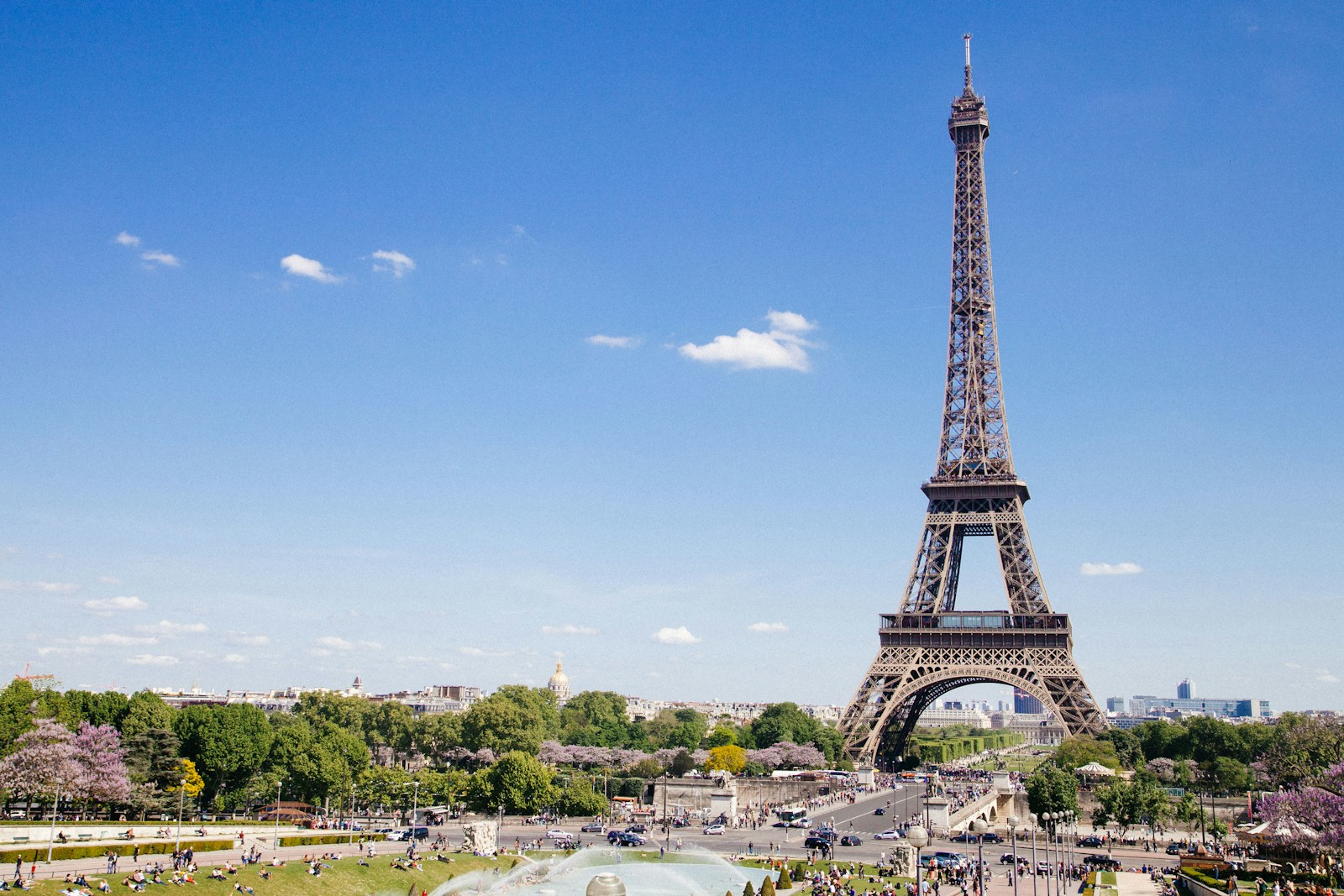
- The Eiffel Tower, a prominent landmark, attracts 7 million visitors annually and employs 402 staff, highlighting the incident’s wide impact.
- Ariel Weil, chair of SETE, has called for gender equality measures and training programs following the incident.
- The Hindu delegation’s request to limit interactions with women sparked a clash between religious accommodation and France’s non-discrimination principles.
Source: Open external resource
Source: Read original article
In a dramatic turn of events, Patrick Branco Ruivo, the chief executive of the company operating the Eiffel Tower, is stepping down following a scandal that exposed gender discrimination during a high-profile visit. This decision comes after an independent investigation revealed that female staff were sidelined during a visit by a Hindu delegation, sparking outrage and leading to Ruivo’s resignation by year-end.
The incident, which occurred on September 5, saw female employees instructed to avoid contact with the delegation from Bochasanwasi Akshar Purushottam Swaminarayan Sanstha (BAPS). This exclusion was not a mere oversight; it was a deliberate act that has now cost Ruivo his position. The fallout from this decision is a stark reminder of the ongoing struggle between respecting religious customs and upholding France’s strict non-discrimination laws.
The Eiffel Tower, a symbol of France, attracts millions of visitors each year and employs hundreds. The scandal has not only disrupted operations but also ignited a broader debate on gender equality and religious accommodation. Ariel Weil, the chair of SETE, has responded by advocating for gender equality measures and training programs to prevent such incidents in the future.
As the dust settles, the focus shifts to how SETE and Paris authorities will address this controversy. Will they treat it as an isolated incident or as a sign of deeper systemic issues within the organization? The coming months will be crucial in determining the future leadership and policies governing this iconic landmark.
The biggest new development is that Patrick Branco Ruivo, the chief executive of the company that runs the Eiffel Tower, will leave at the end of 2026 after an independent investigation found that female staff were excluded during a September 5 visit by a Hindu delegation, turning what began as a staffing controversy into a leadership casualty at one of France’s most visible public landmarks.
Ruivo remains due to leave by the end of the year, so the next decision point is who replaces him and whether Paris authorities treat the affair as a one-off management failure or as evidence of broader weaknesses in how official visits are handled at a company that is 99% owned by the City of Paris.
” Ruivo, who had run SETE since late 2018, is now set to depart by year’s end. 7 million to 7 million visitors a year, stands 330 meters tall, employs 402 people, and generates annual turnover of 156 million euros, according to the latest reports.
The Guardian reported that BAPS said the request was tied to the presence of monks, including spiritual leader Mahant Swami Maharaj, 93, whose vows forbid contact with women. Staff said female employees were told to stay out of contact with the visiting group from Bochasanwasi Akshar Purushottam Swaminarayan Sanstha, or BAPS.
Another striking detail in the latest coverage is who the visiting group was accommodating. What happens next is not a court date or parliamentary vote, but an institutional cleanup with real consequences.
Ariel Weil, the chair of SETE, said he has requested measures and training programs promoting gender equality, and earlier reporting cited two investigations launched at the initiative of Paris officials after the incident. What made the affair explode was the specificity of what workers say happened on September 5.
The Eiffel Tower, a prominent landmark, attracts 7 million visitors annually and employs 402 staff, highlighting the incident’s wide impact. Ariel Weil, the chair of SETE, said he has requested measures and training programs promoting gender equality, and earlier reporting cited two investigations launched at the initiative of Paris officials after the incident.
Ariel Weil, chair of SETE, has called for gender equality measures and training programs following the incident. The Hindu delegation’s request to limit interactions with women sparked a clash between religious accommodation and France’s non-discrimination principles.
The scale and speed of this development has caught many observers off guard. Each new update adds another dimension to a story that is still unfolding, and the full picture will only become clear as more verified details emerge from the people and institutions directly involved.
Analysts who have tracked this issue closely say the current moment represents a genuine turning point. The decisions made in the coming weeks are expected to set the direction for months ahead, with ripple effects likely to extend well beyond the immediate actors in the story.
For those directly affected, the practical impact is already visible. People navigating this fast-changing situation are dealing with real consequences while new information continues to reshape what is known and what remains open to interpretation.
Historical parallels offer some context, though experts caution against drawing too close a comparison. Similar situations have played out before, but the specific combination of pressures, personalities, and timing here makes this moment distinct in ways that matter for how it ultimately resolves.
The political and economic dimensions of this story are deeply intertwined. What appears as a single event on the surface is in practice the convergence of multiple pressures that have been building quietly over a longer period than most public reporting has captured.