Quick Summary: Fukuyama Warns of Democratic Crisis in New Memoir
Korea time, News1 says Fukuyama argued that today’s democratic crisis does not fully disprove his 1989 “End of History” thesis so much as expose the darker side he had already warned about: that people living through peace and prosperity can grow bored, anxious, and vulnerable to demagogues.
He said the “last men” of the current era became so insecure that they were won over by populist agitators who persuaded them “everything is rotten,” and added that this outcome was “perfectly predictable” more than 30 years ago.
News1 reports that Fukuyama’s memoir, In the Realm of the Last Man, is due out on September 8, 2026, and presents the interview as part of that rollout.
Korea time, Fukuyama, 73, says he had once viewed Trump, then a New York real-estate magnate, as someone who could satisfy his drive within a liberal capitalist order.
Instead, he now frames Trump as a figure who moved from market ambition toward personal power.
He pushes the argument further with a stark warning: societies may hurl themselves into “authoritarianism and war,” then only later, after exhaustion sets in, conclude they need to return to liberal democracy.
Fukuyama Admits is at the center of this developing story, and the following analysis explains what matters most right now.
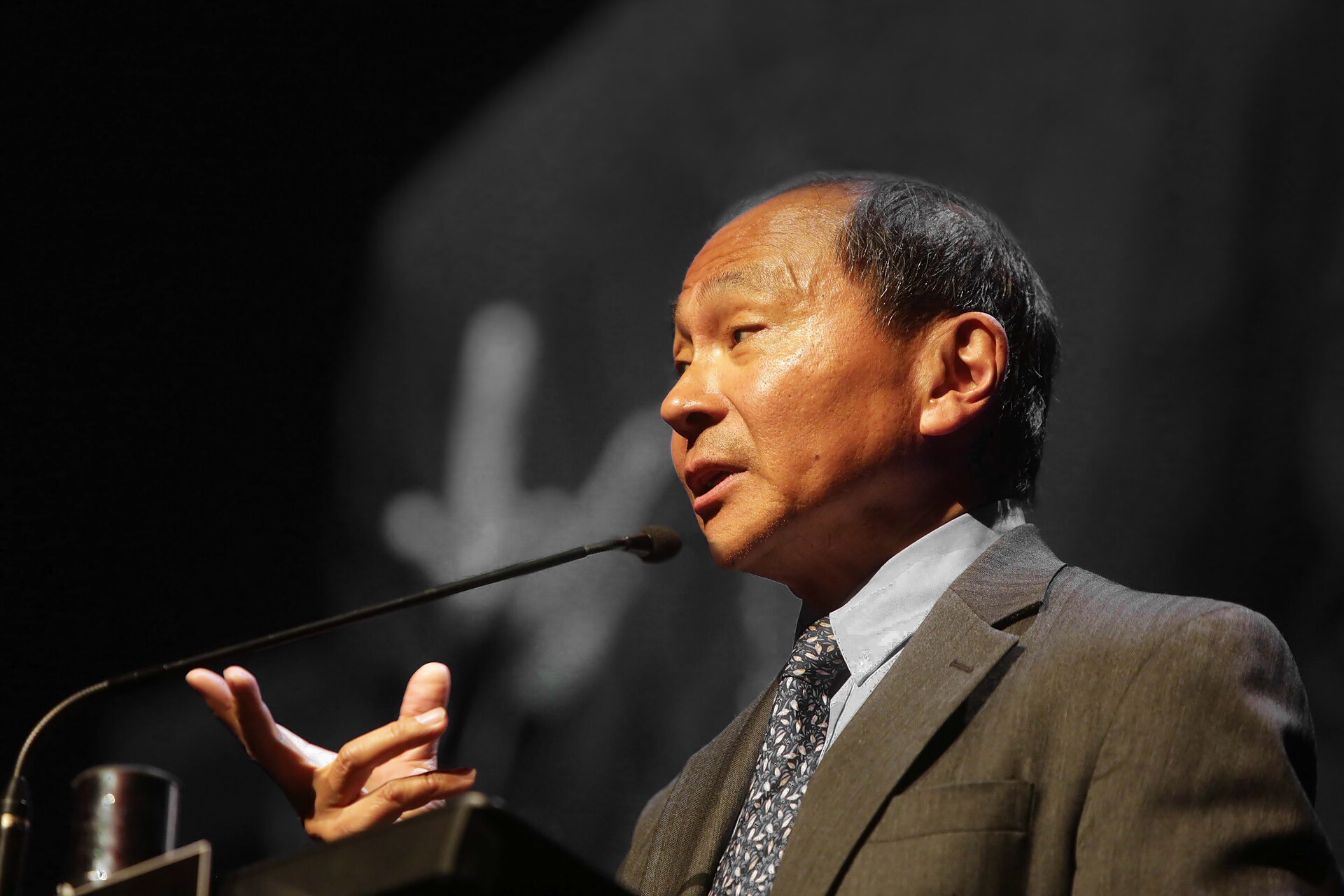
https://www.flickr.com/photos/fronteirasweb/28047333471/. Photo: Wikimedia Commons
The sharpest new turn in this story is Francis Fukuyama’s unusually personal admission, published in reporting circulating on September 1, 2026, that he fundamentally misread Donald Trump’s ambitions: he thought Trump would settle for being “just incredibly rich,” but now says he failed to grasp that wealth alone “would not be enough for him.” (yna. That line is what makes the latest reporting more than another anti-Trump broadside. In the Yonhap report published September 1 at 3:46 a.m. Korea time, Fukuyama, 73, says he had once viewed Trump, then a New York real-estate magnate, as someone who could satisfy his drive within a liberal capitalist order. Instead, he now frames Trump as a figure who moved from market ambition toward personal power. The article’s headline itself crystallizes the reversal: “I mistook Trump for someone who would become rich instead of a tyrant.” Yonhap also highlights another profane self-correction from Fukuyama about his earlier worldview, quoting him saying two core beliefs behind the Iraq war and market fundamentalism turned out to be “Total bullshit.” (yna. The core conflict driving the coverage is not just Fukuyama versus Trump, but Fukuyama versus his own most famous thesis. In follow-on reporting published September 1 at 9:21 a.m. Korea time, News1 says Fukuyama argued that today’s democratic crisis does not fully disprove his 1989 “End of History” thesis so much as expose the darker side he had already warned about: that people living through peace and prosperity can grow bored, anxious, and vulnerable to demagogues. He said the “last men” of the current era became so insecure that they were won over by populist agitators who persuaded them “everything is rotten,” and added that this outcome was “perfectly predictable” more than 30 years ago. (fnnews. What stands out in the latest reporting is the way Fukuyama now describes politics as a cycle rather than a destination. Yonhap says he told an interview with The New York Times that societies may be trapped in a “cyclical system” in which they enjoy the peace and prosperity produced by liberal democracy, then grow tired of it and begin dismantling it themselves. He pushes the argument further with a stark warning: societies may hurl themselves into “authoritarianism and war,” then only later, after exhaustion sets in, conclude they need to return to liberal democracy. That is the surprising twist here: one of liberal democracy’s most famous theorists is no longer speaking in triumphalist terms, but in almost fatalistic ones. (yna. Trump is the central figure in that argument, but the reporting broadens the cast. Yonhap says Fukuyama had already grouped Trump with other elected leaders he sees as threats to liberal institutions, naming Recep Tayyip Erdogan and former Brazilian president Jair Bolsonaro as examples of right-wing crisis figures who used electoral mandates to attack courts, the judiciary, nonpartisan bureaucracies, independent media, and checks and balances. The main organizations at issue are therefore not only political parties or governments, but the institutional guardrails of liberal democracy itself: courts, civil services, and the press. (yna. There are also concrete book-publication and political dates in the newest coverage that give this story a near-term timeline. News1 reports that Fukuyama’s memoir, In the Realm of the Last Man, is due out on September 8, 2026, and presents the interview as part of that rollout. The same report says Fukuyama previously identified the U.S. midterm elections this November as the most important event shaping the global economy and diplomatic order in 2026. That means the next phase of this story is not merely literary or intellectual; it is tied directly to whether Trump’s power is checked or reinforced in a national vote just weeks away. (fnnews. So the most newsworthy revelation right now is the bluntness of the self-revision: Fukuyama is no longer merely warning that Trump is illiberal, but confessing that he personally underestimated the difference between oligarchic appetite and authoritarian hunger. The new reporting makes that admission vivid with one devastating line: “I thought he could become a tyrant instead of becoming rich” is not how he puts it; rather, he says he thought Trump would become rich instead of a tyrant, and “didn’t realize” that becoming rich “would not be enough.” In a media cycle crowded with abstract arguments about democracy, that direct acknowledgment of a historic misjudgment is the detail that gives this story its force right now. (yna.co.kr)
Korea time, News1 says Fukuyama argued that today’s democratic crisis does not fully disprove his 1989 “End of History” thesis so much as expose the darker side he had already warned about: that people living through peace and prosperity can grow bored, anxious, and vulnerable to demagogues. He said the “last men” of the current era became so insecure that they were won over by populist agitators who persuaded them “everything is rotten,” and added that this outcome was “perfectly predictable” more than 30 years ago.
News1 reports that Fukuyama’s memoir, In the Realm of the Last Man, is due out on September 8, 2026, and presents the interview as part of that rollout. Korea time, Fukuyama, 73, says he had once viewed Trump, then a New York real-estate magnate, as someone who could satisfy his drive within a liberal capitalist order.
Instead, he now frames Trump as a figure who moved from market ambition toward personal power. He pushes the argument further with a stark warning: societies may hurl themselves into “authoritarianism and war,” then only later, after exhaustion sets in, conclude they need to return to liberal democracy.
That line is what makes the latest reporting more than another anti-Trump broadside. kr) The core conflict driving the coverage is not just Fukuyama versus Trump, but Fukuyama versus his own most famous thesis.
That is the surprising twist here: one of liberal democracy’s most famous theorists is no longer speaking in triumphalist terms, but in almost fatalistic ones. kr) Trump is the central figure in that argument, but the reporting broadens the cast.
Korea time, Fukuyama, 73, says he had once viewed Trump, then a New York real-estate magnate, as someone who could satisfy his drive within a liberal capitalist order. Instead, he now frames Trump as a figure who moved from market ambition toward personal power.
He pushes the argument further with a stark warning: societies may hurl themselves into “authoritarianism and war,” then only later, after exhaustion sets in, conclude they need to return to liberal democracy. Fukuyama Admits: Key Takeaways Fukuyama Admits is at the center of this developing story, and the following analysis explains what matters most right now.
The scale and speed of this development has caught many observers off guard. Each new update adds another dimension to a story that is still unfolding, and the full picture will only become clear as more verified details emerge from the people and institutions directly involved.
Analysts who have tracked this issue closely say the current moment represents a genuine turning point. The decisions made in the coming weeks are expected to set the direction for months ahead, with ripple effects likely to extend well beyond the immediate actors in the story.