

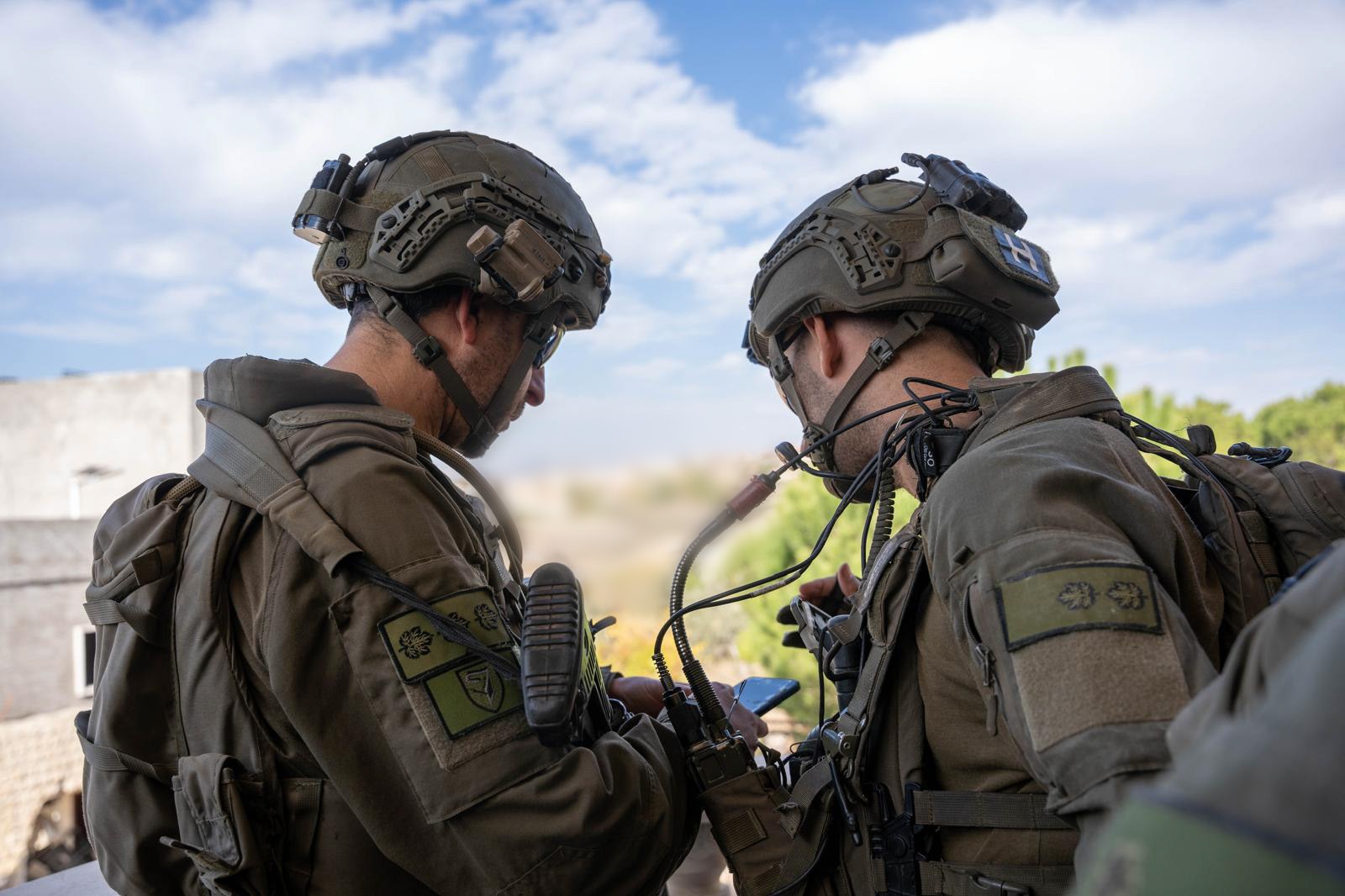

Quick Summary: IDF Strikes Hezbollah Sites in Lebanon Following Drone Attack
- Hezbollah launched drones at Israeli troops in southern Lebanon — IDF retaliated with strikes on Hezbollah infrastructure.
- Ali Taher hill has experienced daily shelling — the area remains a strategic contest between forces.
- Israel released four Lebanese prisoners — showcasing open indirect negotiation channels amidst conflict.
- No Israeli casualties reported from the drone attack — the asymmetry in casualties fuels political tension.
- Ceasefire violations are raising diplomatic stakes — the truce framework appears increasingly fragile.
Source: Open external resource
Source: Read original article
The Middle East is once again a theater of tension as the IDF and Hezbollah engage in a dangerous exchange. This latest flare-up, marked by drone attacks and retaliatory strikes, underscores the fragile nature of the ceasefire agreement reached just months ago.
On September 4 and 5, 2026, Hezbollah launched drones targeting Israeli soldiers in southern Lebanon, prompting the IDF to strike back at Hezbollah infrastructure in Nabatieh. This area, already a flashpoint, has seen ongoing military activity, with strategic positions like Ali Taher hill under constant threat. The IDF describes its actions as preemptive, aimed at neutralizing immediate threats, but the human cost is undeniable, with Lebanese casualties mounting.
The political landscape is complicated by the simultaneous acts of aggression and diplomacy. While the skies over southern Lebanon are filled with drones and airstrikes, Israel has also released Lebanese prisoners in a separate deal, highlighting the paradox of negotiation amidst conflict. This duality is shaping the regional narrative, as both sides claim moral and strategic high ground.
The broader context of this military exchange is a truce that seems increasingly tenuous. Reports from various outlets, including AP and The Times of Israel, indicate that while fighting has ceased in much of Lebanon, strategic areas remain hotly contested. The IDF’s framing of its actions as necessary defense contrasts sharply with Lebanese reports emphasizing the civilian toll of Israeli reprisals.
As the world watches, the question remains whether this cycle of provocation and retaliation will spiral into a larger conflict or if diplomatic channels can stabilize the region once more. The stakes are high, and the costs, both human and political, continue to rise.
The freshest cross-checked reporting points to a narrow but dangerous escalation on Thursday, September 4, and Friday, September 5, 2026: the IDF said Hezbollah sent drones toward Israeli soldiers in southern Lebanon, while Israeli strikes then hit Hezbollah infrastructure in the Nabatieh area that the military said was being used to plan attacks on both Israeli forces and civilians. What happens next is likely to turn on whether this remains a contained exchange or becomes a pattern that formally ruptures the ceasefire framework reached in late June 2026.
The military said it struck Hezbollah infrastructure in the Nabatieh area, and JFeed’s report, published about two weeks ago, said earlier retaliatory action in this same pattern had included infrastructure in Nabatieh and an organizational headquarters in the Ansar region, with additional operatives allegedly killed. AP also reported today that Ali Taher hill, a strategic ridge overlooking parts of a main southern city, has seen daily shelling and airstrikes in recent weeks, suggesting the current flare-up is not an isolated incident but part of a sustained contest over who controls sensitive ground in south Lebanon.
In another AP dispatch yesterday, Israel was reported to have freed four more Lebanese prisoners in a separate deal tied to missing Jews from Lebanon’s civil-war era, showing that even as military exchanges continue, indirect bargaining channels remain open. The clearest hard numbers in the current cycle come from Lebanon’s side: according to Associated Press reporting published yesterday, Lebanon’s health ministry said three people were killed and 23 were wounded in Israeli strikes in southern Lebanon and the eastern Bekaa Valley on Friday after the drone incident.
The most quoted Israeli language in the immediate aftermath is the IDF’s claim that the sites struck were used to advance attacks and that the operation was meant to “remove an immediate threat,” while AP’s reporting captures the Lebanese official narrative through the health ministry’s death and injury count rather than rhetorical statements. The IDF, for its part, said there were no Israeli casualties from the Hezbollah drone launch in the latest episode, echoing similar recent incidents in which drones struck equipment or areas near troops without causing deaths.
The core dispute driving the story is no longer just whether Hezbollah violated the truce by launching drones; it is whether Israel’s continued military posture in southern Lebanon has made the ceasefire inherently unstable. AP reported that months after the ceasefire took effect, fighting has stopped in much of Lebanon but not around strategic positions such as Ali Taher hill.
AP also reported today that Ali Taher hill, a strategic ridge overlooking parts of a main southern city, has seen daily shelling and airstrikes in recent weeks, suggesting the current flare-up is not an isolated incident but part of a sustained contest over who controls sensitive ground in south Lebanon. In another AP dispatch yesterday, Israel was reported to have freed four more Lebanese prisoners in a separate deal tied to missing Jews from Lebanon’s civil-war era, showing that even as military exchanges continue, indirect bargaining channels remain open.
Israel released four Lebanese prisoners — showcasing open indirect negotiation channels amidst conflict. No Israeli casualties reported from the drone attack — the asymmetry in casualties fuels political tension.
The IDF, for its part, said there were no Israeli casualties from the Hezbollah drone launch in the latest episode, echoing similar recent incidents in which drones struck equipment or areas near troops without causing deaths. AP reported that months after the ceasefire took effect, fighting has stopped in much of Lebanon but not around strategic positions such as Ali Taher hill.
The scale and speed of this development has caught many observers off guard. Each new update adds another dimension to a story that is still unfolding, and the full picture will only become clear as more verified details emerge from the people and institutions directly involved.
Analysts who have tracked this issue closely say the current moment represents a genuine turning point. The decisions made in the coming weeks are expected to set the direction for months ahead, with ripple effects likely to extend well beyond the immediate actors in the story.
For those directly affected, the practical impact is already visible. People navigating this fast-changing situation are dealing with real consequences while new information continues to reshape what is known and what remains open to interpretation.
Historical parallels offer some context, though experts caution against drawing too close a comparison. Similar situations have played out before, but the specific combination of pressures, personalities, and timing here makes this moment distinct in ways that matter for how it ultimately resolves.
The political and economic dimensions of this story are deeply intertwined. What appears as a single event on the surface is in practice the convergence of multiple pressures that have been building quietly over a longer period than most public reporting has captured.