

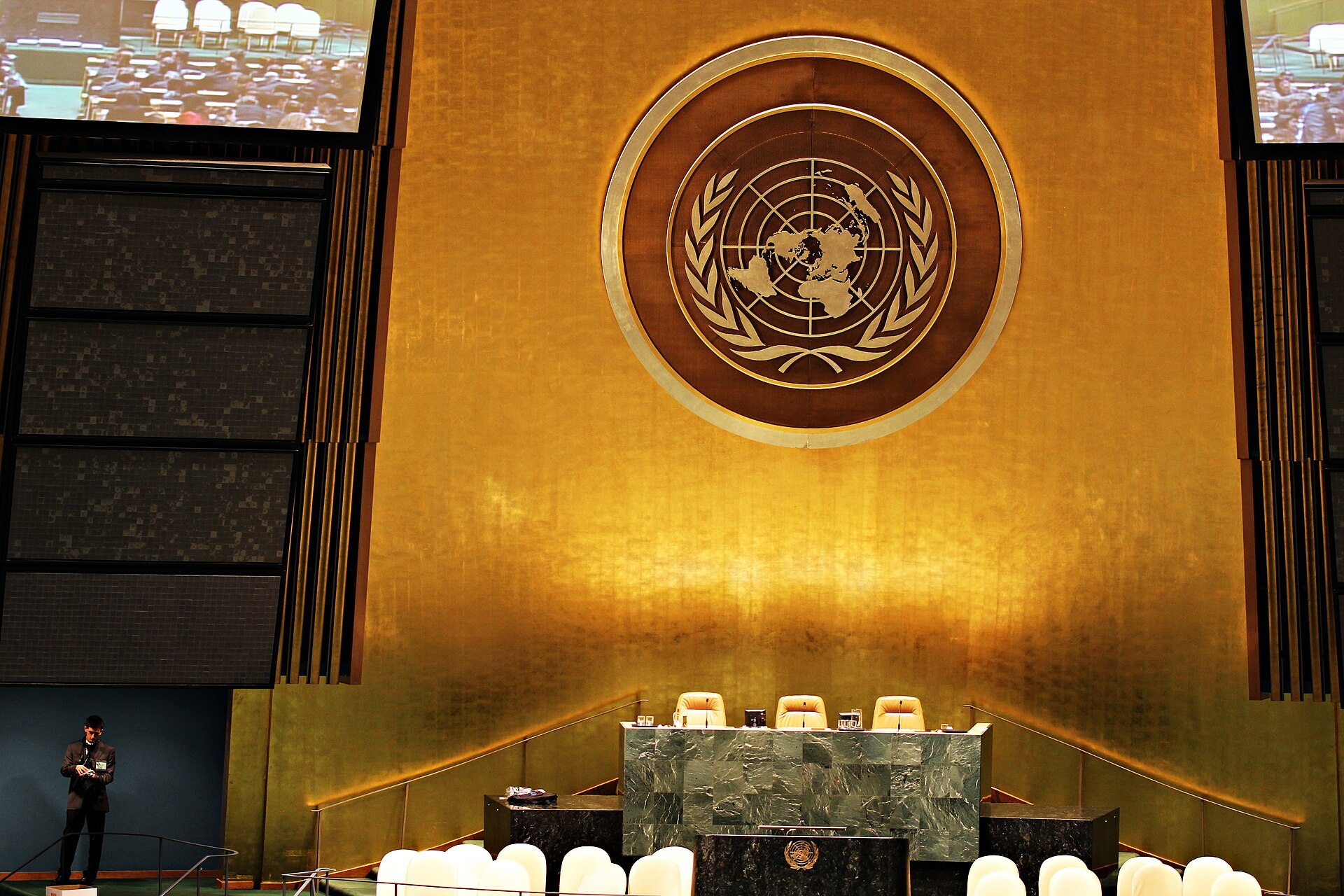

Quick Summary: UNGA Adopts Kazakhstans Proposal for International Day of Planet Greening
- On August 31, 2026, the UN General Assembly adopted Kazakhstan’s resolution for the International Day of Greening the Planet.
- President Tokayev introduced the idea in September 2025, leading to its adoption in just 11 months.
- The resolution aims to enhance global awareness and encourage activities related to greening and ecosystem restoration.
- Co-sponsorship by 32 countries highlights broad international support, though detailed commitments are still pending.
- Kazakhstan’s initiative aligns with its broader environmental diplomacy, projecting leadership in international environmental efforts.
Source: Open external resource
Source: Read original article
In a significant move, the UN General Assembly has embraced Kazakhstan’s initiative to establish April 22 as the International Day of Greening the Planet. This resolution, adopted on August 31, 2026, marks a pivotal moment in global environmental diplomacy. Kazakhstans is at the center of this development.
Kazakhstan’s President, Kassym-Jomart Tokayev, first proposed this idea during the UN General Assembly’s 80th session in September 2025. The swift journey from proposal to adoption in just 11 months underscores the urgency and importance of environmental restoration on the global stage.
With 32 countries co-sponsoring the resolution, the initiative has garnered substantial international backing. However, the real test lies in transforming this symbolic gesture into concrete actions. Kazakhstan’s Foreign Ministry emphasizes the need to raise global awareness and foster activities that support greening and ecosystem restoration.
While the resolution aligns with Earth Day’s themes and Kazakhstan’s ‘Taza Kazakhstan’ campaign, the challenge remains to ensure that it transcends mere symbolism. The absence of specific funding or implementation mechanisms raises questions about its potential impact.
Kazakhstan’s strategic bundling of environmental leadership with its broader UN agenda adds diplomatic weight to the initiative. Yet, the focus now shifts to whether this new observance will inspire tangible environmental commitments or remain a ceremonial milestone.
The next decision point is not another reported UN vote but how quickly the UN system, member states and partner agencies translate the declaration into an actual annual program before April 22, 2027, the first observance under the new designation. The key new development is that the UN General Assembly has now formally adopted Kazakhstan’s resolution creating April 22 as the International Day of Greening the Planet, turning what began as President Kassym-Jomart Tokayev’s September 2025 proposal into a new UN-recognized observance backed by 32 co-sponsoring member states from multiple regions.
On August 31, 2026, the UN General Assembly adopted the resolution in New York. The resolution was adopted in New York on August 31, 2026, and the most concrete detail in the latest reporting is the choice of date: April 22, which aligns the new UN day with Earth Day and its long-established association with tree planting and environmental action.
The main people driving the story are Tokayev, who first floated the idea during the general debate of the 80th session of the UN General Assembly in September 2025, and Kazakhstan’s diplomatic mission at the UN, which carried the initiative through to adoption almost a year later. The proposal itself dates to September 2025, when Tokayev introduced it at the 80th UNGA general debate, meaning the initiative moved from speech to formal adoption in roughly 11 months.
Kazakhstan’s Foreign Ministry said the measure is meant to “raise global awareness” about greening and ecosystem restoration, while encouraging UN bodies, governments, civil society groups and other stakeholders to organize activities around the new observance. The co-sponsorship by 32 countries is the clearest numerical marker of support reported so far, though no roll-call vote total has been publicly highlighted in the latest coverage.
On September 1, multiple regional and Kazakh outlets, including Interfax-Kazakhstan and The Astana Times, amplified the decision and confirmed the 32-country co-sponsorship and April 22 designation. Kazakhstan has already signaled that it wants closer cooperation with UN agencies and broader participation from civil society, so the next newsworthy development will likely be whether specific campaigns, restoration pledges, tree-planting targets or funding commitments are announced ahead of that date.
Kazakhstan’s President, Kassym-Jomart Tokayev, first proposed this idea during the UN General Assembly’s 80th session in September 2025. On August 31, 2026, the UN General Assembly adopted the resolution in New York.
The proposal itself dates to September 2025, when Tokayev introduced it at the 80th UNGA general debate, meaning the initiative moved from speech to formal adoption in roughly 11 months. Co-sponsorship by 32 countries highlights broad international support, though detailed commitments are still pending.
In a significant move, the UN General Assembly has embraced Kazakhstan’s initiative to establish April 22 as the International Day of Greening the Planet. Kazakhstan’s Foreign Ministry said the measure is meant to “raise global awareness” about greening and ecosystem restoration, while encouraging UN bodies, governments, civil society groups and other stakeholders to organize activities around the new observance.
The scale and speed of this development has caught many observers off guard. Each new update adds another dimension to a story that is still unfolding, and the full picture will only become clear as more verified details emerge from the people and institutions directly involved.
Analysts who have tracked this issue closely say the current moment represents a genuine turning point. The decisions made in the coming weeks are expected to set the direction for months ahead, with ripple effects likely to extend well beyond the immediate actors in the story.
For those directly affected, the practical impact is already visible. People navigating this fast-changing situation are dealing with real consequences while new information continues to reshape what is known and what remains open to interpretation.
Historical parallels offer some context, though experts caution against drawing too close a comparison. Similar situations have played out before, but the specific combination of pressures, personalities, and timing here makes this moment distinct in ways that matter for how it ultimately resolves.
The political and economic dimensions of this story are deeply intertwined. What appears as a single event on the surface is in practice the convergence of multiple pressures that have been building quietly over a longer period than most public reporting has captured.