

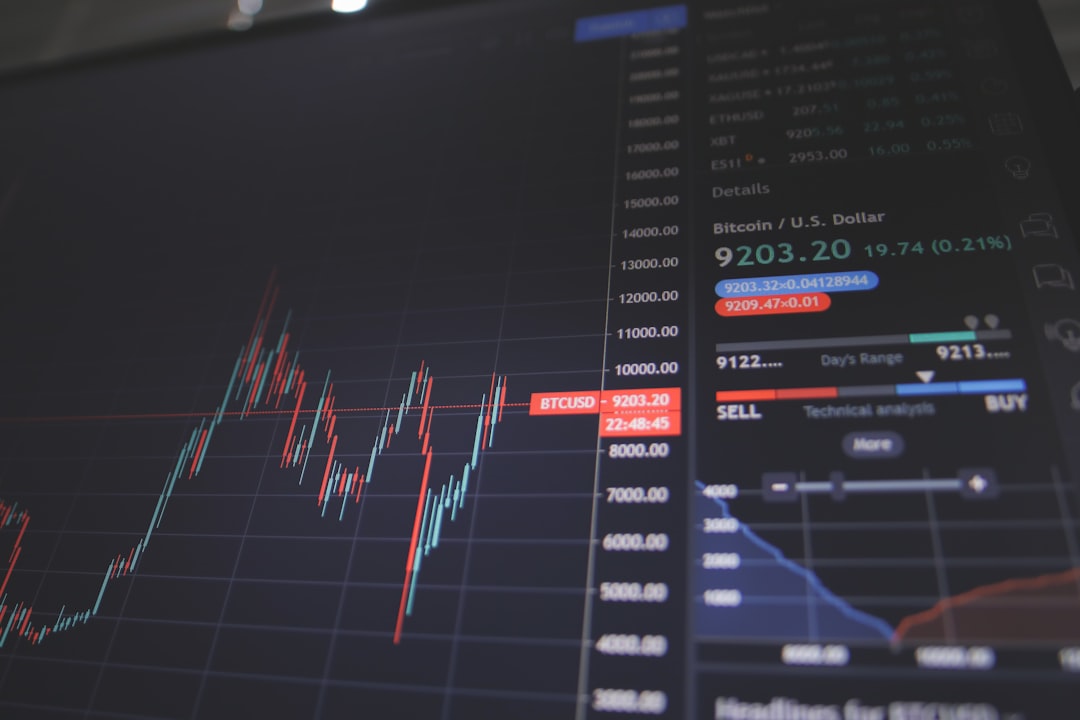

Quick Summary: Stock Market Reacts to Bond Market Signals Over Political Events
- The August jobs report showed 162,000 new payrolls, nearly triple expectations, pushing the 2-year Treasury yield to 4.41% and reviving rate hike fears.
- Stocks fell after the labor data, with the S&P 500 down 0.4%, Dow Jones down 0.5%, and Nasdaq down 0.3%, while the 10-year Treasury yield rose to 4.774%.
- Analysts argue the labor market’s resilience gives the Fed cover to tighten, with the CPI next week being crucial for a potential September rate hike.
- Despite election-related legal developments, markets are more influenced by bond market signals than political shifts.
- Mainstream asset managers believe trade policy and inflation will impact markets more than midterm election outcomes.
Source: Open external resource
Source: Read original article
As the November midterm elections approach, one might expect political upheaval to ripple through the stock market. Yet, the reality is starkly different. The market’s primary concern isn’t the political theater but the Federal Reserve’s next move.
The recent August jobs report, which revealed a staggering 162,000 new payrolls, has shifted market focus sharply towards monetary policy. This unexpected labor market strength has pushed the 2-year Treasury yield to 4.41%, reigniting fears of a rate hike at the Fed’s upcoming meeting. Stocks reacted swiftly, with the S&P 500, Dow Jones, and Nasdaq all experiencing declines.
While the elections might seem like a significant market factor, the real driver remains economic indicators and the Fed’s response to them. Analysts highlight that a resilient labor market provides the Fed with the justification to tighten monetary policy, making the upcoming CPI data crucial for determining a potential September rate hike.
Despite ongoing political developments, such as election-related legal battles and campaign strategies, the bond market’s signals are far more influential. Rising oil prices, government debt concerns, and persistent inflation have already set a precarious stage for September, overshadowing any political noise.
Ultimately, the market’s trajectory is more likely to be shaped by trade policy and inflation concerns than by the midterm elections themselves. The financial world remains focused on economic resilience and inflationary pressures, with political shifts taking a backseat.
The next major trigger is next week’s CPI and PPI data, which several analysts said could decide whether the Fed moves on September 15-16. 41% and reviving fears of a rate hike at the Fed’s September 15-16 meeting.
” Charles Schwab has said Democrats are “modestly favored to retake the House” while Republicans retain “an edge in the Senate,” but even that analysis emphasizes near-term volatility over any durable market regime shift. Rising oil prices, high government debt concerns, and a renewed focus on sticky inflation had already made September look dangerous for risk assets before the jobs report hit.
4246%, its highest since January 2025, while the curve spread between 2-year and 10-year Treasurys was around 40 basis points. 1%, that debate snapped back the other way.
At the same time, AP reported that President Donald Trump is still holding back much of his campaign cash with just over two months until the Nov. That is the core twist in the latest reporting: investors are not treating the November midterms as the market’s main driver right now, even though the elections are approaching and control of Congress is at stake.
The most specific debate now is not whether Democrats can retake the House or whether Republicans can hold the Senate, but whether a still-resilient labor market gives Fed officials cover to tighten again. ” Those remarks capture the conflict now driving the story: election uncertainty versus monetary-policy risk, with policy risk winning.
4246%, its highest since January 2025, while the curve spread between 2-year and 10-year Treasurys was around 40 basis points. The recent August jobs report, which revealed a staggering 162,000 new payrolls, has shifted market focus sharply towards monetary policy.
41%, reigniting fears of a rate hike at the Fed’s upcoming meeting. 1%, that debate snapped back the other way.
At the same time, AP reported that President Donald Trump is still holding back much of his campaign cash with just over two months until the Nov. The market’s primary concern isn’t the political theater but the Federal Reserve’s next move.
The scale and speed of this development has caught many observers off guard. Each new update adds another dimension to a story that is still unfolding, and the full picture will only become clear as more verified details emerge from the people and institutions directly involved.
Analysts who have tracked this issue closely say the current moment represents a genuine turning point. The decisions made in the coming weeks are expected to set the direction for months ahead, with ripple effects likely to extend well beyond the immediate actors in the story.
For those directly affected, the practical impact is already visible. People navigating this fast-changing situation are dealing with real consequences while new information continues to reshape what is known and what remains open to interpretation.
Historical parallels offer some context, though experts caution against drawing too close a comparison. Similar situations have played out before, but the specific combination of pressures, personalities, and timing here makes this moment distinct in ways that matter for how it ultimately resolves.
The political and economic dimensions of this story are deeply intertwined. What appears as a single event on the surface is in practice the convergence of multiple pressures that have been building quietly over a longer period than most public reporting has captured.