

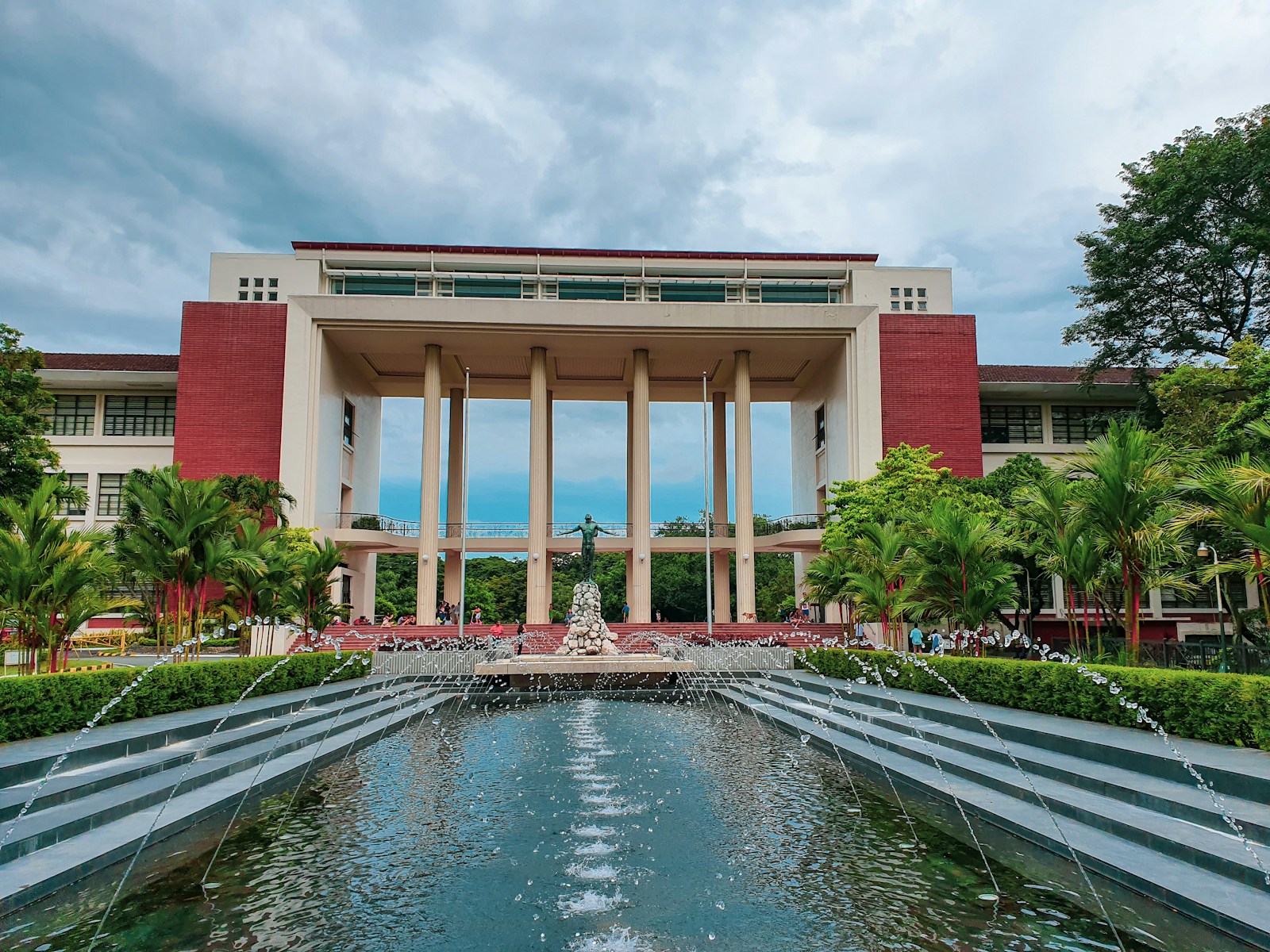

Quick Summary: University of the Philippines Drops to 402nd in Global Rankings
- QS released the 2027 rankings on June 18, 2026, evaluating 1,504 institutions worldwide, with UP scoring 38.
- UP remained the top Philippine university but fell from 362nd to =402 globally in the QS rankings.
- The University of Santo Tomas dropped from the 851-900 bracket to 951-1000, while Adamson University stayed in the 1001-1200 tier.
- All five Philippine universities in the QS rankings fell in global standings, signaling a national performance issue.
- The 40-place drop for UP highlights a broader decline in the competitive position of Philippine universities.
Source: Open external resource
Source: Read original article
The University of the Philippines (UP) remains the top-ranked university in the Philippines according to the latest QS World University Rankings, but this accolade comes with a stark reality check. UP has slipped from 362nd to a shared 402nd position globally, underscoring a troubling decline in the international standing of Philippine higher education.
Released on June 18, 2026, the QS rankings evaluated 1,504 institutions worldwide. Despite UP’s continued national dominance, the 40-place global drop is a wake-up call. It highlights not just UP’s struggle but a broader issue affecting all ranked Philippine universities, which have collectively slid down the global ladder.
Other institutions like the University of Santo Tomas and Adamson University have also lost ground, further emphasizing the systemic challenges facing Philippine academia. The QS methodology, which includes factors such as academic reputation and faculty-to-student ratio, paints a picture of a sector in need of significant reform to regain its footing.
As the narrative unfolds, the focus shifts to how Philippine universities can address these challenges. The need for increased research funding, stronger international partnerships, and improved faculty and student ratios is more pressing than ever. The current trajectory suggests that without decisive action, the decline could continue, affecting the nation’s educational prestige and future competitiveness.
QS released the 2027 rankings on June 18, 2026, and evaluated 1,504 institutions worldwide, giving UP an overall score of 38. Ateneo de Manila University dropped from 511th in the 2026 rankings to the 516-520 band in 2027, while De La Salle University moved down from 654th to 681-690.
The University of Santo Tomas fell from the 851-900 bracket to the 951-1000 bracket, and Adamson University also remained in the 1001-1200 tier after losing ground. A recent University of the Philippines Manila release celebrated a rise to 447th in another global ranking, from 479th in 2025, and presented that as evidence of stronger research, medical output, and internationalization.
The biggest new development is stark rather than celebratory: the University of the Philippines is still the country’s top school in the latest QS World University Rankings, but it fell to =402 globally in the 2027 table, meaning the headline win for UP came alongside a broad slide for every ranked Philippine university. The freshest report, published today by the Philippine Canadian Inquirer, says UP remained the highest-ranked Philippine university in the 2027 QS World University Rankings even as it slipped from 362nd in the 2026 edition to =402 this year.
That 40-place drop is the most important number in the story because it reframes the result from simple national dominance to a warning sign about the country’s competitive position. UP’s own statement after the June 18 release said it “continues to be the country’s leading university,” but the harder fact inside that announcement was the =402 placement and overall score of 38.
On June 18, 2026, QS published the 2027 World University Rankings. Today, September 4, 2026, the Philippine Canadian Inquirer pushed that same result back into the news cycle, effectively giving the story a second life by emphasizing the contrast between UP’s local lead and the countrywide decline.
QS released the 2027 rankings on June 18, 2026, and evaluated 1,504 institutions worldwide, giving UP an overall score of 38. The University of Santo Tomas dropped from the 851-900 bracket to 951-1000, while Adamson University stayed in the 1001-1200 tier.
The University of Santo Tomas fell from the 851-900 bracket to the 951-1000 bracket, and Adamson University also remained in the 1001-1200 tier after losing ground. The 40-place drop for UP highlights a broader decline in the competitive position of Philippine universities.
The scale and speed of this development has caught many observers off guard. Each new update adds another dimension to a story that is still unfolding, and the full picture will only become clear as more verified details emerge from the people and institutions directly involved.
Analysts who have tracked this issue closely say the current moment represents a genuine turning point. The decisions made in the coming weeks are expected to set the direction for months ahead, with ripple effects likely to extend well beyond the immediate actors in the story.
For those directly affected, the practical impact is already visible. People navigating this fast-changing situation are dealing with real consequences while new information continues to reshape what is known and what remains open to interpretation.
Historical parallels offer some context, though experts caution against drawing too close a comparison. Similar situations have played out before, but the specific combination of pressures, personalities, and timing here makes this moment distinct in ways that matter for how it ultimately resolves.
The political and economic dimensions of this story are deeply intertwined. What appears as a single event on the surface is in practice the convergence of multiple pressures that have been building quietly over a longer period than most public reporting has captured.