


Quick Summary: Reserve Bank Halts Rate Hikes as Oil Prices Near $100 Per Barrel
- The South African Reserve Bank paused rate hikes on 23 July 2026, maintaining the repo rate at 7% despite 5% inflation.
- Critics argue South Africa is treating a supply shock as a demand boom, exacerbating economic issues.
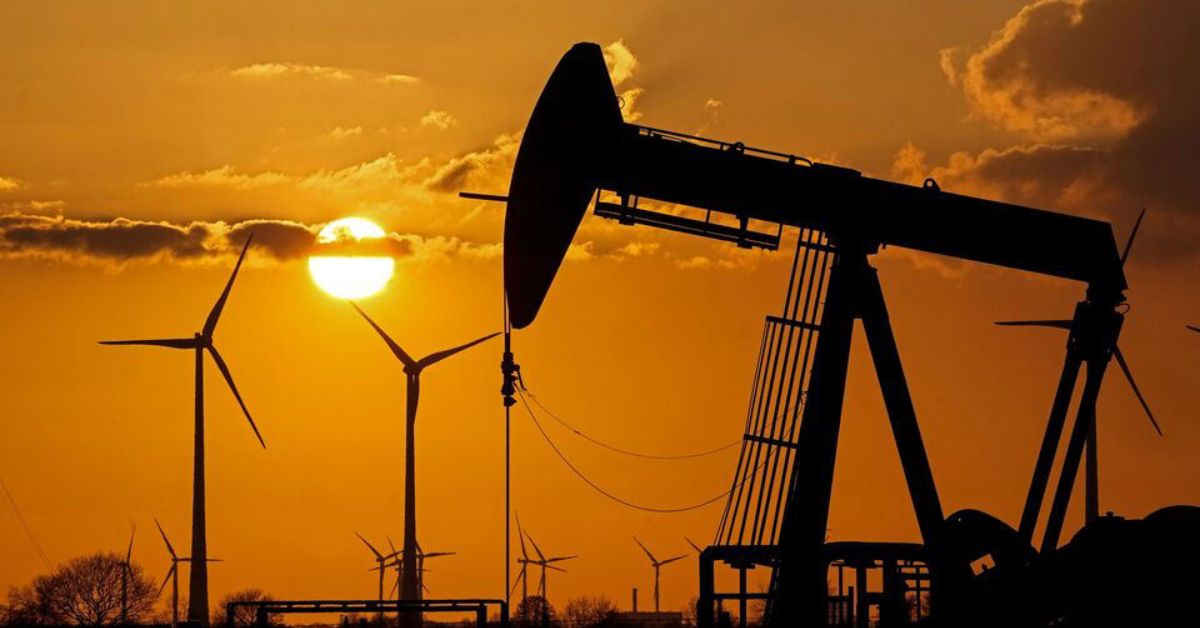
- Oil prices surged to near $100 per barrel, impacting inflation due to Middle East tensions.
- The gap between the 7% policy rate and 5% inflation highlights the punitive nature of current monetary policy.
- Economists suggest the focus should shift from inflation control to fostering economic growth.
Source: Open external resource
Source: Read original article
The South African Reserve Bank’s decision to hold the repo rate at 7% on July 23, 2026, has sparked intense debate. Critics argue that the nation is mismanaging its economic strategy by treating a supply shock like a demand boom, leading to unnecessary economic strain.
With oil prices hovering near $100 per barrel due to Middle East instability, inflationary pressures are mounting. Yet, the Reserve Bank’s rigid adherence to high interest rates, even amidst a weak economy, is seen as detrimental. The 7% policy rate against 5% inflation underscores the harshness of current monetary settings.
This ongoing debate isn’t just about economic figures; it’s about the strategic direction of South Africa’s economy. Economists like Van Doesburgh emphasize that high rates suppress borrowing, spending, and investment, without addressing the root causes of inflation.
As the Reserve Bank faces mounting pressure to adapt its policies, the question remains: Will it continue to prioritize inflation control at the expense of growth, or will it pivot towards policies that stimulate economic activity?
Sunday World said the MPC on 23 July 2026 “defied market expectations for a hike” and implicitly retracted the controversial May move, while keeping the repo rate at 7% against 5% inflation. za) The original Sunday World piece, published on 20 September 2026, sharpened that critique by arguing that South Africa is reacting to a supply shock as if it were a demand boom.
1%, with crude “above or, close to $100 per barrel,” tying the rise directly to fuel and energy costs linked to Middle East instability. That gap — 7% policy rates in a 5% inflation environment — is the most concrete number in the dispute, because critics say it shows monetary settings remained punitive even after the Bank blinked.
0% inflation and a 7% repo rate, is the most current and consequential development in the story right now. A week later, on 31 May, the paper said the Reserve Bank still went ahead with a 25-basis-point increase.
Sunday World’s May 3 and September 20 pieces were written by economist Van Doesburgh, who argued that higher rates “reduce borrowing,” “reduce spending” and “reduce investment,” while doing nothing to “resolve conflict in the Middle East” or lower world oil prices. za) What makes the reporting more compelling is how quickly subsequent events seemed to validate the warning.
What happens next is not a single vote in parliament but the next round of Reserve Bank signaling and inflation data, because that is where this fight will either harden or break. za) Over the past seven days, the Sunday World site has elevated the issue again by featuring “Stop fighting inflation, start fixing growth” among its latest business items, alongside a separate report on backlash over the Reserve Bank staying silent on the suspended portion of a Capitec fine.
The gap between the 7% policy rate and 5% inflation highlights the punitive nature of current monetary policy. Sunday World said the MPC on 23 July 2026 “defied market expectations for a hike” and implicitly retracted the controversial May move, while keeping the repo rate at 7% against 5% inflation.
Oil prices surged to near $100 per barrel, impacting inflation due to Middle East tensions. The South African Reserve Bank’s decision to hold the repo rate at 7% on July 23, 2026, has sparked intense debate.
With oil prices hovering near $100 per barrel due to Middle East instability, inflationary pressures are mounting. The 7% policy rate against 5% inflation underscores the harshness of current monetary settings.
The original Sunday World piece, published on 20 September 2026, sharpened that critique by arguing that South Africa is reacting to a supply shock as if it were a demand boom. 1%, with crude “above or, close to $100 per barrel,” tying the rise directly to fuel and energy costs linked to Middle East instability.
That gap — 7% policy rates in a 5% inflation environment — is the most concrete number in the dispute, because critics say it shows monetary settings remained punitive even after the Bank blinked. 0% inflation and a 7% repo rate, is the most current and consequential development in the story right now.
The scale and speed of this development has caught many observers off guard. Each new update adds another dimension to a story that is still unfolding, and the full picture will only become clear as more verified details emerge from the people and institutions directly involved.
Analysts who have tracked this issue closely say the current moment represents a genuine turning point. The decisions made in the coming weeks are expected to set the direction for months ahead, with ripple effects likely to extend well beyond the immediate actors in the story.
For those directly affected, the practical impact is already visible. People navigating this fast-changing situation are dealing with real consequences while new information continues to reshape what is known and what remains open to interpretation.
Historical parallels offer some context, though experts caution against drawing too close a comparison. Similar situations have played out before, but the specific combination of pressures, personalities, and timing here makes this moment distinct in ways that matter for how it ultimately resolves.
The political and economic dimensions of this story are deeply intertwined. What appears as a single event on the surface is in practice the convergence of multiple pressures that have been building quietly over a longer period than most public reporting has captured.