


Quick Summary: Trumps Sanctions on Russia Spark Diplomatic Concerns With India
- Trump’s sanctions law mandates tariffs up to 100% on top importers of Russian oil — India is directly impacted due to its large purchases.
- US-India talks highlight the risk to bilateral ties — Jaishankar expressed India’s concerns over the new legislation.
- Sanctions target countries aiding Russia’s economy — India could face penalties for its energy trade with Russia.
- The State Department’s unusual directness signals seriousness — Rubio and Jaishankar’s meeting underscores the diplomatic stakes.
- Trump signed the sanctions bill on September 18 — the law aims to cut funds to Russia’s war efforts but complicates US alliances.
Source: Open external resource
Source: Read original article
The diplomatic chessboard has been set in motion with the recent signing of a contentious sanctions bill by Donald Trump. This legislation, which threatens tariffs up to 100% on major importers of Russian oil, has thrust India into the spotlight due to its extensive energy trade with Moscow.
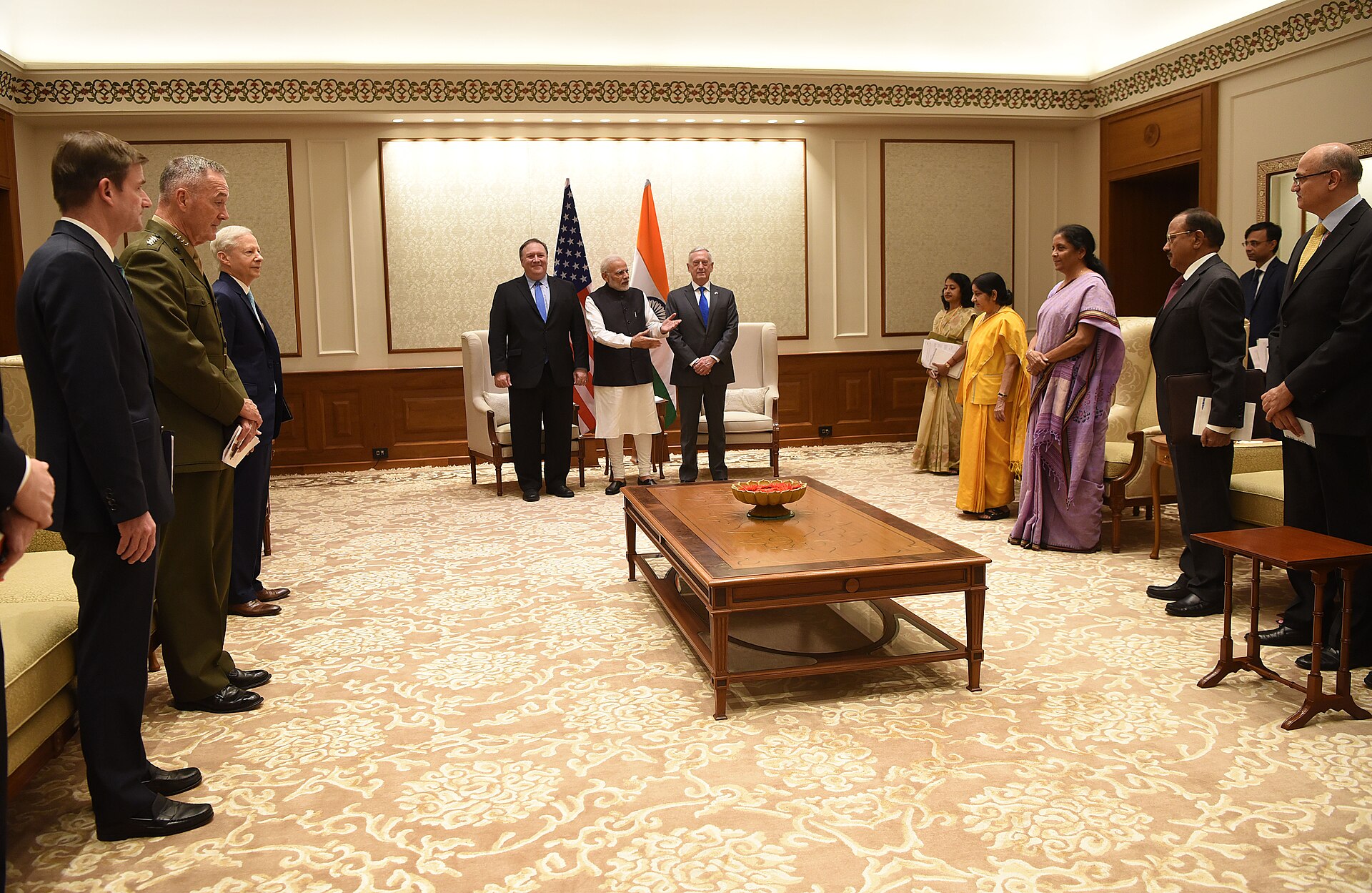
In an unprecedented move, US Secretary of State Marco Rubio and Indian Foreign Minister S. Jaishankar have engaged in high-level talks to address the potential fallout. India’s concerns are clear: the sanctions could severely disrupt its economic ties with the US, as the country is one of the largest buyers of Russian oil.
The core issue is a clash of priorities. While the US aims to financially strangle Russia over its actions in Ukraine, India insists its oil purchases are driven by national interests, not geopolitical allegiances. This has led to a diplomatic tightrope walk, as Washington attempts to punish Russia without alienating key partners like India.
As the clock ticks on the 30-day window for tariff imposition, all eyes are on how the US and India will navigate this complex situation. The stakes are high, and the outcome could redefine the dynamics of US-India relations in the context of global energy politics.
According to the Reuters report, the law requires Trump to impose tariffs of up to 100% within 30 days on all goods imported into the United States from the five largest importers of Russian crude oil or gas, and also targets any country that knowingly makes new purchases 30 days after enactment or ranks among the top five countries helping Russia evade sanctions. tariffs of up to 100% on major buyers of Russian oil and gas.
The key revelation is not just that the law exists, but that New Delhi has now escalated its objections directly at cabinet level after Trump signed it last week, turning what had been a congressional threat into an active diplomatic dispute between two strategic partners. The State Department’s phrasing was unusually direct for a diplomacy readout: Rubio and Jaishankar “discussed sanctions that could be leveled against states that engage economically with Russia and Iran,” underscoring that the threat was not merely theoretical.
AP reported that Trump signed the sweeping sanctions package on Friday, September 18, with the stated aim of choking off funds for Moscow’s war machine. Jaishankar, according to Reuters and follow-up Indian reporting, conveyed India’s “concerns” and broader “interests” over the legislation in what Indian Express described as the first official Delhi-Washington discussion after Trump’s signature.
On September 18, Trump signed the sanctions bill into law. Reuters said Indian analysts argue that buying discounted Russian oil has not been financing the war in a decisive way but has instead helped stabilize global supply and keep domestic energy costs in check.
The most important new development is that Secretary of State Marco Rubio and Indian Foreign Minister S. measures that could be used against countries “that engage economically with Russia and Iran,” with the State Department saying after their New York meeting that the two men specifically discussed possible sanctions on states maintaining such ties.
This legislation, which threatens tariffs up to 100% on major importers of Russian oil, has thrust India into the spotlight due to its extensive energy trade with Moscow. Trump signed the sanctions bill on September 18 — the law aims to cut funds to Russia’s war efforts but complicates US alliances.
tariffs of up to 100% on major buyers of Russian oil and gas. The State Department’s phrasing was unusually direct for a diplomacy readout: Rubio and Jaishankar “discussed sanctions that could be leveled against states that engage economically with Russia and Iran,” underscoring that the threat was not merely theoretical.
Jaishankar, according to Reuters and follow-up Indian reporting, conveyed India’s “concerns” and broader “interests” over the legislation in what Indian Express described as the first official Delhi-Washington discussion after Trump’s signature. On September 18, Trump signed the sanctions bill into law.
US-India talks highlight the risk to bilateral ties — Jaishankar expressed India’s concerns over the new legislation. The State Department’s unusual directness signals seriousness — Rubio and Jaishankar’s meeting underscores the diplomatic stakes.
The scale and speed of this development has caught many observers off guard. Each new update adds another dimension to a story that is still unfolding, and the full picture will only become clear as more verified details emerge from the people and institutions directly involved.
Analysts who have tracked this issue closely say the current moment represents a genuine turning point. The decisions made in the coming weeks are expected to set the direction for months ahead, with ripple effects likely to extend well beyond the immediate actors in the story.
For those directly affected, the practical impact is already visible. People navigating this fast-changing situation are dealing with real consequences while new information continues to reshape what is known and what remains open to interpretation.
Historical parallels offer some context, though experts caution against drawing too close a comparison. Similar situations have played out before, but the specific combination of pressures, personalities, and timing here makes this moment distinct in ways that matter for how it ultimately resolves.
The political and economic dimensions of this story are deeply intertwined. What appears as a single event on the surface is in practice the convergence of multiple pressures that have been building quietly over a longer period than most public reporting has captured.