

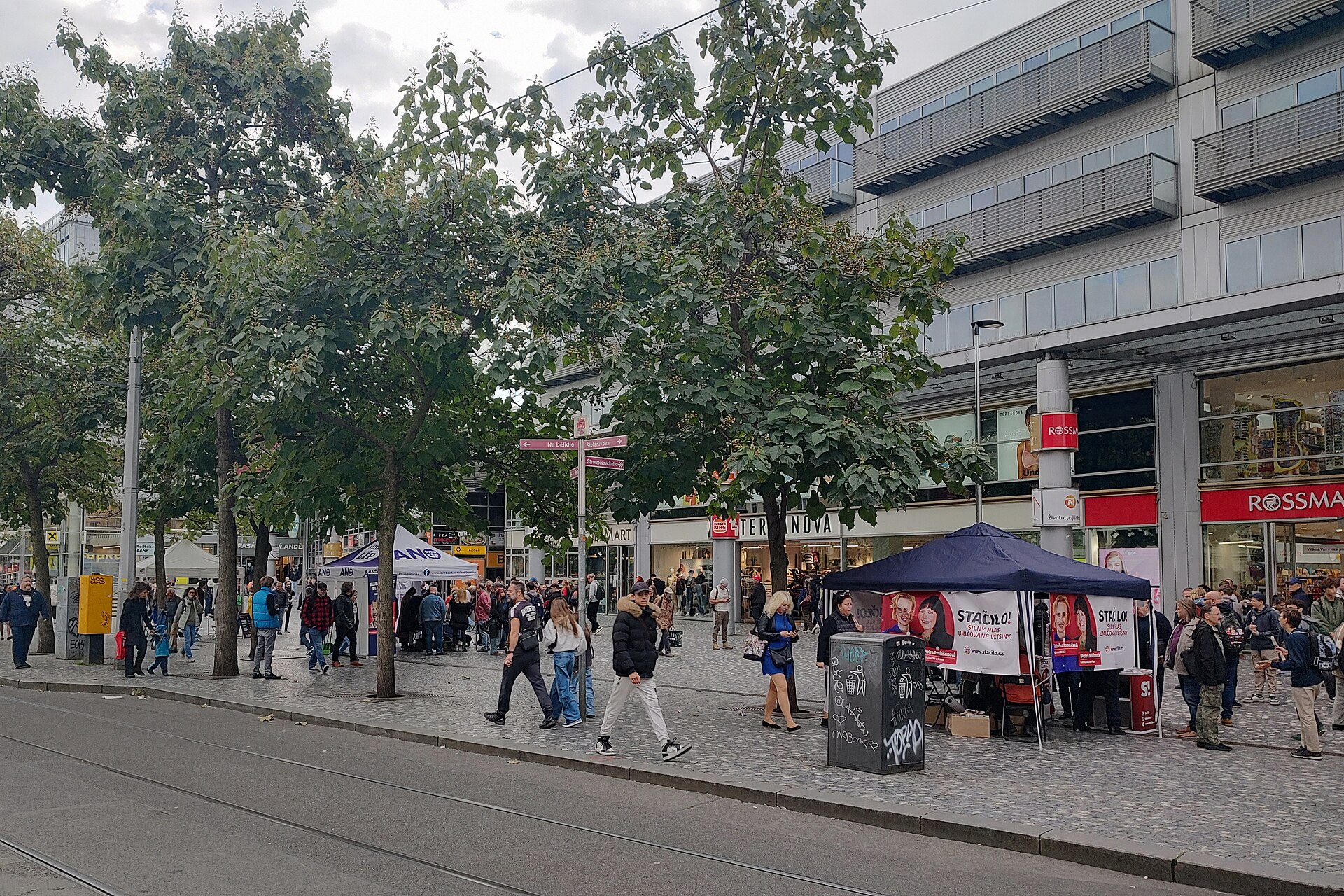

Quick Summary: Karel Havlíček Confirms Anos Solo Run in 24 Senate Races
- ANO will field its own candidates in all 24 districts this autumn, clashing with SPD in 15 districts.
- Of the 27 Senate seats up for election, opposition parties hold 23, while ANO defends only one.
- Karel Havlíček announced ANO’s independent run, with SPD fielding 17 candidates.
- ANO’s best chances lie in regions with strong local networks, like Moravian-Silesian.
- ANO’s candidate strategy leans on local executives and professionals, not just national figures.
Source: Open external resource
Source: Read original article
In a bold move, ANO has decided to abandon joint Senate slates with its government allies, opting instead to field its own candidates across 24 districts this autumn. This sets up direct clashes with its coalition partner, SPD, in 15 of these districts. The decision marks a significant shift from Prime Minister Andrej Babiš’s earlier strategy of presenting a united front with SPD and the Motorists.
First deputy chairman Karel Havlíček confirmed that ANO will run independently, while SPD will field 17 candidates. This strategic shift is seen as both a necessity and a principled stand. Havlíček stated, “We considered all the options and never categorically said we would run together. Going it alone is the most honest path.”
ANO’s gamble is striking because of the numbers: opposition parties hold 23 of the 27 Senate seats up for election, leaving ANO defending just one. Political scientist Petr Just believes ANO has little to lose and could enlarge its Senate presence, though control of the chamber remains unlikely.
ANO’s best opportunities lie in regions where it already has strong local power networks, such as the Moravian-Silesian Region. The party is banking on recognizable local authority and professional credibility, fielding candidates like Orlová mayor Lenka Bříškovská and pediatric oncologist Jaroslav Štěrba.
This move comes despite the Senate traditionally acting as a counterbalance to lower house dominance. Analysts suggest ANO could make gains due to its low starting point and the opposition’s defensive position. The upcoming elections will test whether ANO’s solo candidacy strategy can translate into the seven-seat gain analysts deem a true breakthrough.
The latest candidate data also underscore how concentrated the battle is this year: 154 candidates are running in the 2026 Senate elections, which is 81 fewer than when the same third of seats was contested six years ago, a sign of a tighter and more selective field. Candidate rosters for the 2026 Senate elections were being consolidated in late August, and by September 2 and September 3 Czech outlets were reporting more explicitly on how ANO’s internal debate had ended: the joint-ticket idea was dead, district-by-district battles with SPD were set, and analysts were beginning to identify where ANO might actually break through.
ANO’s biggest tactical shift is now official: Prime Minister Andrej Babiš’s movement will not run joint Senate slates with its government allies after all, and will instead field its own candidates in all 24 districts voting this autumn, setting up direct clashes with coalition partner SPD in 15 of them. Of the 27 Senate seats up for election, opposition parties currently hold 23, while ANO is defending just one seat, making the chamber one of the few major institutions still largely outside Babiš’s reach.
Political scientist Petr Just told the latest reporting that ANO “effectively has nothing to lose” and will almost certainly enlarge its Senate presence, though he does not expect the movement to seize control of the chamber. First deputy chairman Karel Havlíček announced that ANO will run independently in 24 constituencies, while Tomio Okamura’s SPD will field 17 candidates and the Motorists will not nominate their own candidates at all, choosing instead to back coalition partners.
Just said ANO’s best chances are in places where it already has strong local power networks through governors, mayors and deputy mayors, especially the Moravian-Silesian Region under ANO governor Josef Bělica, as well as border regions and traditionally left-leaning urban areas such as Karviná and Ostrava. The most important new development in the latest reporting is that ANO has abandoned Babiš’s earlier push for a common governing-front strategy in the Senate elections and is now openly betting that it can do better alone.
Havlíček framed the reversal as both strategic and principled, saying, “We considered all the options and never categorically said we would run together. ” The central conflict is not between government and opposition alone, but inside the governing camp itself.
Of the 27 Senate seats up for election, opposition parties hold 23, while ANO defends only one. Karel Havlíček announced ANO’s independent run, with SPD fielding 17 candidates.
In a bold move, ANO has decided to abandon joint Senate slates with its government allies, opting instead to field its own candidates across 24 districts this autumn. First deputy chairman Karel Havlíček confirmed that ANO will run independently, while SPD will field 17 candidates.
” ANO’s gamble is striking because of the numbers: opposition parties hold 23 of the 27 Senate seats up for election, leaving ANO defending just one. Of the 27 Senate seats up for election, opposition parties currently hold 23, while ANO is defending just one seat, making the chamber one of the few major institutions still largely outside Babiš’s reach.
First deputy chairman Karel Havlíček announced that ANO will run independently in 24 constituencies, while Tomio Okamura’s SPD will field 17 candidates and the Motorists will not nominate their own candidates at all, choosing instead to back coalition partners. Just said ANO’s best chances are in places where it already has strong local power networks through governors, mayors and deputy mayors, especially the Moravian-Silesian Region under ANO governor Josef Bělica, as well as border regions and traditionally left-leaning urban areas such as Karviná and Ostrava.
The scale and speed of this development has caught many observers off guard. Each new update adds another dimension to a story that is still unfolding, and the full picture will only become clear as more verified details emerge from the people and institutions directly involved.
Analysts who have tracked this issue closely say the current moment represents a genuine turning point. The decisions made in the coming weeks are expected to set the direction for months ahead, with ripple effects likely to extend well beyond the immediate actors in the story.
For those directly affected, the practical impact is already visible. People navigating this fast-changing situation are dealing with real consequences while new information continues to reshape what is known and what remains open to interpretation.
Historical parallels offer some context, though experts caution against drawing too close a comparison. Similar situations have played out before, but the specific combination of pressures, personalities, and timing here makes this moment distinct in ways that matter for how it ultimately resolves.
The political and economic dimensions of this story are deeply intertwined. What appears as a single event on the surface is in practice the convergence of multiple pressures that have been building quietly over a longer period than most public reporting has captured.