

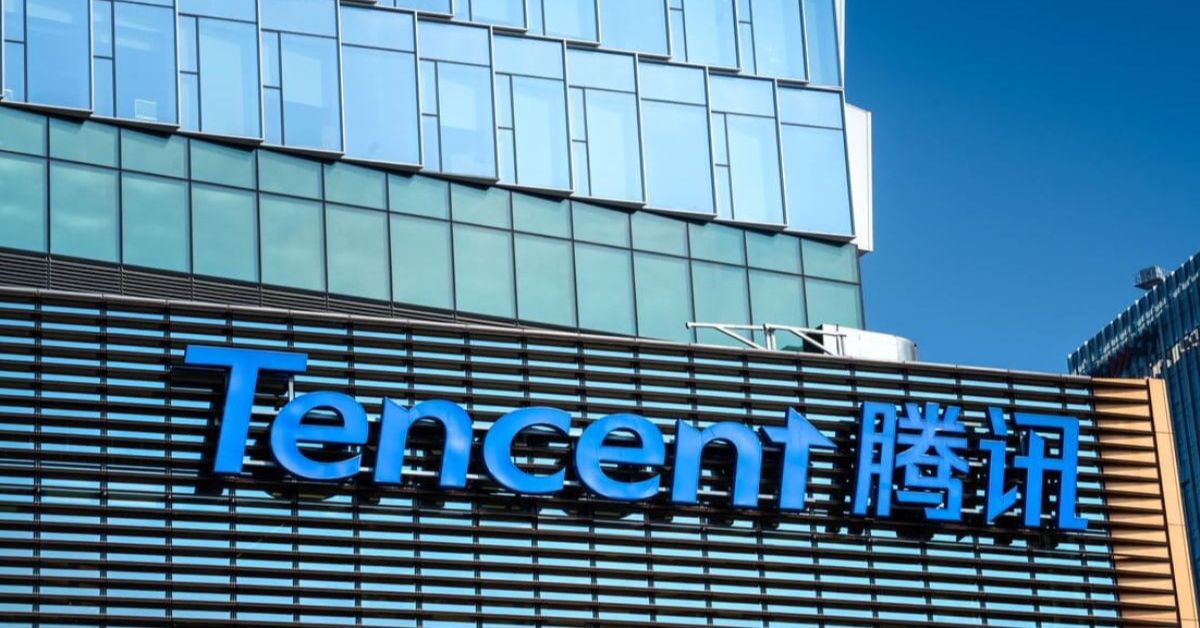

Quick Summary: Regulatory Conditions Loom Over Tencent Musics $1.26 Billion Ximalaya Acquisition
- Tencent Music spent $400 million repurchasing 43.5 million ADSs, signaling financial discipline.
- The company reported a 41% operating margin in 2025, indicating strong profitability.
- Tencent Music’s cash reserves rose to $6.52 billion by June 30, 2026, despite the buyback.
- The Ximalaya acquisition involved $1.26 billion in cash and 175 million shares, adding complexity.
- Regulators imposed conditions on the Ximalaya deal to prevent anti-competitive practices.
Source: Open external resource
Source: Read original article
Tencent Music is making headlines not for its growth hype but for its strategic capital allocation. The company has committed $400 million to buy back 43.5 million American Depositary Shares (ADSs) at an average price of $9.2. This move is framed as a demonstration of financial discipline, even as investors debate the company’s true growth story versus acquisition-driven optics.
The latest analysis by The Motley Fool highlights Tencent Music’s ability to convert modest revenue growth into significant profitability, with a 41% operating margin reported for 2025. Despite the buyback, the company’s cash reserves increased to $6.52 billion by mid-2026, showcasing robust financial health. This buyback is not just a shareholder perk; it is a statement that management believes the stock is undervalued while maintaining balance-sheet strength.
However, the central debate remains whether Tencent Music is evolving into a more cash-generative platform or if it is using buybacks to mask the complexity of its recent Ximalaya acquisition. The deal, completed in May 2026, involved $1.26 billion in cash and 175 million Class A shares, adding layers of complexity and potential dilution risk. Regulatory conditions imposed on the acquisition aim to prevent anti-competitive practices, adding another layer of scrutiny to the company’s future moves.
As Tencent Music navigates these challenges, the market is watching closely. The company is on track to complete a $1 billion repurchase program by March 2025, and the integration of Ximalaya will be closely monitored for its impact on growth and compliance with regulatory conditions. The next few quarters will be crucial in determining whether Tencent Music’s financial discipline is a temporary measure or a sustainable strategy.
2, and the latest reporting frames that as a deliberate show of financial discipline at the same moment investors are still debating how much of its 2026 story is real operating momentum versus acquisition-driven optics. 5 million ADSs bought in the open market during the quarter, a pace that makes the repurchase program one of the most concrete shareholder-return moves among major China internet names this year.
26 billion in cash plus as many as 175,288,891 Class A ordinary shares. 6% of voting power through the dual-class structure, effectively capping the influence of minority shareholders even as the company returns cash to them.
In other words, the next decision point is not whether Tencent Music can buy back stock; it is whether that US$400 million was the opening proof of durable discipline or a temporary cushion around a much harder integration story. 00 billion three months earlier, even after the repurchase.
China’s State Administration for Market Regulation gave only conditional approval to the Ximalaya acquisition in May, saying the transaction could otherwise risk “excluding or restricting competition” in online audio playback and online music streaming. Tencent Music says it is on track to complete the March 2025 US$1 billion repurchase program within its 24-month window, meaning the pace of future buybacks will be scrutinized alongside the first full periods showing Ximalaya integration.
Analysts are also watching whether the second half of 2026 brings stronger SVIP membership growth, clearer monetization from concerts and IP-related services, and evidence that the company can absorb the acquisition without tripping over SAMR’s conditions. The central debate, though, is whether investors are looking at a cleaner, more cash-generative music platform or a company using buybacks to offset the complexity and dilution risk created by its newly completed Ximalaya deal.
The company reported a 41% operating margin in 2025, indicating strong profitability. The latest analysis by The Motley Fool highlights Tencent Music’s ability to convert modest revenue growth into significant profitability, with a 41% operating margin reported for 2025.
The company is on track to complete a $1 billion repurchase program by March 2025, and the integration of Ximalaya will be closely monitored for its impact on growth and compliance with regulatory conditions. 2, and the latest reporting frames that as a deliberate show of financial discipline at the same moment investors are still debating how much of its 2026 story is real operating momentum versus acquisition-driven optics.
52 billion by June 30, 2026, despite the buyback. 26 billion in cash and 175 million shares, adding complexity.
The scale and speed of this development has caught many observers off guard. Each new update adds another dimension to a story that is still unfolding, and the full picture will only become clear as more verified details emerge from the people and institutions directly involved.
Analysts who have tracked this issue closely say the current moment represents a genuine turning point. The decisions made in the coming weeks are expected to set the direction for months ahead, with ripple effects likely to extend well beyond the immediate actors in the story.
For those directly affected, the practical impact is already visible. People navigating this fast-changing situation are dealing with real consequences while new information continues to reshape what is known and what remains open to interpretation.
Historical parallels offer some context, though experts caution against drawing too close a comparison. Similar situations have played out before, but the specific combination of pressures, personalities, and timing here makes this moment distinct in ways that matter for how it ultimately resolves.
The political and economic dimensions of this story are deeply intertwined. What appears as a single event on the surface is in practice the convergence of multiple pressures that have been building quietly over a longer period than most public reporting has captured.