

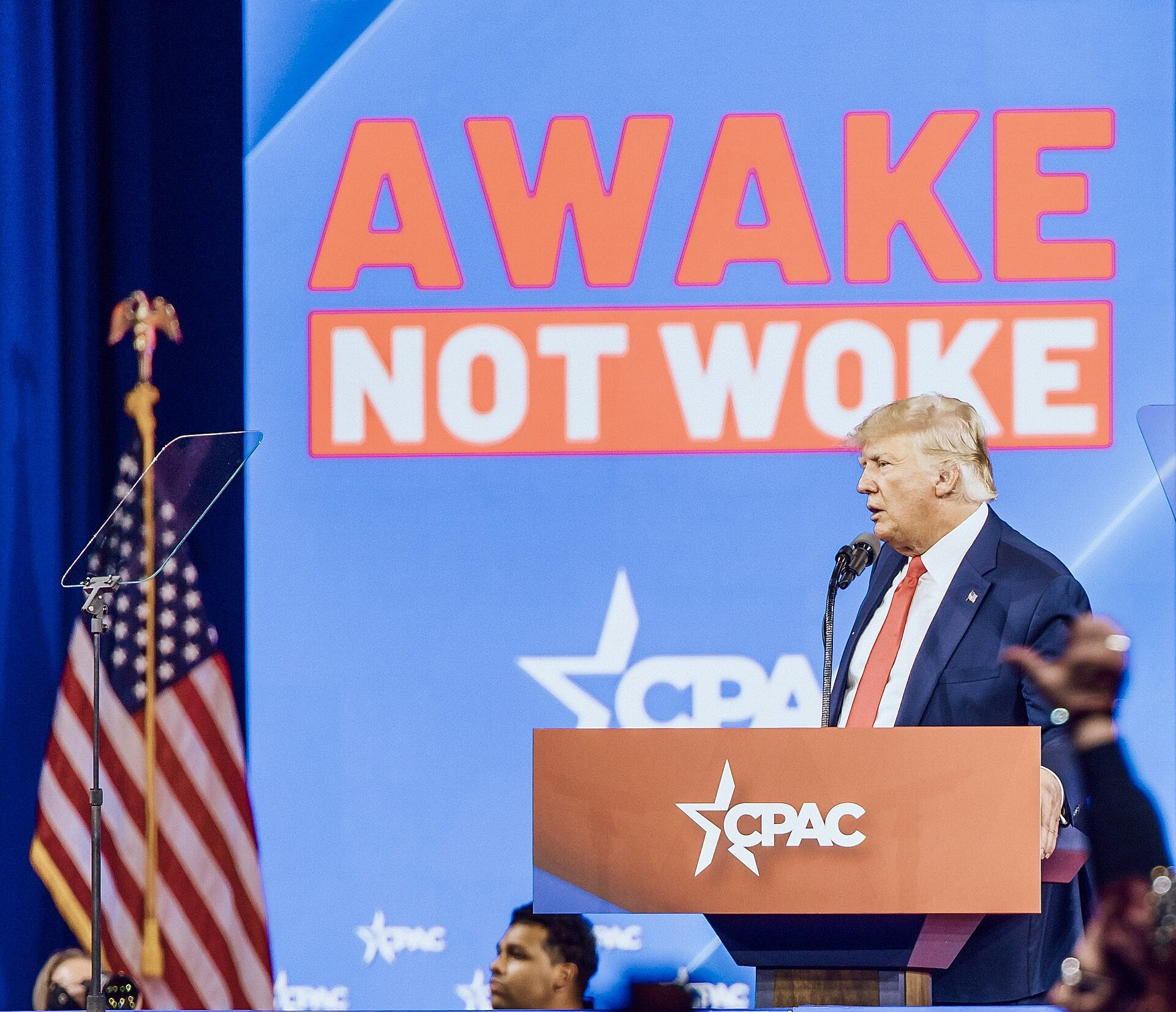

Quick Summary: Gavin Newsom Criticizes Trumps $5,000 Promise as Blood Money
- Trump’s $5,000 ‘dividend’ pledge faces legal hurdles — Congress controls federal spending, not the president.
- Gavin Newsom criticized the promise as ‘taxpayer-funded blood money’ — suggesting it’s a political ploy.
- Trump’s previous $2,000 ‘tariff dividend’ remains unfulfilled — casting doubt on the new promise’s feasibility.
- Dan Goldman labeled the promise ‘corrupt and blatantly illegal’ — highlighting legal and ethical concerns.
- Congress and economists are skeptical — the proposal is seen as unlikely to become law.
Source: Open external resource
Source: Read original article
Donald Trump’s recent pledge to deliver a $5,000 ‘dividend’ to every American adult is hitting a wall of skepticism and legal reality. The fundamental issue is that Congress, not the president, holds the purse strings of federal spending. Even some Republicans are dismissing the promise as unserious. Trumps is at the center of this development.
Critics, like Gavin Newsom, have been quick to denounce the proposal as a political maneuver, calling it ‘taxpayer-funded blood money.’ This sentiment is echoed by others who point out that Trump’s previous promises, such as a $2,000 ‘tariff dividend,’ have yet to materialize, casting further doubt on the feasibility of this new pledge.
Dan Goldman has gone so far as to describe the promise as ‘corrupt and blatantly illegal,’ emphasizing the legal and ethical concerns surrounding the proposal. The broader reaction from Congress has been one of scorn, with many lawmakers viewing it as another oversized election-year promise.
Despite Trump’s public defense of the idea, the skepticism from Congress and economists is palpable. The proposal is widely seen as a campaign message rather than a realistic policy, particularly given the staggering $1.3 trillion price tag and the lack of a clear funding path.
The latest reporting’s clearest takeaway is that Trump’s new $5,000 “dividend” pledge is colliding immediately with a basic legal and political reality: Congress, not the president alone, controls federal spending, and even some Republicans are treating the promise as unserious. Gavin Newsom said, “After making you sicker and poorer with his war, Donald Trump now wants to buy your vote with $5,000 in taxpayer-funded blood money,” according to The Guardian.
AP reported that members of Congress from both parties reacted by stressing that lawmakers have the constitutional power of the purse, not the president. The Guardian noted that even using tariff revenue as a funding source, at roughly $21 billion per month in collections, it would take nearly five years to finance the checks if every dollar went to the program.
ABC added that Trump had already floated a smaller $2,000 “tariff dividend” that still has not materialized 10 months later, reinforcing the argument that this latest promise lacks a plausible funding path. Dan Goldman said Trump “can make that promise” only in the political sense, calling it “corrupt and blatantly illegal” in Post reporting, while AP described broader congressional reaction as “scorn” and said the idea was already being dismissed as another oversized election-year promise.
By September 11, AP was reporting that Congress and economists were openly skeptical, and Trump was publicly defending the idea on Fox while hinting he could act without lawmakers. The most important new wrinkle is that the administration itself appears unable to explain who would qualify or how the money would be authorized.
” CBS and AP both emphasized that the proposal was tied explicitly to Republicans holding both the House and Senate after the November midterms, turning what sounded like policy into a blunt electoral offer. Forbes called this the fourth major Trump check promise that has either been blocked by fiscal math, legal barriers, or congressional inaction.
Gavin Newsom said, “After making you sicker and poorer with his war, Donald Trump now wants to buy your vote with $5,000 in taxpayer-funded blood money,” according to The Guardian. Trump’s previous $2,000 ‘tariff dividend’ remains unfulfilled — casting doubt on the new promise’s feasibility.
Donald Trump’s recent pledge to deliver a $5,000 ‘dividend’ to every American adult is hitting a wall of skepticism and legal reality. ABC added that Trump had already floated a smaller $2,000 “tariff dividend” that still has not materialized 10 months later, reinforcing the argument that this latest promise lacks a plausible funding path.
The fundamental issue is that Congress, not the president, holds the purse strings of federal spending. Dan Goldman said Trump “can make that promise” only in the political sense, calling it “corrupt and blatantly illegal” in Post reporting, while AP described broader congressional reaction as “scorn” and said the idea was already being dismissed as another oversized election-year promise.
By September 11, AP was reporting that Congress and economists were openly skeptical, and Trump was publicly defending the idea on Fox while hinting he could act without lawmakers. Dan Goldman labeled the promise ‘corrupt and blatantly illegal’ — highlighting legal and ethical concerns.
The scale and speed of this development has caught many observers off guard. Each new update adds another dimension to a story that is still unfolding, and the full picture will only become clear as more verified details emerge from the people and institutions directly involved.
Analysts who have tracked this issue closely say the current moment represents a genuine turning point. The decisions made in the coming weeks are expected to set the direction for months ahead, with ripple effects likely to extend well beyond the immediate actors in the story.
For those directly affected, the practical impact is already visible. People navigating this fast-changing situation are dealing with real consequences while new information continues to reshape what is known and what remains open to interpretation.
Historical parallels offer some context, though experts caution against drawing too close a comparison. Similar situations have played out before, but the specific combination of pressures, personalities, and timing here makes this moment distinct in ways that matter for how it ultimately resolves.
The political and economic dimensions of this story are deeply intertwined. What appears as a single event on the surface is in practice the convergence of multiple pressures that have been building quietly over a longer period than most public reporting has captured.