


Quick Summary: Mayor Mamdani Backs Controversial Ban on Horse
- The New York City Council is set to vote on a bill banning horse-drawn carriages in Central Park by June 2028, impacting drivers’ livelihoods.
- The proposed ban, called “Romanch’s Law,” follows the tragic death of a tourist and has reignited animal-welfare debates.
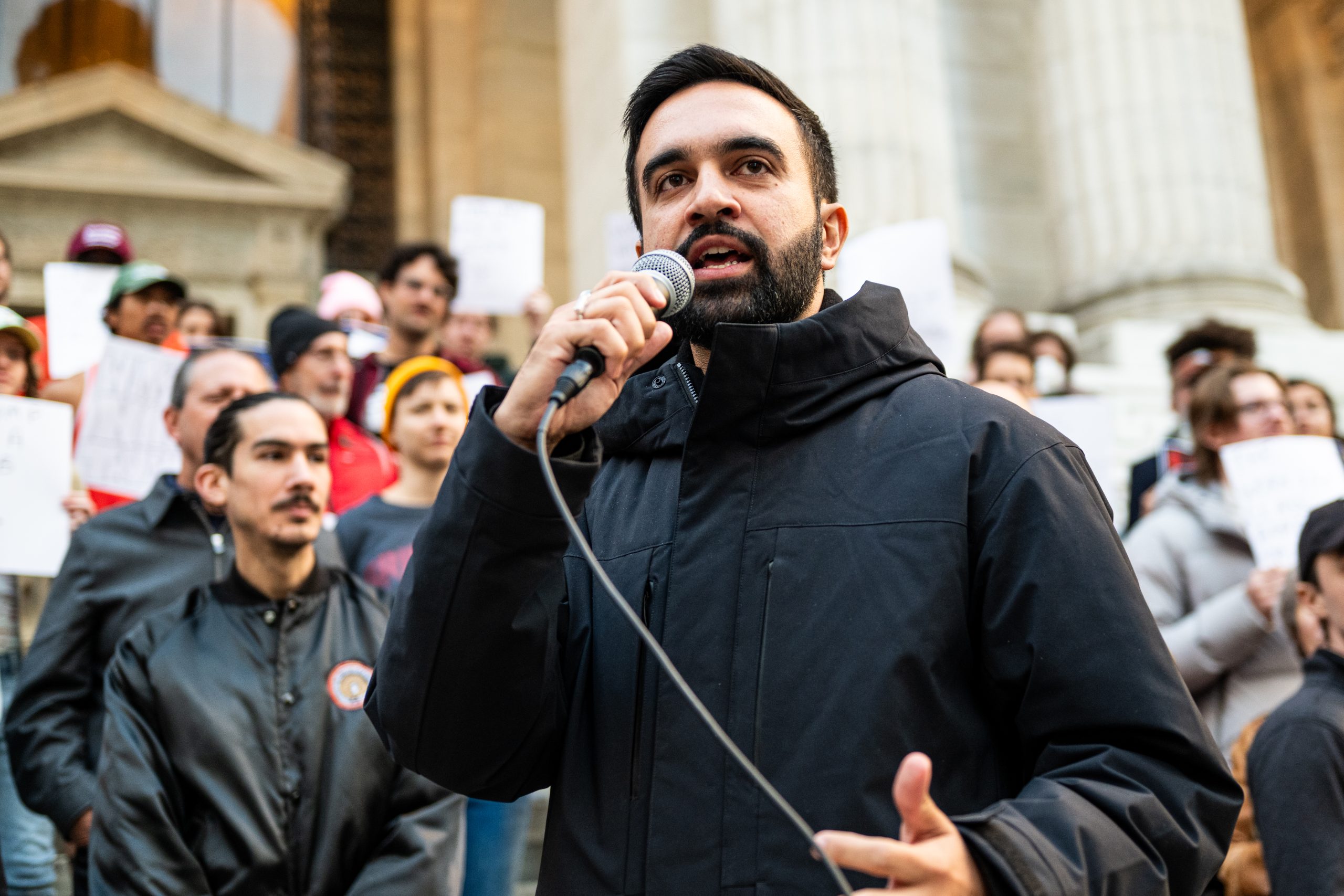
- Mayor Zohran Mamdani and Speaker Julie Menin support the ban, marking a significant political shift from past failed attempts.
- Carriage drivers and unions argue the ban exploits tragedy and offers insufficient economic relief for affected workers.
- The Central Park Conservancy backs the ban, citing public safety concerns, while opponents demand stricter enforcement over prohibition.
Source: Open external resource
Source: Read original article
The New York City Council stands at the crossroads of a contentious decision that could forever change the landscape of Central Park. Today, October 22, 2026, the Council is expected to vote on a bill that would phase out horse-drawn carriages by June 2028, a move poised to dismantle a historic industry and disrupt the livelihoods of many. Ban is at the center of this development.
This looming ban, known as “Romanch’s Law,” was catalyzed by the tragic death of 18-year-old Romanch Mahajan, which reignited long-standing animal-welfare debates. The legislation has gained unexpected momentum with the backing of Mayor Zohran Mamdani and Council Speaker Julie Menin, signaling a stark departure from previous failed attempts to end the carriage rides.
The political landscape has shifted dramatically. Past efforts crumbled under union pressure and public backlash, but the current alignment suggests a clearer path forward. However, the controversy surrounding the bill is far from settled. Carriage drivers and unions are vocally opposing the legislation, accusing City Hall of exploiting a tragedy to dismantle a legal industry without adequate compensation or alternative employment solutions.
The Central Park Conservancy, a key player in maintaining the park, has thrown its support behind the ban, citing public safety concerns. They argue that the Mahajan incident, along with other safety risks, makes the status quo untenable. Yet, opponents claim these incidents are being selectively highlighted to justify the ban, advocating instead for stricter enforcement of existing regulations.
As the Council prepares to cast its vote, the fate of the carriage industry hangs in the balance. The outcome will not only determine the future of horse-drawn carriages in Central Park but also set a precedent for how New York City addresses similar issues of public safety, animal welfare, and economic impact.
The biggest new development is that the New York City Council is expected to vote today, Thursday, October 22, 2026, on a bill that would ban horse-drawn carriage rides in Central Park by June 2028, turning a decades-old animal-welfare fight into an immediate political and economic showdown over jobs. The legislation now headed for a full Council vote is being called “Romanch’s Law,” and Council Speaker Julie Menin announced on October 14 that the bill would come up on October 22 and would phase out the industry by June 1, 2028, while promising worker protections.
The key event is today’s full Council vote on October 22, 2026; if it passes as expected, the horse-drawn carriage business in Central Park would be set on a countdown to end by June 1, 2028. The current push was reignited by the June 17 death of 18-year-old tourist Romanch Mahajan, who was thrown from a carriage after a horse bolted when the driver stepped away to take a photo of Mahajan’s family.
” What makes this week’s reporting especially notable is the political alignment behind the ban. ” That is a major shift from past failed efforts, including Bill de Blasio’s abandoned push to end the rides, and suggests the ban now has a far clearer path than earlier attempts that collapsed under union pressure and public backlash.
At those protests, opponents compared their position to taxi medallion owners crushed by policy and market shifts, arguing that they built family businesses around city-issued licenses and now face being legislated out of existence. The Central Park Conservancy, whose staff maintains the park, has strongly backed ending carriage rides and thanked Menin for “decisive action,” while saying the mayor’s support helped move the issue forward.
Menin’s office has publicly scheduled the vote for today, October 22, and the bill’s framing around “just transition” appears designed to neutralize the very labor objections that killed previous bans. The next pressure points will be the details of any transition plan, whether compensation or job-placement measures are actually funded, and how the city handles the future of the horses, drivers, and carriage owners whose livelihoods depend on an industry that may now be living out its final 19 months.
The proposed ban, called “Romanch’s Law,” follows the tragic death of a tourist and has reignited animal-welfare debates. The Central Park Conservancy backs the ban, citing public safety concerns, while opponents demand stricter enforcement over prohibition.
The Central Park Conservancy, a key player in maintaining the park, has thrown its support behind the ban, citing public safety concerns. Yet, opponents claim these incidents are being selectively highlighted to justify the ban, advocating instead for stricter enforcement of existing regulations.
The scale and speed of this development has caught many observers off guard. Each new update adds another dimension to a story that is still unfolding, and the full picture will only become clear as more verified details emerge from the people and institutions directly involved.
Analysts who have tracked this issue closely say the current moment represents a genuine turning point. The decisions made in the coming weeks are expected to set the direction for months ahead, with ripple effects likely to extend well beyond the immediate actors in the story.
For those directly affected, the practical impact is already visible. People navigating this fast-changing situation are dealing with real consequences while new information continues to reshape what is known and what remains open to interpretation.
Historical parallels offer some context, though experts caution against drawing too close a comparison. Similar situations have played out before, but the specific combination of pressures, personalities, and timing here makes this moment distinct in ways that matter for how it ultimately resolves.
The political and economic dimensions of this story are deeply intertwined. What appears as a single event on the surface is in practice the convergence of multiple pressures that have been building quietly over a longer period than most public reporting has captured.