


Quick Summary: PTC Surges 33.5% Following Schneider Electrics Buyout Offer
- The S&P 500 closed just 0.3% below its all-time high on October 5, 2026, driven by buyout deals and AI enthusiasm.
- PTC surged 33.5% after Schneider Electric’s buyout offer, while RXO jumped 22.5% on C.H. Robinson’s acquisition news.
- Traders cut the implied chance of a Fed rate hike to less than 23%, down from 64% a week earlier.
- Nasdaq set another record high, with Nvidia and Broadcom leading gains due to AI-driven optimism.
- Analysts expect 9% year-over-year earnings growth for the median S&P 500 stock this quarter.
Source: Open external resource
Source: Read original article
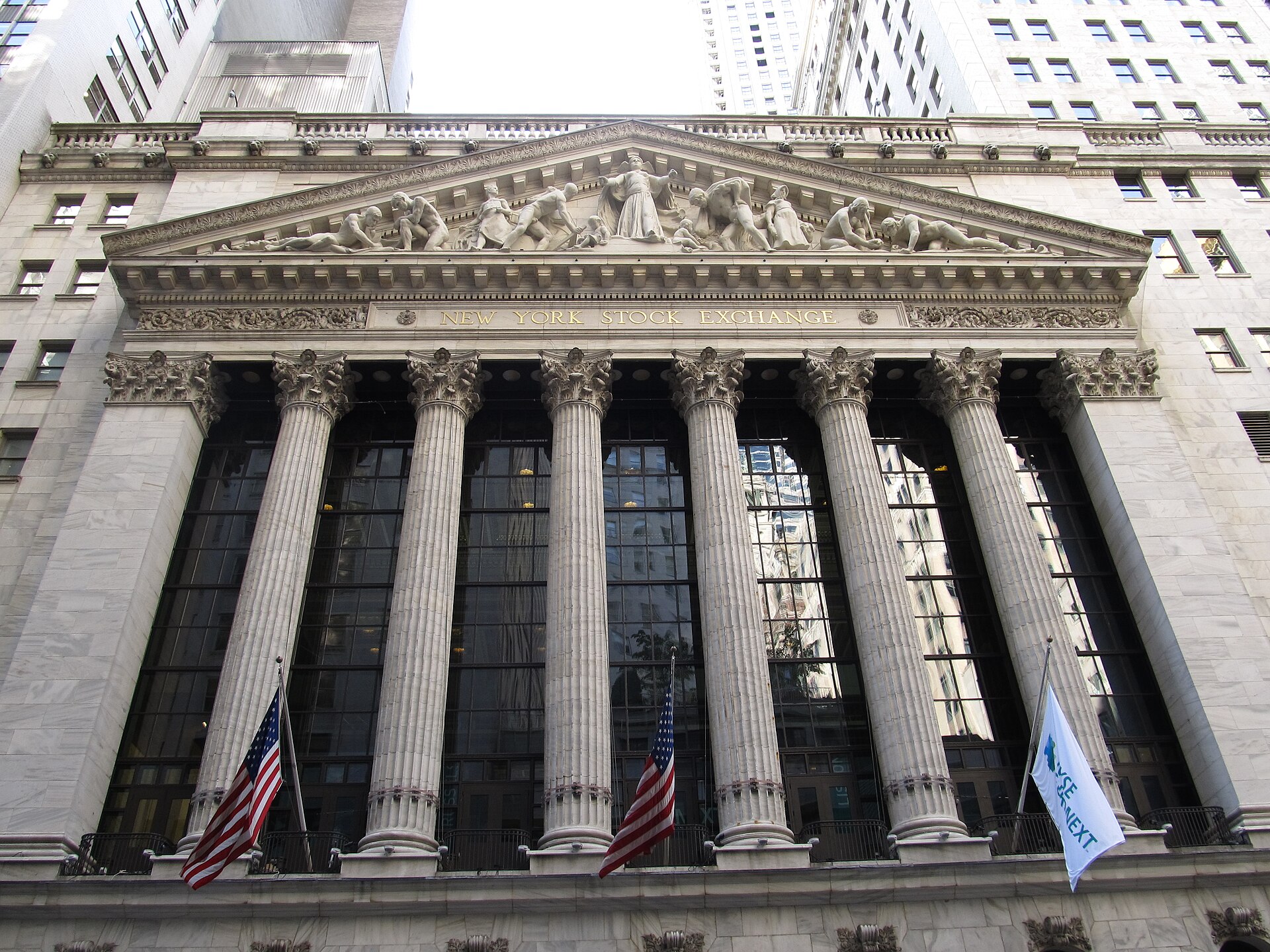
In a dramatic twist, US stocks are flirting with record highs, driven by a cocktail of corporate buyouts and a renewed obsession with artificial intelligence. The S&P 500, just a hair’s breadth from its all-time peak, is riding a wave of optimism that seems to defy the looming specters of high bond yields and volatile oil prices.
Fueling this surge are major buyout deals, with PTC and RXO seeing significant jumps in their stock prices following acquisition announcements. These moves have set the stage for a broader rally in tech and AI-linked stocks, with heavyweights like Nvidia and Broadcom pushing the Nasdaq to new heights.
Despite the buoyant mood, the market is not without its tensions. Traders have dramatically reduced their expectations for a Federal Reserve rate hike this month, although a December increase remains on the table. This shift is partly due to a softer-than-expected jobs report, which has altered rate expectations and given stocks a temporary reprieve.
Looking ahead, the market’s momentum will be tested by upcoming earnings reports and the Fed’s next policy decisions. Analysts are optimistic, forecasting robust earnings growth, but any uptick in oil prices or Treasury yields could quickly dampen the current exuberance.
As investors brace for the next wave of financial data, the stakes are high. The interplay between corporate earnings, AI investments, and macroeconomic signals will determine whether this rally has legs or if it’s just a fleeting moment of market euphoria.
3 percent below its all-time high on Monday, October 5, 2026, while the Nasdaq notched another record, as a pair of buyout deals and renewed artificial-intelligence enthusiasm overpowered still-dangerous bond yields and oil-price shocks. 35 percent, close to its highest level since 2002.
That report sharply changed rate expectations: traders cut the implied chance of a Federal Reserve hike at its next meeting to less than 23 percent, down from 64 percent a week earlier. By Monday, Reuters said traders saw an 80 percent chance the Fed would hold rates steady this month, though a December increase remained largely priced in.
AP said analysts are forecasting profit growth of nearly 30 percent year over year for S&P 500 companies for the July-through-September quarter, which would mark a third straight quarter above 25 percent growth. Reuters, citing Goldman Sachs analysts, said most companies are expected to “once again surpass consensus earnings estimates this quarter,” with 9 percent year-over-year earnings growth for the median S&P 500 stock.
3 percent, or incoming inflation data revives fears of another rate hike before year-end. What happens next is straightforward but high-stakes: investors are now waiting for the start of the latest earnings reporting season and for the Federal Reserve’s next policy decision later this month.
jobs update brought the S&P 500 within 1 percent of its record after payrolls showed a net gain of just 29,000 jobs, down from August’s 133,000 and below economists’ expectations. The surprise here is how much optimism markets are sustaining even as services-sector data on Monday showed growth slowing in September and price pressures for services businesses accelerating, which is exactly the kind of inflation signal that could complicate the Fed’s next move.
3% below its all-time high on October 5, 2026, driven by buyout deals and AI enthusiasm. Analysts expect 9% year-over-year earnings growth for the median S&P 500 stock this quarter.
Reuters, citing Goldman Sachs analysts, said most companies are expected to “once again surpass consensus earnings estimates this quarter,” with 9 percent year-over-year earnings growth for the median S&P 500 stock. 3 percent, or incoming inflation data revives fears of another rate hike before year-end.
What happens next is straightforward but high-stakes: investors are now waiting for the start of the latest earnings reporting season and for the Federal Reserve’s next policy decision later this month. The S&P 500, just a hair’s breadth from its all-time peak, is riding a wave of optimism that seems to defy the looming specters of high bond yields and volatile oil prices.
The scale and speed of this development has caught many observers off guard. Each new update adds another dimension to a story that is still unfolding, and the full picture will only become clear as more verified details emerge from the people and institutions directly involved.
Analysts who have tracked this issue closely say the current moment represents a genuine turning point. The decisions made in the coming weeks are expected to set the direction for months ahead, with ripple effects likely to extend well beyond the immediate actors in the story.
For those directly affected, the practical impact is already visible. People navigating this fast-changing situation are dealing with real consequences while new information continues to reshape what is known and what remains open to interpretation.
Historical parallels offer some context, though experts caution against drawing too close a comparison. Similar situations have played out before, but the specific combination of pressures, personalities, and timing here makes this moment distinct in ways that matter for how it ultimately resolves.
The political and economic dimensions of this story are deeply intertwined. What appears as a single event on the surface is in practice the convergence of multiple pressures that have been building quietly over a longer period than most public reporting has captured.