


Quick Summary: Central Banks New Capital Rules Under Fire for Economic Disparities
- The CBN imposed new capital minimums, aiming for a $1 trillion economy by 2030.
- Nigeria’s Banking Index saw a 10% rebound in July 2026.
- Business Post argues recapitalisation lacks broad-based lending impact.
- Only N177.44 billion of N47.10 trillion in credit reached small enterprises.
- Analysts see this as a turning point for Nigeria’s economic policy.
Source: Open external resource
Source: Read original article
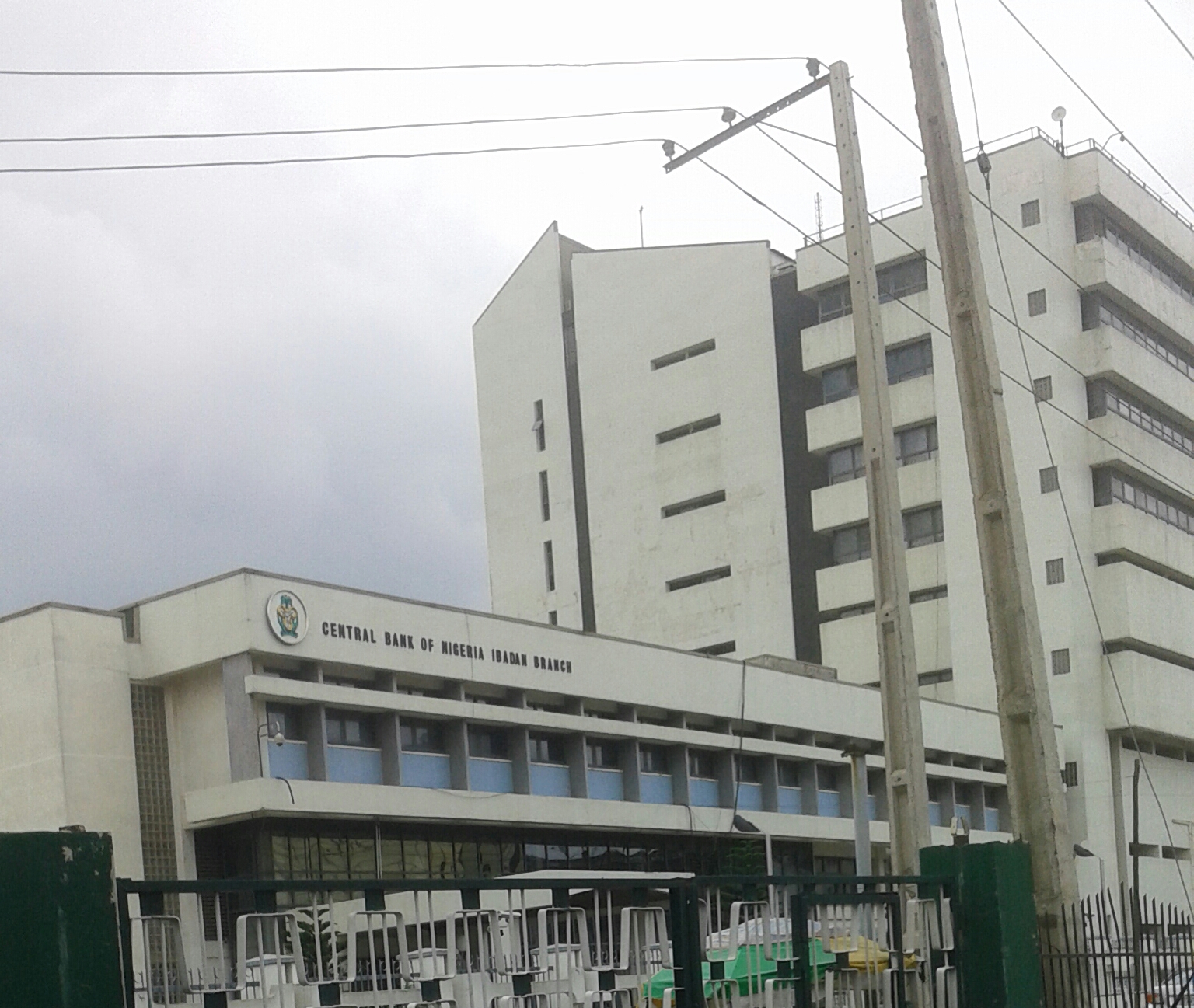
Nigeria’s ambitious recapitalisation of its banks, designed to bolster the financial sector’s strength, is now under scrutiny for failing to translate into real economic prosperity. While the Central Bank of Nigeria (CBN) under Governor Olayemi Cardoso has successfully raised N4.65 trillion in fresh equity, the critique emerging from Business Post Nigeria highlights a glaring disconnect between financial robustness and economic impact.
The recapitalisation initiative, aimed at achieving a $1 trillion economy by 2030, has seen 33 out of 37 banks surpass new capital thresholds. Despite this, the intended benefits for small firms and workers remain elusive. The article argues that while the banks’ balance sheets are stronger, the critical issue is whether this strength is financing productive investments, affordable credit, and employment growth. The numbers tell a concerning story: only N177.44 billion out of N47.10 trillion in private-sector credit reached small enterprises, the segment most crucial for job creation.
This disconnect challenges the narrative of success that has been celebrated in other media outlets. While some reports have highlighted strong investor demand and a robust rebound in the Nigerian Banking Index, the Business Post piece punctures this triumphalist mood by pointing out the lack of support for the ‘real economy.’ The debate is not just financial but political, as it touches on President Bola Tinubu’s growth agenda and the CBN’s policy rationale.
The article’s significance lies in its call for a policy shift to redirect lending towards productive sectors and smaller enterprises. Without this redirection, the recapitalisation may end up serving only shareholder interests while leaving broader economic prosperity untouched. The current moment represents a critical juncture for Nigeria’s economic policy, as analysts and policymakers must decide whether to address this credibility gap or risk leaving the prosperity promise unfulfilled.
The CBN, under Governor Olayemi Cardoso, imposed new paid-in capital minimums that earlier reporting described as N500 billion for international commercial banks and N200 billion for national banks, a move tied to Nigeria’s ambition to build a $1 trillion economy by 2030. 10 percent month-on-month rebound in the Nigerian Banking Index in July 2026.
Earlier Nigerian reporting linked recapitalisation to the country’s 2030 economic ambitions, but the Business Post argument implies that capital adequacy without broad-based lending could leave the policy looking incomplete. The article itself cites an October 2026 Development Bank of Nigeria research note and anchors its case in the post-recapitalisation landscape after the March 2026 milestone when 33 banks had met the updated requirements.
65 trillion in fresh equity and pushed 33 of 37 banks over the new capital threshold by the end of March 2026, yet the latest critique says almost none of that strength is reaching the small firms and workers the exercise was supposed to help. On October 26, 2026, Business Post published the new critique.
The main institutions in this story are the Central Bank of Nigeria, the Development Bank of Nigeria, and the 37-bank industry that underwent the capital raise. 45 percent from foreign investors, underscoring how heavily local capital markets carried the exercise.
” That is what makes the article stand out now: it is less a victory lap than a challenge to the official success narrative. The debate is also political because it goes directly to President Bola Tinubu’s growth agenda and the CBN’s case for the policy.
The recapitalisation initiative, aimed at achieving a $1 trillion economy by 2030, has seen 33 out of 37 banks surpass new capital thresholds. 10 percent month-on-month rebound in the Nigerian Banking Index in July 2026.
Earlier Nigerian reporting linked recapitalisation to the country’s 2030 economic ambitions, but the Business Post argument implies that capital adequacy without broad-based lending could leave the policy looking incomplete. Nigeria’s Banking Index saw a 10% rebound in July 2026.
65 trillion in fresh equity, the critique emerging from Business Post Nigeria highlights a glaring disconnect between financial robustness and economic impact. On October 26, 2026, Business Post published the new critique.
The current moment represents a critical juncture for Nigeria’s economic policy, as analysts and policymakers must decide whether to address this credibility gap or risk leaving the prosperity promise unfulfilled. 10 trillion in private-sector credit reached small enterprises, the segment most crucial for job creation.
The scale and speed of this development has caught many observers off guard. Each new update adds another dimension to a story that is still unfolding, and the full picture will only become clear as more verified details emerge from the people and institutions directly involved.
Analysts who have tracked this issue closely say the current moment represents a genuine turning point. The decisions made in the coming weeks are expected to set the direction for months ahead, with ripple effects likely to extend well beyond the immediate actors in the story.
For those directly affected, the practical impact is already visible. People navigating this fast-changing situation are dealing with real consequences while new information continues to reshape what is known and what remains open to interpretation.
Historical parallels offer some context, though experts caution against drawing too close a comparison. Similar situations have played out before, but the specific combination of pressures, personalities, and timing here makes this moment distinct in ways that matter for how it ultimately resolves.
The political and economic dimensions of this story are deeply intertwined. What appears as a single event on the surface is in practice the convergence of multiple pressures that have been building quietly over a longer period than most public reporting has captured.