

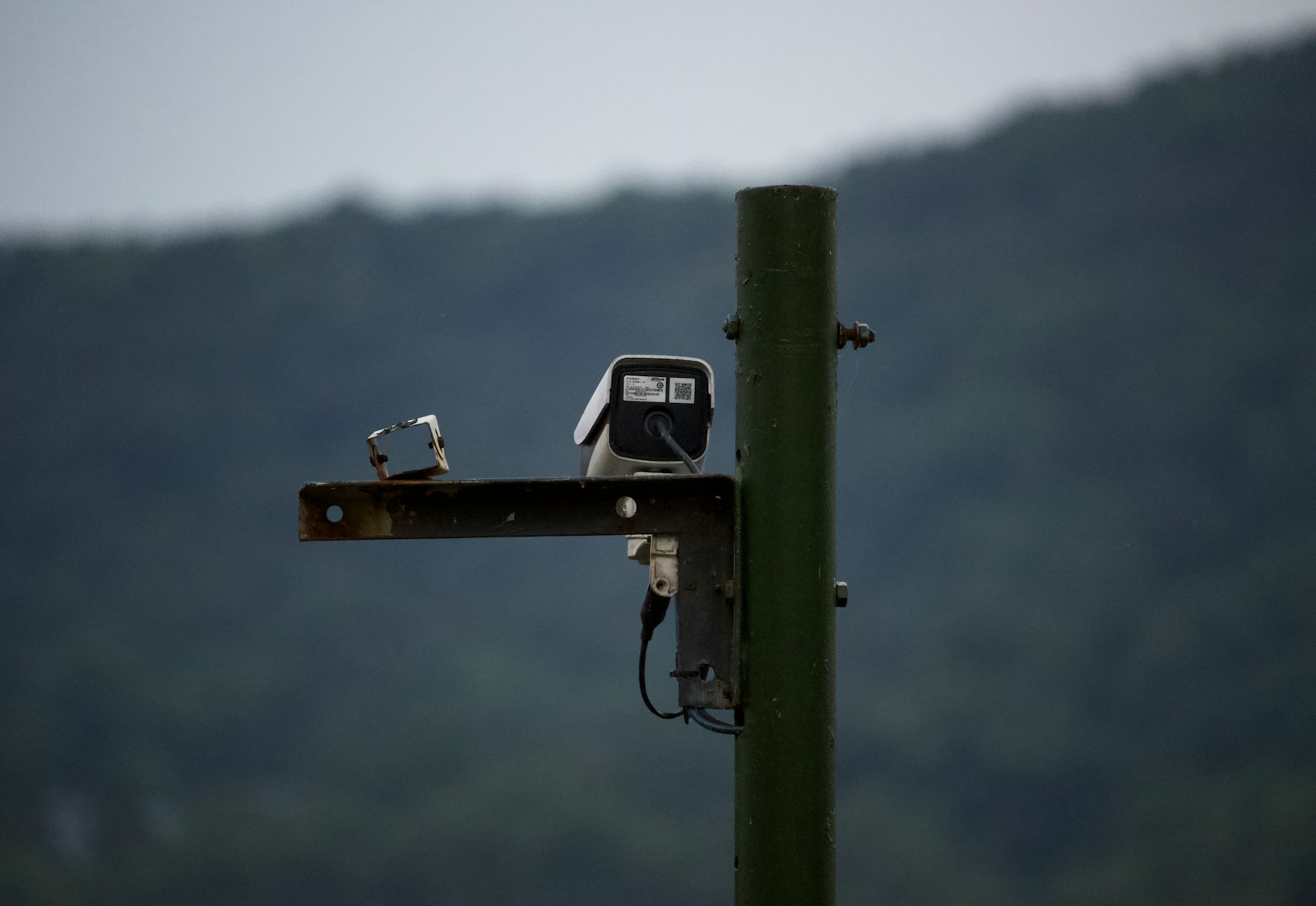

Quick Summary: Monongalia County Audit Unveils Extensive Flock Database Access
- Flock Safety’s director admitted to unauthorized access due to a bug, contradicting initial claims of no hacks.
- The county’s Flock contract, valued at $177,600, revealed 73 user accounts, with one former employee retaining access until recently.
- Lawmakers found Flock’s 10-page response to 19 follow-up questions inadequate, intensifying scrutiny.
- Monongalia County’s audit showed the Flock system’s wide accessibility, searchable by 980 law-enforcement organizations.
- West Virginia lawmakers are moving towards strict regulations on Flock’s surveillance technology.
Source: Open external resource
Source: Read original article
The debate over Flock Safety’s surveillance cameras is heating up in West Virginia. Lawmakers are no longer asking if regulations are needed, but how stringent they should be. This shift follows revelations that Flock’s cameras, contrary to earlier assurances, were accessed by unauthorized users due to a bug.
West Virginia’s scrutiny intensified after Flock’s response to a series of legislative questions was deemed insufficient. The county’s $177,600 contract and a subsequent audit revealed a sprawling network of user access, including a former employee who retained system access until recently. These findings raise significant concerns about privacy and data security.
Monongalia County’s audit highlighted the system’s reach, with 980 law-enforcement organizations having access. This widespread access has fueled fears of mission creep and lack of transparency, prompting lawmakers to consider new regulations. Even traditionally regulation-averse Republicans are signaling the need for oversight.
As West Virginia lawmakers prepare for potential statewide legislation, the focus is on ensuring transparency and accountability in Flock’s operations. The controversy underscores the need for clear guidelines on data access and retention, as the surveillance network continues to expand.
In testimony highlighted by WVVA on October 8, Flock government affairs director Kevin Kane told lawmakers, “Flock Safety has never been hacked,” but under questioning he then conceded that “due to a bug, for a very limited number of cameras, for a very brief period of time, yes,” unauthorized users did gain access to video footage. The county’s $177,600 contract covers an initial 36-month term, and the audit found 73 total user accounts, including 61 active, seven requiring training and five deactivated.
Auditors also discovered one former Sheriff’s Office employee who still had system access; that access was terminated immediately. According to West Virginia Public Broadcasting’s October 7 report, lawmakers sent Flock 19 follow-up questions and data requests after Kane’s August testimony, and Flock answered with a 10-page letter on September 1 that delegates still found inadequate.
” That defense appeared on October 9, the same day a state deadline arrived for Flock to satisfy lawmakers who are no longer debating whether rules are needed, but how strict those rules should be. Critics, however, see a system that can fan out widely beyond a single county, with automatic sharing configured for non-federal agencies within 50 miles and throughout West Virginia.
Even where audits reported “no policy violations,” the sheer breadth of the network, the discovery of lingering user access, and evidence that searches were being run for lower-level categories like traffic infractions and loitering-type issues intensify the backlash. The key short-term deadline is Friday, October 9, when Flock’s response to lawmakers is due; delegates have already warned they could compel further testimony if the company does not answer satisfactorily.
The big new development is that a pro-Flock opinion piece published by WV News on October 9 landed just as West Virginia lawmakers were escalating a live confrontation with Flock Safety, giving the company until Friday, October 9, to answer unresolved questions about security, data access and what delegates say may have been misleading testimony. ” Another fresh and highly specific development came out of Monongalia County on October 7, when WV News reported that a newly published contract and audit showed the county’s Flock database was searchable by 980 other law-enforcement organizations.
The county’s $177,600 contract and a subsequent audit revealed a sprawling network of user access, including a former employee who retained system access until recently. The county’s Flock contract, valued at $177,600, revealed 73 user accounts, with one former employee retaining access until recently.
The county’s $177,600 contract covers an initial 36-month term, and the audit found 73 total user accounts, including 61 active, seven requiring training and five deactivated. Auditors also discovered one former Sheriff’s Office employee who still had system access; that access was terminated immediately.
According to West Virginia Public Broadcasting’s October 7 report, lawmakers sent Flock 19 follow-up questions and data requests after Kane’s August testimony, and Flock answered with a 10-page letter on September 1 that delegates still found inadequate. Lawmakers found Flock’s 10-page response to 19 follow-up questions inadequate, intensifying scrutiny.
Monongalia County’s audit highlighted the system’s reach, with 980 law-enforcement organizations having access. ” That defense appeared on October 9, the same day a state deadline arrived for Flock to satisfy lawmakers who are no longer debating whether rules are needed, but how strict those rules should be.
The scale and speed of this development has caught many observers off guard. Each new update adds another dimension to a story that is still unfolding, and the full picture will only become clear as more verified details emerge from the people and institutions directly involved.
Analysts who have tracked this issue closely say the current moment represents a genuine turning point. The decisions made in the coming weeks are expected to set the direction for months ahead, with ripple effects likely to extend well beyond the immediate actors in the story.
For those directly affected, the practical impact is already visible. People navigating this fast-changing situation are dealing with real consequences while new information continues to reshape what is known and what remains open to interpretation.
Historical parallels offer some context, though experts caution against drawing too close a comparison. Similar situations have played out before, but the specific combination of pressures, personalities, and timing here makes this moment distinct in ways that matter for how it ultimately resolves.
The political and economic dimensions of this story are deeply intertwined. What appears as a single event on the surface is in practice the convergence of multiple pressures that have been building quietly over a longer period than most public reporting has captured.