


Quick Summary: Finance Minister Lescure Vows to Pass Budget Despite Protests
- Emmanuel Macron summoned Prime Minister Sébastien Lecornu to a crisis meeting — the government’s handling of protests drew backlash.
- Finance Minister Roland Lescure reassured investors in London — Paris would use “whatever it takes” to pass the 2027 budget.
- France aims to maintain a 5% deficit — Lescure insisted there is only “room for emergencies.”.
- 82% of firms surveyed by Medef were pessimistic — concerns about the next government’s economic policy persist.
- Debate on the 2027 budget is expected in November — investors watch if Lecornu’s government can survive the fight.
Source: Open external resource
Source: Read original article
France is caught in a fiscal tug-of-war, with protesters demanding increased state spending while markets call for fiscal restraint. As President Emmanuel Macron approaches his 2027 exit, he has summoned Prime Minister Sébastien Lecornu and senior ministers to address the crisis, which has seen Finance Minister Roland Lescure reassure investors that the 2027 budget will be passed by any means necessary.
The French government is attempting to maintain a 5% deficit, with Lescure emphasizing that budgetary balance must be preserved, allowing only for emergency spending. This fiscal stance comes amid widespread pessimism; 82% of firms surveyed by Medef, France’s largest employer federation, are doubtful about the impact of future economic policies.
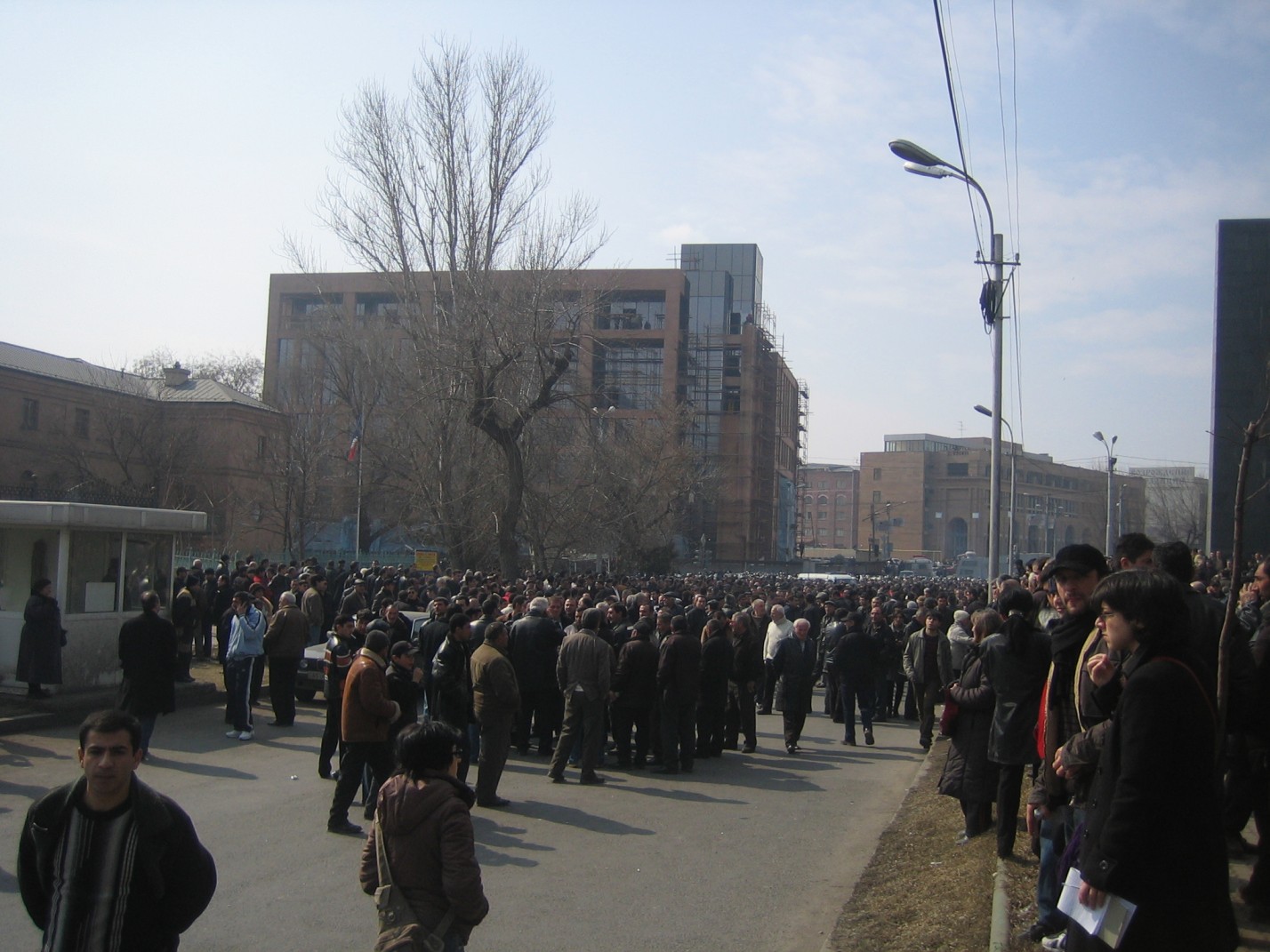
The tension between public demands and market expectations is palpable. Protests have erupted nationwide, with attendance figures ranging from 266,000 to 450,000, highlighting the public’s dissatisfaction. Meanwhile, investors remain vigilant, anticipating whether the government will resort to constitutional measures to pass the budget.
As France navigates this precarious situation, the stakes are high. The upcoming budget debate in the Assemblée Nationale will be crucial. The government must balance presenting a credible budget that appeases markets while making concessions to quell public unrest. Failure on either front could escalate into a full-blown bond-market emergency.
Emmanuel Macron, heading toward his 2027 exit, was reported to have summoned Prime Minister Sébastien Lecornu and senior ministers to a crisis meeting after the government’s handling of the protests drew backlash. France’s fiscal crisis sharpened this week as Finance Minister Roland Lescure privately reassured investors in London on Thursday, October 8, that Paris would use “whatever it takes” to pass the 2027 budget, even as protests at home kept demanding more state spending and exposed how little political room the government has left.
At the same time, the government is trying to hold a 5% deficit line, and Lescure insisted there was only “room for emergencies” so long as “budgetary balances” were preserved. The Guardian noted that 82% of firms surveyed by Medef, France’s largest employer federation, were pessimistic about the impact of the next government’s economic policy.
The most important new development in the latest reporting is that the French government is now openly signaling to markets that it may force the 2027 budget through without a normal parliamentary vote if necessary, a remarkable escalation for a country already under pressure from both bond traders and street demonstrators. Debate on the education-heavy pressure points in the 2027 budget is expected in the Assemblée Nationale in early November, and investors are watching whether Lecornu’s government can survive the fight or resorts to constitutional muscle to enact the package.
86% on August 6, a rise of more than 1 percentage point in two months. ” One striking twist is that the government is not only fighting markets and protesters at once; it is also trying to calm foreign investors who increasingly see France through the lens of a sovereign-risk story.
On Thursday, October 1, France unveiled its 2027 draft budget and sold €12 billion of long-term bonds; demand was more than twice the amount offered, but at sharply higher borrowing costs. Over the weekend and into Sunday, October 4, Lescure publicly reaffirmed the 5% deficit target.
As President Emmanuel Macron approaches his 2027 exit, he has summoned Prime Minister Sébastien Lecornu and senior ministers to address the crisis, which has seen Finance Minister Roland Lescure reassure investors that the 2027 budget will be passed by any means necessary. France’s fiscal crisis sharpened this week as Finance Minister Roland Lescure privately reassured investors in London on Thursday, October 8, that Paris would use “whatever it takes” to pass the 2027 budget, even as protests at home kept demanding more state spending and exposed how little political room the government has left.
82% of firms surveyed by Medef were pessimistic — concerns about the next government’s economic policy persist. Debate on the 2027 budget is expected in November — investors watch if Lecornu’s government can survive the fight.
The French government is attempting to maintain a 5% deficit, with Lescure emphasizing that budgetary balance must be preserved, allowing only for emergency spending. At the same time, the government is trying to hold a 5% deficit line, and Lescure insisted there was only “room for emergencies” so long as “budgetary balances” were preserved.
The Guardian noted that 82% of firms surveyed by Medef, France’s largest employer federation, were pessimistic about the impact of the next government’s economic policy. Finance Minister Roland Lescure reassured investors in London — Paris would use “whatever it takes” to pass the 2027 budget.
The scale and speed of this development has caught many observers off guard. Each new update adds another dimension to a story that is still unfolding, and the full picture will only become clear as more verified details emerge from the people and institutions directly involved.
Analysts who have tracked this issue closely say the current moment represents a genuine turning point. The decisions made in the coming weeks are expected to set the direction for months ahead, with ripple effects likely to extend well beyond the immediate actors in the story.
For those directly affected, the practical impact is already visible. People navigating this fast-changing situation are dealing with real consequences while new information continues to reshape what is known and what remains open to interpretation.
Historical parallels offer some context, though experts caution against drawing too close a comparison. Similar situations have played out before, but the specific combination of pressures, personalities, and timing here makes this moment distinct in ways that matter for how it ultimately resolves.
The political and economic dimensions of this story are deeply intertwined. What appears as a single event on the surface is in practice the convergence of multiple pressures that have been building quietly over a longer period than most public reporting has captured.