

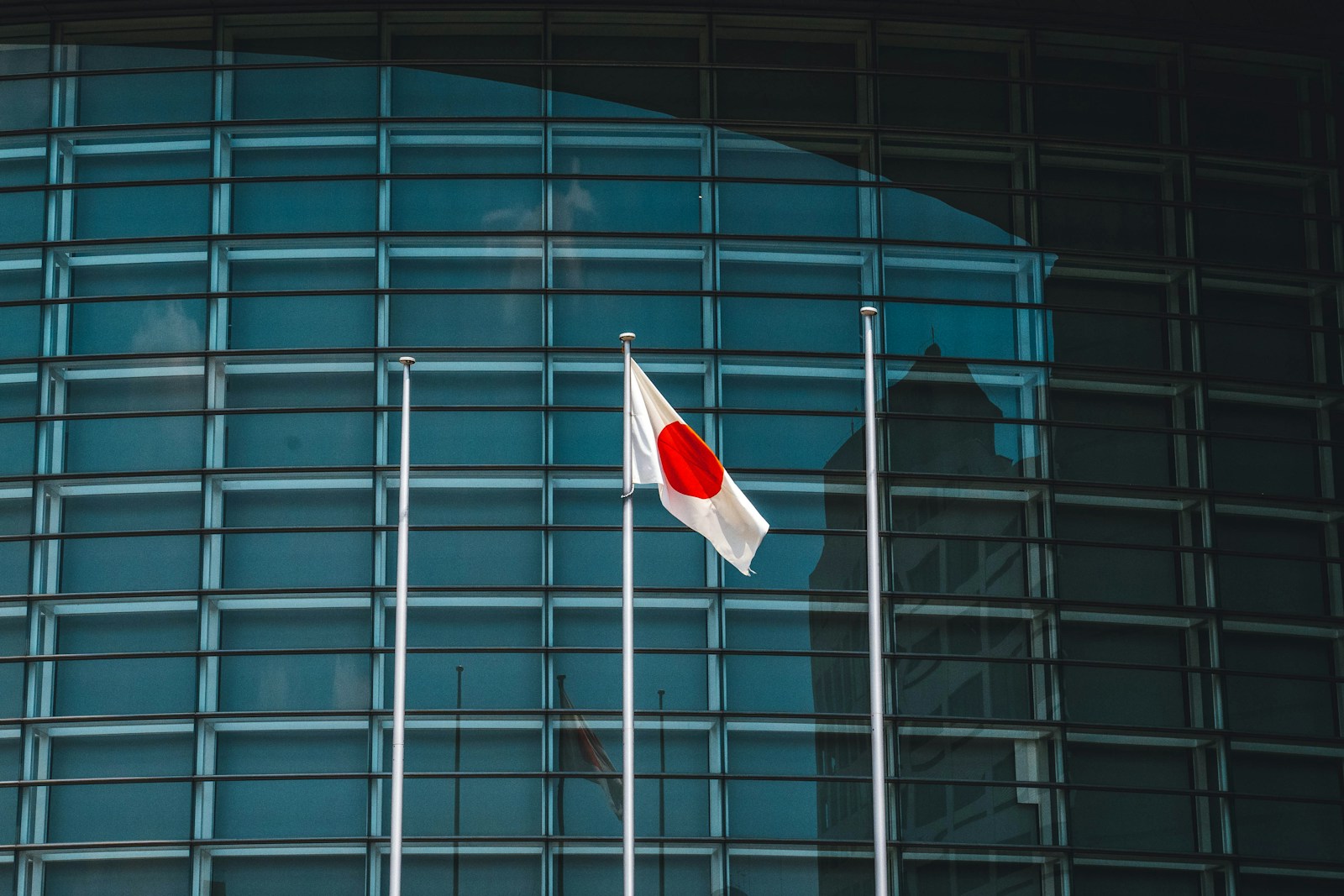

Quick Summary: Japans Economic Minister Signals End to Ultra
- The BOJ’s September 2026 Tankan showed a sixth straight quarter of improving sentiment among big manufacturers, with the index at 24, up 2 points.
- Economy Minister Minoru Kiuchi argued Japan no longer needs “excessively loose” monetary policy in pursuit of higher inflation.
- Kiuchi’s remarks suggest Japan is “no longer experiencing deflation,” signaling a shift from ultra-easy policy.
- The BOJ released its latest summary of opinions and Tankan survey results on October 1.
- The next BOJ policy meeting is set for October 29-30, where further policy normalization will be discussed.
Source: Open external resource
Source: Read original article
Japan’s economy is at a crossroads, as Economy Minister Minoru Kiuchi boldly declares that the nation no longer requires an excessively loose monetary policy. On October 2, Kiuchi’s remarks sent ripples through economic circles, challenging the long-standing era of ultra-easy policy designed to combat deflation.
Kiuchi’s statement comes on the heels of the Bank of Japan’s recent data releases, including the Tankan survey, which showed a sixth consecutive quarter of improving sentiment among large manufacturers. The numbers paint a picture of an economy that’s moving away from crisis mode, prompting Kiuchi to argue that the rationale for extreme monetary easing is outdated.
The timing of these comments is crucial, as the BOJ’s next policy meeting looms at the end of October. This period of recalibration raises the question: has Japan truly escaped the deflationary mindset, or is there a risk of tightening too soon while parts of the economy remain fragile?
Kiuchi’s intervention is a strategic move to shape the narrative before the BOJ’s decision, highlighting a shift in government stance. While the BOJ holds the reins on monetary policy, cabinet-level comments like Kiuchi’s can influence market expectations, affecting everything from the yen to bond yields.
The coming weeks will be telling, as investors and policymakers alike watch for signs of a broader consensus that Japan’s deflation era is over, and whether the BOJ will adjust its stance accordingly. The focus is now on the October 29-30 meeting, where the future of Japan’s monetary policy will be debated in earnest.
The BOJ’s September 2026 Tankan, published on October 1, showed a sixth straight quarter of improving sentiment among big manufacturers, with the index at 24, up 2 points, even as non-manufacturers softened by 2 points to 35. Reuters, whose report was republished by The Business Times on October 2, said Kiuchi argued Japan no longer needs policy that is “excessively loose” in pursuit of higher inflation.
Kiuchi specifically said Japan is no longer in deflation and does not require “excessively loose monetary policy,” while the BOJ’s latest data package has given partial support to that argument through firmer manufacturer sentiment and a policy rate environment already far removed from the deepest phase of monetary stimulus. On Thursday, October 1, the BOJ released both the Tankan and the summary of opinions from the September 17-18 meeting.
On Friday, October 2, Reuters reported Kiuchi’s remarks, carried by The Business Times and other outlets. That matters because it comes just one day after the Bank of Japan released its latest summary of opinions from its September 17-18 meeting, and one day after its closely watched Tankan survey showed large manufacturers’ sentiment rose to 24 from 22, while large non-manufacturers slipped to 35 from 37.
Japan’s top economic minister has just broken more sharply than usual with Japan’s long ultra-easy policy era, saying on Friday, October 2, that the country is “no longer experiencing deflation” and therefore “does not need excessively loose monetary policy” aimed at pushing inflation higher, a notable political signal ahead of the Bank of Japan’s next policy meeting on October 29-30. Put together, the data suggest a country no longer in emergency mode, which is exactly the premise Kiuchi is pressing as markets look toward the next BOJ decision at month-end.
Kiuchi’s intervention pushes the government side of that argument closer to the camp that says the BOJ should keep moving away from crisis-era accommodation. The main players are Kiuchi, the Bank of Japan and the broader Japanese government.
Reuters, whose report was republished by The Business Times on October 2, said Kiuchi argued Japan no longer needs policy that is “excessively loose” in pursuit of higher inflation. On Thursday, October 1, the BOJ released both the Tankan and the summary of opinions from the September 17-18 meeting.
On Friday, October 2, Reuters reported Kiuchi’s remarks, carried by The Business Times and other outlets. Kiuchi’s statement comes on the heels of the Bank of Japan’s recent data releases, including the Tankan survey, which showed a sixth consecutive quarter of improving sentiment among large manufacturers.
This period of recalibration raises the question: has Japan truly escaped the deflationary mindset, or is there a risk of tightening too soon while parts of the economy remain fragile? Kiuchi’s intervention is a strategic move to shape the narrative before the BOJ’s decision, highlighting a shift in government stance.
The scale and speed of this development has caught many observers off guard. Each new update adds another dimension to a story that is still unfolding, and the full picture will only become clear as more verified details emerge from the people and institutions directly involved.
Analysts who have tracked this issue closely say the current moment represents a genuine turning point. The decisions made in the coming weeks are expected to set the direction for months ahead, with ripple effects likely to extend well beyond the immediate actors in the story.
For those directly affected, the practical impact is already visible. People navigating this fast-changing situation are dealing with real consequences while new information continues to reshape what is known and what remains open to interpretation.
Historical parallels offer some context, though experts caution against drawing too close a comparison. Similar situations have played out before, but the specific combination of pressures, personalities, and timing here makes this moment distinct in ways that matter for how it ultimately resolves.
The political and economic dimensions of this story are deeply intertwined. What appears as a single event on the surface is in practice the convergence of multiple pressures that have been building quietly over a longer period than most public reporting has captured.