


Quick Summary: Saudi Arabia Faces Security Threats Amid Oil Tanker Attacks
- Iran claims seven oil tankers were attacked in the Strait of Hormuz — the largest single-day tanker incident since the Iran war began.
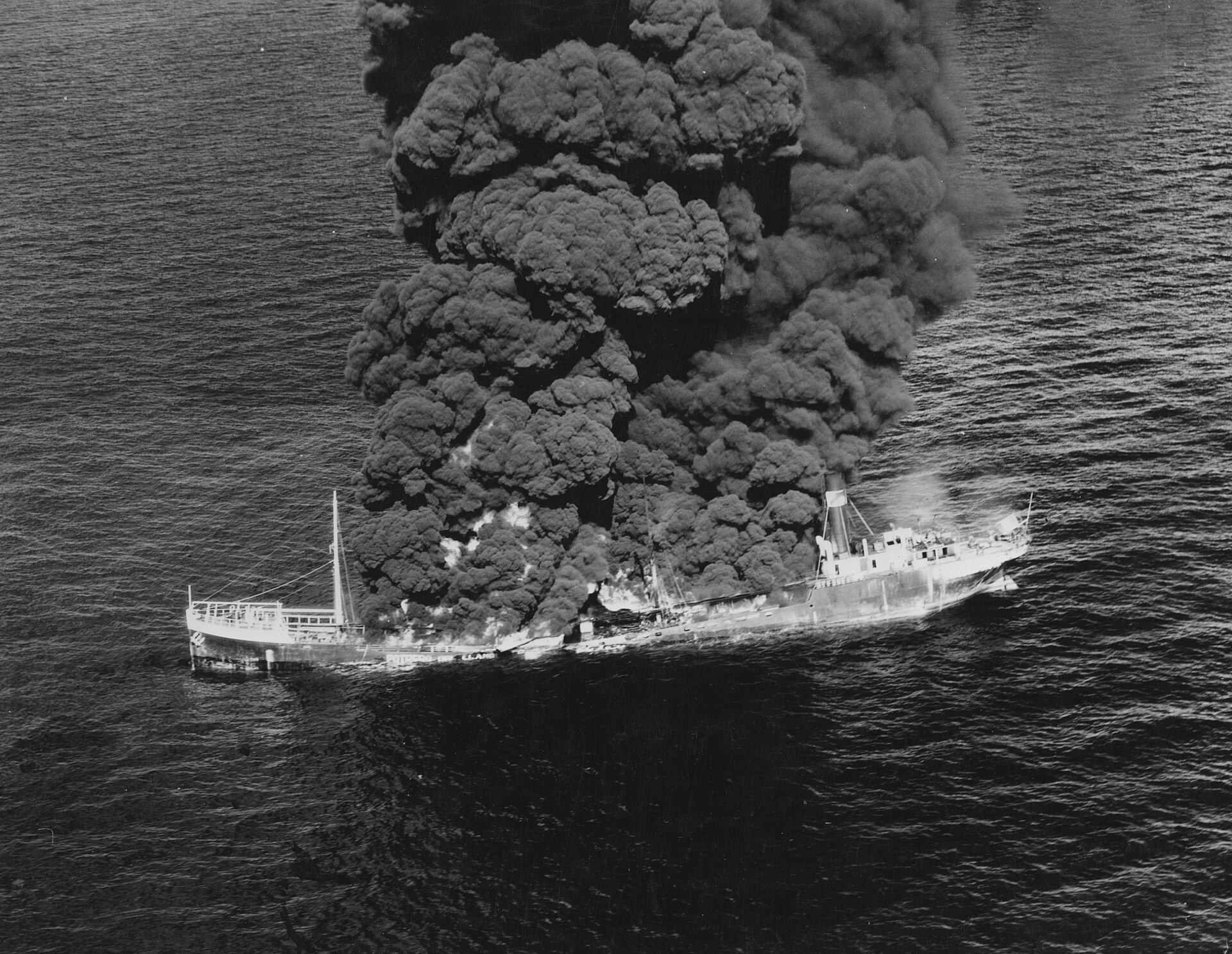
- Four tankers caught fire and three were immobilized by naval mines — this disruption has raised global market and diplomatic concerns.
- U.S.-Israeli military actions against Iran could resume — political events like Israel’s election and U.S. midterms are critical watch points.
- Saudi Arabia faces increased security threats — U.S. orders non-essential staff to leave due to Iranian-backed hostilities.
- Commercial oil traffic continues despite attacks — operators use covert nighttime routes and military protection.
Source: Open external resource
Source: Read original article
The Strait of Hormuz has once again become a flashpoint as Iran reports that seven oil tankers were attacked overnight. This marks the most significant disruption since the onset of the Iran war, casting a shadow over global markets and diplomatic relations.
According to Iranian state media, four tankers caught fire and three were immobilized by naval mines. While these claims remain unverified, the sheer number has jolted markets and governments, heightening fears of a return to open conflict. The timing is particularly sensitive with Israel’s election and the U.S. midterms on the horizon, both of which could influence military strategies in the region.
In Saudi Arabia, the security situation is deteriorating. The U.S. State Department has evacuated non-essential personnel due to Iranian-backed attacks, including those on civilian infrastructure. Meanwhile, the East-West pipeline’s capacity has increased, aiming to bypass the volatile Strait entirely, but the threat of further attacks looms large.
Despite the chaos, oil continues to flow through the region. Tanker operators are employing covert nighttime routes and relying on U.S. military protection to navigate the perilous waters. This precarious balance underscores the high stakes involved as diplomatic efforts struggle against escalating military preparations.
The coming weeks will be pivotal. Political outcomes in Israel and the U.S. could dictate whether tensions escalate into full-blown conflict or if diplomacy can still steer the region away from war. For now, the world watches anxiously as covert operations and strategic maneuvers unfold amid rising fears.
Aramco chief executive Amin Nasser said the East-West pipeline’s capacity has jumped from 2 million to 7 million barrels a day, more than tripling the volume that can avoid the strait entirely. The sharpest new development is that Iran says seven oil tankers were hit or immobilized in the Strait of Hormuz overnight, a scale of disruption that, if confirmed, would make it the biggest single day of tanker damage since the Iran war began on February 28.
At the same time, The Atlantic reported that IRGC spokesperson Brig. spokesman Stéphane Dujarric said, “For the sake of the people of the region and for the broader world, we need to see that waterway reopen, and we need to see tensions go down,” while Iranian Foreign Minister Abbas Araghchi said Wednesday that Tehran remains open to diplomacy but ready to defend itself.
” Saudi authorities said an attack on King Fahd International Airport killed two people and injured eight, while debris from an intercepted drone killed two more people at an Aramco-operated oil field in the southeast. The economic and strategic twist is that the system designed to bypass Hormuz is expanding fast, but not fast enough to remove the danger.
Diplomatically, the public line is still de-escalation, but the rhetoric is colliding with military preparation. According to Iran’s state television, citing the Revolutionary Guard navy, four tankers were targeted while transferring oil and caught fire, while three more were damaged and left immobilized after striking naval mines; no casualty figures or vessel flags were released.
Hossein Mohebbi recently identified seven undersea fiber-optic cables in the Strait of Hormuz as potential “new targets” and hinted that future attacks could involve “new weapons,” suggesting the threat may broaden beyond tankers themselves. For now, the most newsworthy reality is that commercial traffic has not stopped, but it is being sustained through covert-style nighttime routing, emergency military protection, and bypass infrastructure built for war, all while fresh tanker attacks raise the cost of waiting for diplomacy to work.
Commercial oil traffic continues despite attacks — operators use covert nighttime routes and military protection. According to Iranian state media, four tankers caught fire and three were immobilized by naval mines.
midterms on the horizon, both of which could influence military strategies in the region. State Department has evacuated non-essential personnel due to Iranian-backed attacks, including those on civilian infrastructure.
Meanwhile, the East-West pipeline’s capacity has increased, aiming to bypass the volatile Strait entirely, but the threat of further attacks looms large. Diplomatically, the public line is still de-escalation, but the rhetoric is colliding with military preparation.
The scale and speed of this development has caught many observers off guard. Each new update adds another dimension to a story that is still unfolding, and the full picture will only become clear as more verified details emerge from the people and institutions directly involved.
Analysts who have tracked this issue closely say the current moment represents a genuine turning point. The decisions made in the coming weeks are expected to set the direction for months ahead, with ripple effects likely to extend well beyond the immediate actors in the story.
For those directly affected, the practical impact is already visible. People navigating this fast-changing situation are dealing with real consequences while new information continues to reshape what is known and what remains open to interpretation.
Historical parallels offer some context, though experts caution against drawing too close a comparison. Similar situations have played out before, but the specific combination of pressures, personalities, and timing here makes this moment distinct in ways that matter for how it ultimately resolves.
The political and economic dimensions of this story are deeply intertwined. What appears as a single event on the surface is in practice the convergence of multiple pressures that have been building quietly over a longer period than most public reporting has captured.