


Quick Summary: Protest Against Voter Roll Changes Escalates as Gandhi Detained
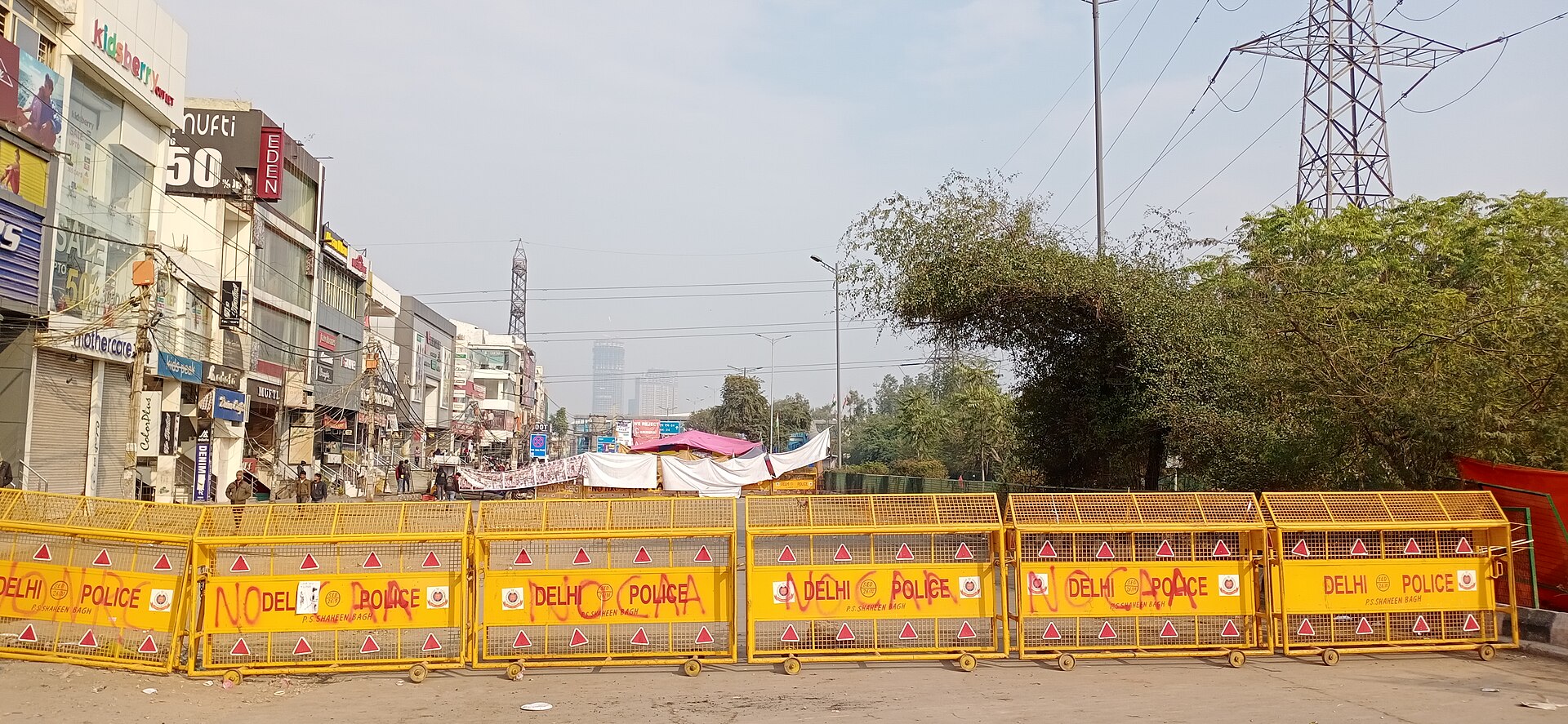
- Delhi Police deployed over 23,000 personnel and shut 57 Metro stations ahead of the October 10 protest, showing a strong state response.
- The Ministry of Home Affairs provided 221 companies of Central Armed Police Forces to Delhi Police from October 8 to October 12, highlighting the scale of security measures.
- Protesters demand the resignation of Chief Election Commissioner Gyanesh Kumar, accusing him of manipulating voter registrations.
- The protest is linked to allegations that the Election Commission’s voter roll revision removed over 130 million names, sparking a legitimacy crisis.
- Rahul Gandhi’s detention in Bengaluru intensified national attention on the protest, transforming it into a broader movement.
Source: Open external resource
Source: Read original article
Delhi turned into a fortress on October 10 as the protest against India’s voter-roll purge escalated into a national showdown. With over 23,000 personnel deployed and Metro stations shut, the city’s lockdown underscored the gravity of the situation.
The protest isn’t just a routine political demonstration; it’s a response to allegations that the Election Commission’s voter roll revision has unjustly removed over 130 million names. This has raised questions about the integrity of India’s election process, with demonstrators demanding Chief Election Commissioner Gyanesh Kumar’s resignation.
The protest has gained momentum, fueled by opposition leaders like Rahul Gandhi, whose detention in Bengaluru amplified the issue nationwide. The state has responded with a massive security presence, aiming to control the situation before it spirals further.
As the protest unfolds, the focus remains on whether the Election Commission will address the allegations and how the opposition will leverage this moment. The outcome could redefine the political landscape, depending on whether the protest remains contained or evolves into a prolonged campaign.
Indian Express reported that police deployed over 23,000 personnel and shut 57 Metro stations ahead of the October 10 mobilization, while another report said the Ministry of Home Affairs made 221 companies of Central Armed Police Forces available to Delhi Police from October 8 through October 12. AP reported that Gandhi has become one of the most prominent faces of the campaign, and dramatic images of police dragging him into a vehicle in Bengaluru on Thursday, October 8, intensified momentum behind the call for Kumar’s removal.
The most surprising twist in the newest reporting is the scale of the preventive disruption imposed on the capital before the protest’s main action: beyond police deployment, authorities reportedly sealed key borders, set up 15 detention centers, issued 150 bodycams to frontline personnel, and upgraded Gyanesh Kumar’s already high security cover. Hindustan Times separately reported the CAPF footprint was raised to 26,000, including 110 companies approved between October 8 and 12, showing the security buildout itself has become one of the most striking facts of the story.
On October 8, Delhi security was visibly ramped up with additional CAPF companies and bodycams issued. On October 8 in Bengaluru, police action against Rahul Gandhi amplified national attention.
The immediate next markers are whether the Election Commission responds publicly to the 130 million-name allegation, whether opposition leaders convert the street campaign into a formal parliamentary or legal challenge, and whether any detentions or use-of-force incidents on October 10 generate a second wave of outrage larger than the original voter-list controversy. AP reported that more protests were already being called in New Delhi starting Saturday, with thousands expected, and the Home Ministry’s deployment window through October 12 indicates officials expect unrest or demonstrations to continue for several days.
Those formulations are important because they show the campaign is targeting both the official and the mechanism, not one or the other. That combination suggests the government is preparing not just for crowd control but for a volatile contest over optics, detentions, and allegations of misconduct, especially after reports this week of journalists alleging manhandling and sexual harassment by police during earlier anti-CEC protests.
The protest is linked to allegations that the Election Commission’s voter roll revision removed over 130 million names, sparking a legitimacy crisis. The protest isn’t just a routine political demonstration; it’s a response to allegations that the Election Commission’s voter roll revision has unjustly removed over 130 million names.
With over 23,000 personnel deployed and Metro stations shut, the city’s lockdown underscored the gravity of the situation. This has raised questions about the integrity of India’s election process, with demonstrators demanding Chief Election Commissioner Gyanesh Kumar’s resignation.
Rahul Gandhi’s detention in Bengaluru intensified national attention on the protest, transforming it into a broader movement. The protest has gained momentum, fueled by opposition leaders like Rahul Gandhi, whose detention in Bengaluru amplified the issue nationwide.
The scale and speed of this development has caught many observers off guard. Each new update adds another dimension to a story that is still unfolding, and the full picture will only become clear as more verified details emerge from the people and institutions directly involved.
Analysts who have tracked this issue closely say the current moment represents a genuine turning point. The decisions made in the coming weeks are expected to set the direction for months ahead, with ripple effects likely to extend well beyond the immediate actors in the story.
For those directly affected, the practical impact is already visible. People navigating this fast-changing situation are dealing with real consequences while new information continues to reshape what is known and what remains open to interpretation.
Historical parallels offer some context, though experts caution against drawing too close a comparison. Similar situations have played out before, but the specific combination of pressures, personalities, and timing here makes this moment distinct in ways that matter for how it ultimately resolves.
The political and economic dimensions of this story are deeply intertwined. What appears as a single event on the surface is in practice the convergence of multiple pressures that have been building quietly over a longer period than most public reporting has captured.