

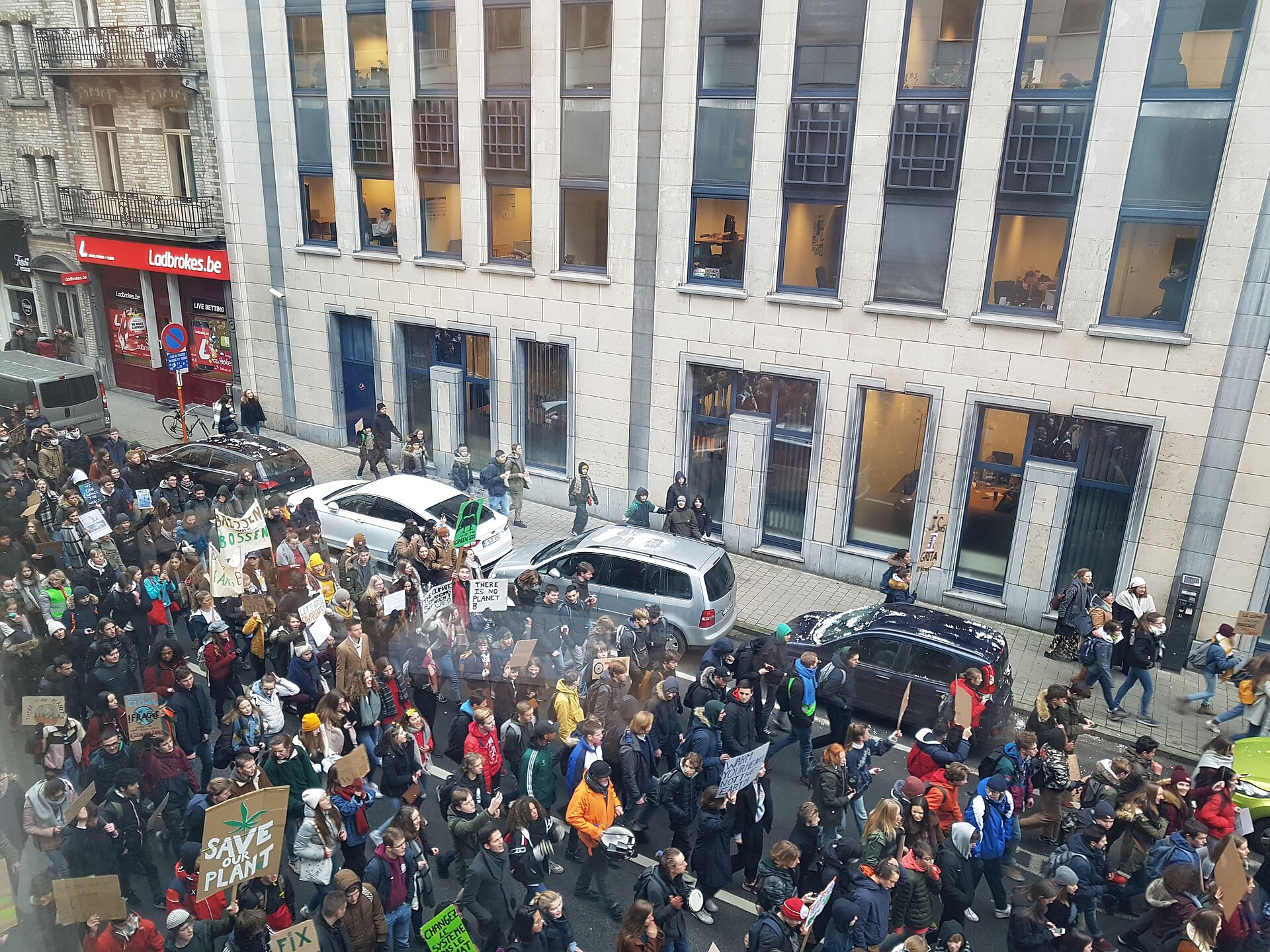

Quick Summary: French Schools Face Shutdowns Amid Widespread Student Protests
- France’s education ministry reported over 400 school closures on October 2 due to student protests, escalating into a national crisis.
- By early afternoon, disruptions affected 564 schools, highlighting the spread of unrest despite preemptive shutdowns.
- Interior Minister Laurent Nuñez condemned the violence, while Prime Minister Sébastien Lecornu held an emergency meeting to address the crisis.
- The protests, initially about staffing and conditions, now reflect broader discontent over education policy and government response.
- Approximately 100 schools suffered severe damage, with 40 headteachers injured during the week’s protests.
Source: Open external resource
Source: Read original article
The French education system is in turmoil as student protests have led to the closure of over 400 schools. What began as a movement against inadequate staffing and poor conditions has now spiraled into a national crisis, affecting 564 schools by October 2. This unrest underscores a deeper discontent with the government’s handling of education policies.
Interior Minister Laurent Nuñez and Prime Minister Sébastien Lecornu have been thrust into the spotlight, as they grapple with the escalating situation. While Nuñez condemns the violence, Lecornu’s emergency ministerial meeting signals the government’s struggle to maintain order. Yet, despite these efforts, the protests have only intensified, sparking debates over the legitimacy of the student movement.
The damage is not just physical—100 schools have been severely affected, and 40 headteachers have been injured. The students’ grievances are clear: they demand better resources, safer schools, and a fair university admissions system. Their voices, however, seem to be met with increased policing rather than meaningful dialogue, fueling a sense of humiliation and persistence in their cause.
This crisis is more than a student protest; it is a reflection of a broader societal dissatisfaction with the French education system. As the government attempts to navigate this complex landscape, the question remains: will they address the root causes of the unrest or continue to suppress the symptoms?
” Interior Minister Laurent Nuñez, according to Le Monde’s English report, condemned “unbridled violence,” while Prime Minister Sébastien Lecornu convened an emergency ministerial meeting on Thursday and canceled ministers’ trips to keep the government focused on the crisis. But on the same day, the interior ministry moved to ban demonstrations around the roughly 400 schools ordered shut on Friday, underscoring a dual-track response of limited concession and intensified policing rather than a broad political settlement.
Le Monde said La France Insoumise figures encouraged the movement while the government accused them of irresponsibly inflaming it. ” AP, reporting Friday, said protests were impacting 560 schools by early afternoon, showing the demonstrations kept spreading even after preemptive shutdowns and remote-learning plans were put in place.
Le Monde reported that 55 high schools in the Paris region alone were the scene of “violence, clashes and damage” on Friday morning. The Guardian’s live reporting, citing the French education ministry, said about 100 schools had been severely damaged and 40 headteachers injured during the week’s unrest.
Earlier in the week, actions had already been recorded at nearly 410 schools nationwide, or more than 11% of France’s public and private high schools, showing how quickly the movement expanded from a Paris-region flare-up into a nationwide shutdown. What happens next is a test of whether talks can slow momentum: Geffray was scheduled to meet student and parent associations on Friday, but after that meeting, Le Monde reported that student and university organizations called for the mobilization to continue, suggesting the government has not yet found an off-ramp.
Political scientist Xavier Crettiez told Le Monde that “high school protest movements are the worst scenario for governments,” citing young people’s “idealism, excitement, and group effect” — a warning that this may be harder to contain than a normal labor or university dispute. The clearest new development in the latest reporting is that the government’s closure strategy did not contain the unrest.
But on the same day, the interior ministry moved to ban demonstrations around the roughly 400 schools ordered shut on Friday, underscoring a dual-track response of limited concession and intensified policing rather than a broad political settlement. ” AP, reporting Friday, said protests were impacting 560 schools by early afternoon, showing the demonstrations kept spreading even after preemptive shutdowns and remote-learning plans were put in place.
The Guardian’s live reporting, citing the French education ministry, said about 100 schools had been severely damaged and 40 headteachers injured during the week’s unrest. Earlier in the week, actions had already been recorded at nearly 410 schools nationwide, or more than 11% of France’s public and private high schools, showing how quickly the movement expanded from a Paris-region flare-up into a nationwide shutdown.
This unrest underscores a deeper discontent with the government’s handling of education policies. While Nuñez condemns the violence, Lecornu’s emergency ministerial meeting signals the government’s struggle to maintain order.
The scale and speed of this development has caught many observers off guard. Each new update adds another dimension to a story that is still unfolding, and the full picture will only become clear as more verified details emerge from the people and institutions directly involved.
Analysts who have tracked this issue closely say the current moment represents a genuine turning point. The decisions made in the coming weeks are expected to set the direction for months ahead, with ripple effects likely to extend well beyond the immediate actors in the story.
For those directly affected, the practical impact is already visible. People navigating this fast-changing situation are dealing with real consequences while new information continues to reshape what is known and what remains open to interpretation.
Historical parallels offer some context, though experts caution against drawing too close a comparison. Similar situations have played out before, but the specific combination of pressures, personalities, and timing here makes this moment distinct in ways that matter for how it ultimately resolves.
The political and economic dimensions of this story are deeply intertwined. What appears as a single event on the surface is in practice the convergence of multiple pressures that have been building quietly over a longer period than most public reporting has captured.