

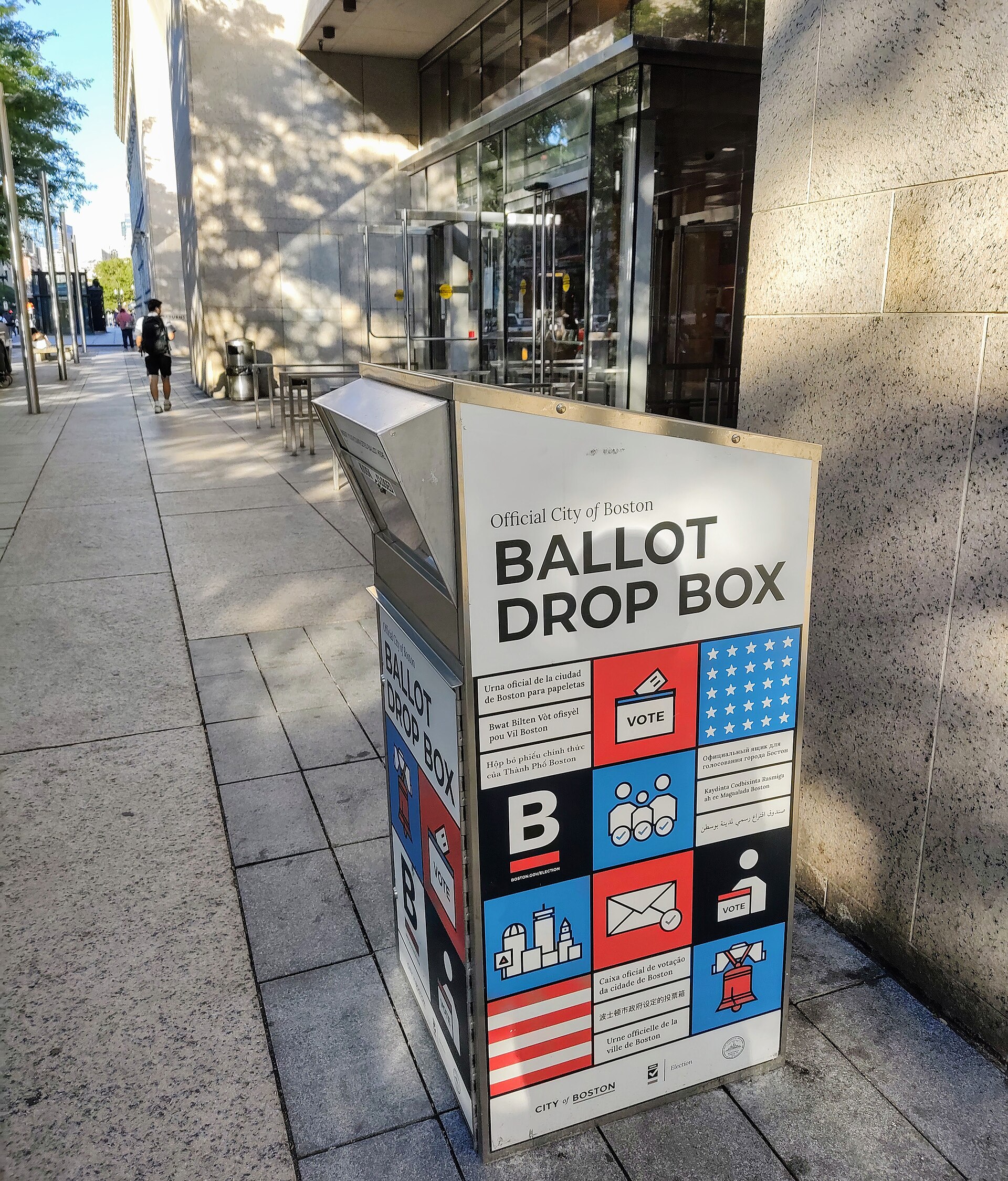

Quick Summary: Question 1 on Massachusetts Ballot Seeks to Open Legislative Records
- Massachusetts voters face nine statewide questions on the Nov. 3, 2026 ballot — over $21 million has been invested in campaigns as the Legislature declined to act.
- Question 1 proposes to make most Legislature and governor’s office records public — it challenges current disclosure exemptions.
- Question 3 suggests replacing party primaries with a ‘top two’ system — it could reshape state elections significantly.
- Question 9 seeks to maintain the 2024 firearms law — it reflects ongoing national gun policy debates.
- Polling indicates strong support for transparency and gun restrictions — other proposals show tighter divides.
Source: Open external resource
Source: Read original article
Massachusetts is on the brink of a political showdown, with voters set to decide on nine crucial statewide questions this November. This ballot is not just a collection of policy proposals; it’s a direct challenge to Beacon Hill’s legislative inertia.
At the heart of this electoral battle is Question 1, which aims to expose the inner workings of the Legislature and governor’s office by making their records public. This proposal is more than a simple transparency measure; it’s a referendum on who controls the flow of information in government. The stakes are further heightened by the fact that the Legislature could amend or repeal any successful initiative, keeping power firmly in their hands.
Question 3 could transform the state’s political landscape by eliminating party primaries in favor of a ‘top two’ system. Proponents argue it will break partisan gridlock, while critics fear it could upend traditional political structures. Meanwhile, Question 9 stands as a bulwark for the 2024 firearms law, a contentious issue in a state with low gun ownership but strong polling support for maintaining current restrictions.
As Election Day looms, Massachusetts voters are not just choosing policies but deciding how much power they want to reclaim from a Legislature that has often sidestepped these issues. The outcome could redefine the balance of power in state politics.
19 that a new UMass poll found overwhelming support for Question 1 at 84% yes to 6% no, while the campaign to preserve the 2024 gun law in Question 9 was leading 70% to 18%. ” That same report said questions 1 through 8 reached the ballot only after the House and Senate “held hearings but didn’t enact them,” forcing supporters to gather signatures instead.
According to Axios, a legislative committee majority recommended no action on the transparency measure, citing separation-of-powers concerns raised in an April 27 Supreme Judicial Court advisory opinion. The official ballot language says a yes vote keeps in place the 2024 firearms law, while a no vote repeals parts of it.
3, 2026 ballot and more than $21 million already poured into ballot campaigns through August as advocates and special interests move around a Legislature that declined to act. 3, 2026, when all nine statewide questions will be decided.
That makes Question 1 more than a records proposal; it is effectively a referendum on whether lawmakers and the governor should remain shielded from disclosure rules that already apply to many other public bodies. The sharpest conflict in the latest reporting centers on whether this avalanche of ballot questions represents democratic accountability or a failure of representative government.
The single biggest substantive fight appears to be over structural power: who controls transparency, elections, taxes and guns after Nov. Question 1 would bring the Legislature and governor under the public records law, a change the secretary of state’s summary says would make “most records” public while still exempting policy-development documents and certain constituent communications.
According to Axios, a legislative committee majority recommended no action on the transparency measure, citing separation-of-powers concerns raised in an April 27 Supreme Judicial Court advisory opinion. Quick Summary: Your guide to the Massachusetts general election ballot – The Tufts Daily Massachusetts voters face nine statewide questions on the Nov.
3, 2026 ballot — over $21 million has been invested in campaigns as the Legislature declined to act. Question 9 seeks to maintain the 2024 firearms law — it reflects ongoing national gun policy debates.
Meanwhile, Question 9 stands as a bulwark for the 2024 firearms law, a contentious issue in a state with low gun ownership but strong polling support for maintaining current restrictions. 3, 2026 ballot and more than $21 million already poured into ballot campaigns through August as advocates and special interests move around a Legislature that declined to act.
3, 2026, when all nine statewide questions will be decided. Question 1 proposes to make most Legislature and governor’s office records public — it challenges current disclosure exemptions.
The scale and speed of this development has caught many observers off guard. Each new update adds another dimension to a story that is still unfolding, and the full picture will only become clear as more verified details emerge from the people and institutions directly involved.
Analysts who have tracked this issue closely say the current moment represents a genuine turning point. The decisions made in the coming weeks are expected to set the direction for months ahead, with ripple effects likely to extend well beyond the immediate actors in the story.
For those directly affected, the practical impact is already visible. People navigating this fast-changing situation are dealing with real consequences while new information continues to reshape what is known and what remains open to interpretation.
Historical parallels offer some context, though experts caution against drawing too close a comparison. Similar situations have played out before, but the specific combination of pressures, personalities, and timing here makes this moment distinct in ways that matter for how it ultimately resolves.
The political and economic dimensions of this story are deeply intertwined. What appears as a single event on the surface is in practice the convergence of multiple pressures that have been building quietly over a longer period than most public reporting has captured.