

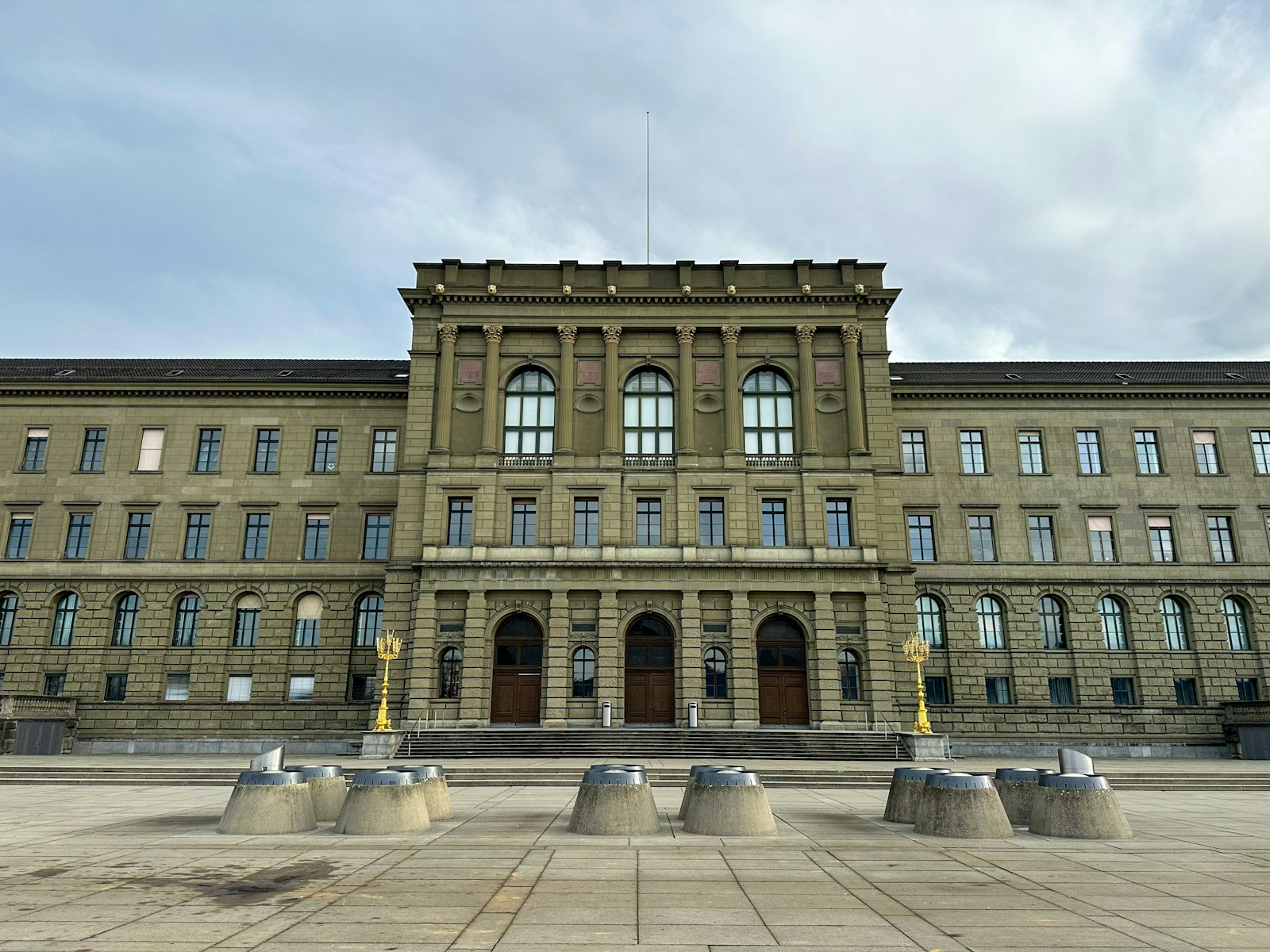

Quick Summary: ETH Zurich Falls to 12th as Tsinghua Climbs Global Rankings
- Tsinghua University climbed to 11th place in the 2027 Times Higher Education rankings, surpassing ETH Zurich.
- Three Asian universities are now in the global top 15, a first in the rankings’ history.
- ETH Zurich dropped to 12th but remains the top university in continental Europe.
- Singapore’s National University of Singapore and Nanyang Technological University also made significant gains.
- Asia’s rise is attributed to internationalization and adapting to the changing academic landscape.
Source: Open external resource
Source: Read original article
In a historic shift, Asia has surged ahead of Europe in the global university rankings, with China’s Tsinghua University leading the charge. Tsinghua’s rise to 11th place in the Times Higher Education World University Rankings 2027 marks the first time an Asian institution has outpaced every university in mainland Europe.
This climb is not an isolated event but part of a broader trend as three Asian universities now sit among the global top 15. The National University of Singapore and Nanyang Technological University have also made impressive leaps, signaling a shift in academic power.
The rankings reflect a changing academic landscape where internationalization and policy adaptation are key. Asian universities are capitalizing on these trends, while Western institutions face challenges, including declining metrics in research and international student enrollment.
As the world of higher education undergoes this transformation, the debate continues: Is this a temporary fluctuation or a lasting reordering of global academic prestige? Tsinghua’s ascent, driven by increased foreign academic staff and students, suggests a new model of success that could redefine the future of university rankings.
The immediate timeline is tight: THE released the 2027 results on September 30, 2026, ETH Zurich responded publicly last week, and VnExpress followed with fresh reporting yesterday. Times Higher Education’s 2027 ranking covers 2,297 universities across 118 countries and territories, up from 2,191 institutions in 115 the year before, and it says three Asian universities are now in the global top 15.
Asia’s biggest higher-education breakthrough this week is that Tsinghua University has climbed to 11th in the Times Higher Education World University Rankings 2027, overtaking ETH Zurich and making it the first Asian university ever ranked above every university in mainland Europe. The main organizations shaping the story are Times Higher Education, which published the 2027 table last week; VnExpress International, which amplified the symbolic “Asia ahead of Europe” frame yesterday; Tsinghua University, whose rise to 11th made the headline; and ETH Zurich, which acknowledged exchanging places with the Beijing university.
THE said universities were judged across five areas including teaching, research environment, research quality, international outlook, and industry income and patents, with 17 indicators feeding the overall result. Tsinghua is joined near the top by other fast-rising Asian institutions, and the World Economic Forum’s summary of the results said Singapore’s National University of Singapore reached a record 15th while Nanyang Technological University jumped from joint 31st to 28th.
The next major test will be whether Tsinghua can crack the global top 10 and whether more Asian institutions push Europe further down the top 20, especially as THE says artificial intelligence, international student flows, and geopolitical pressures are reshaping the metrics that now decide who rises and who falls. Times Higher Education reported that its rise was “mostly the result of an increase in foreign academic staff and students,” even as the university was “held back” by weaker global co-authorship on another international metric.
6 kept it the top university in continental Europe. The most telling explanation offered by the ranking compilers is that the power shift reflects adaptation and policy momentum, not just prestige.
The immediate timeline is tight: THE released the 2027 results on September 30, 2026, ETH Zurich responded publicly last week, and VnExpress followed with fresh reporting yesterday. Tsinghua’s rise to 11th place in the Times Higher Education World University Rankings 2027 marks the first time an Asian institution has outpaced every university in mainland Europe.
Times Higher Education’s 2027 ranking covers 2,297 universities across 118 countries and territories, up from 2,191 institutions in 115 the year before, and it says three Asian universities are now in the global top 15. Quick Summary: Asia rises ahead of Europe in global university ranking as China's Tsinghua beats top Swiss school – VnExpress International Tsinghua University climbed to 11th place in the 2027 Times Higher Education rankings, surpassing ETH Zurich.
Times Higher Education reported that its rise was “mostly the result of an increase in foreign academic staff and students,” even as the university was “held back” by weaker global co-authorship on another international metric. Singapore’s National University of Singapore and Nanyang Technological University also made significant gains.
Asia’s rise is attributed to internationalization and adapting to the changing academic landscape. In a historic shift, Asia has surged ahead of Europe in the global university rankings, with China’s Tsinghua University leading the charge.
The scale and speed of this development has caught many observers off guard. Each new update adds another dimension to a story that is still unfolding, and the full picture will only become clear as more verified details emerge from the people and institutions directly involved.
Analysts who have tracked this issue closely say the current moment represents a genuine turning point. The decisions made in the coming weeks are expected to set the direction for months ahead, with ripple effects likely to extend well beyond the immediate actors in the story.
For those directly affected, the practical impact is already visible. People navigating this fast-changing situation are dealing with real consequences while new information continues to reshape what is known and what remains open to interpretation.
Historical parallels offer some context, though experts caution against drawing too close a comparison. Similar situations have played out before, but the specific combination of pressures, personalities, and timing here makes this moment distinct in ways that matter for how it ultimately resolves.
The political and economic dimensions of this story are deeply intertwined. What appears as a single event on the surface is in practice the convergence of multiple pressures that have been building quietly over a longer period than most public reporting has captured.