


Quick Summary: Nigeria Launches $300 Million Fund to Boost Renewable Energy Access
- The $300 million Nigeria DRE Fund was launched to support distributed renewable energy and expand access to underserved communities.
- The Africa Social Impact Summit set a 2027 deadline to prove tangible results from this year’s forum.
- The UNGA81 event emphasized moving beyond financial shortages to connect funding with local innovation and markets.
- The Nigeria DRE Fund marks a shift from planning to active capital deployment in renewable energy.
- Key stakeholders argue that Africa’s development depends on linking capital to local solutions and institutions.
Source: Open external resource
Source: Read original article
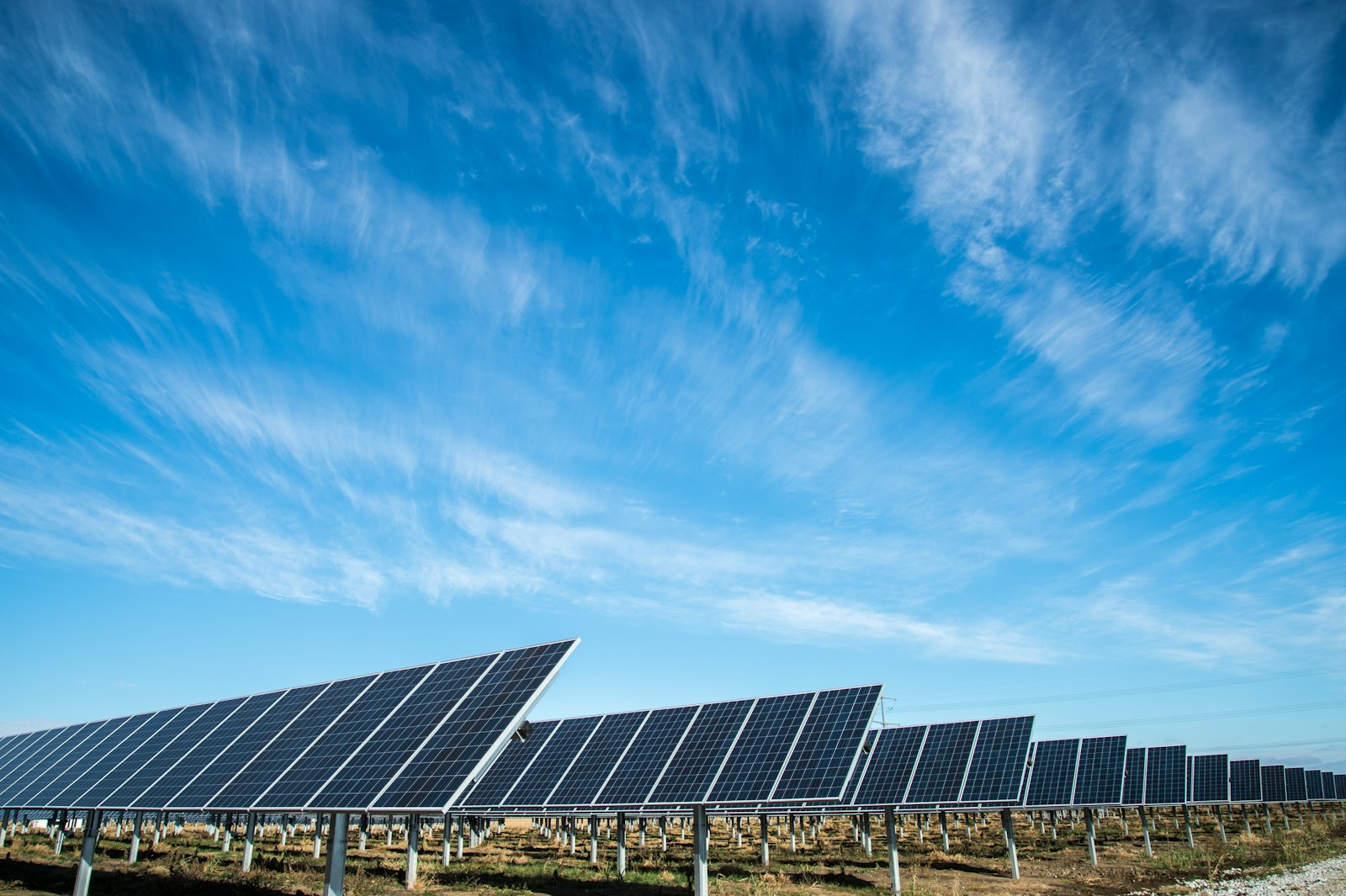
Africa’s development narrative is undergoing a critical transformation. The continent’s leaders are no longer content with merely identifying financial gaps; they are now focusing on connecting available resources with local innovations and institutions. This shift was highlighted by the recent launch of the $300 million Nigeria Distributed Renewable Energy (DRE) Fund during the 81st UN General Assembly in New York.
The fund’s launch represents a tangible shift from rhetoric to action, aiming to deploy capital in Nigeria’s renewable energy sector. This initiative is part of a broader strategy to bridge the gap between capital availability and local entrepreneurial solutions. As emphasized at the Africa Social Impact Summit, the focus is now on execution and building systems that can absorb and scale investments effectively.
The context of this development is crucial. The summit, themed “Financing for Development: Building Resilience and Transforming Emerging Economies,” gathered diverse stakeholders, including government, business, and development institutions. The central debate is whether Africa should continue to frame its development around external financial deficits or pivot towards fostering local ownership and scalable solutions.
Looking forward, the real test of the forum’s success will be the actual deployment of funds into viable projects. The upcoming ASIS 2027 summit will serve as a checkpoint to evaluate whether this year’s promises translate into measurable outcomes. Africa’s journey from financing to transformation is now more than just a narrative; it’s a call to action.
NSIA said the $300 million DRE Fund is intended to support distributed renewable energy and expand last-mile access, while other reporting this week described the fund as targeting mini-grids and standalone solar systems for underserved communities and businesses. Sterling One Foundation chief executive Olapeju Ibekwe said the summit’s next chapter, ASIS 2027, will be themed “From Financing to Transformation: Powering Inclusive Growth and Shared Prosperity in Africa,” which effectively sets a public deadline: by 2027, the organizers will need hard evidence that this year’s New York forum produced implementation, not just messaging.
” NSIA said the vehicle was launched with Africa50 and Sustainable Energy for All, while also describing it as aligned with Mission 300, the Africa-wide effort to connect 300 million people to electricity by 2030. On September 21 and 22, multiple outlets reported the commercial launch of the $300 million Nigeria DRE Fund during UNGA week in New York.
The biggest concrete development in the latest reporting is that the forum’s rhetoric about “moving beyond financing gaps” was paired with an actual transaction: the commercial launch of Nigeria’s $300 million Distributed Renewable Energy Fund on the sidelines of the 81st UN General Assembly, shifting the conversation from abstract capital needs to active deployment. The strongest factual marker in the story is the $300 million fund launch, which gives the summit a tangible output rather than another declaration-heavy development meeting.
” The event was held during UNGA81 under the theme “Financing for Development: Building Resilience and Transforming Emerging Economies,” and brought together government, business, finance, philanthropy and development institutions. Mariarosa Cutillo, said development finance works better when linked to “strong partnerships, local ownership and clearly defined outcomes,” signaling frustration with capital commitments that are not tied to measurable delivery.
On September 24, NSIA separately logged the milestone on its own timeline, confirming the launch as a move into active deployment. ” Jay Hein, chief executive of Sagamore, sharpened the same point from the investor side, arguing that Africa is “not short of entrepreneurs or locally developed solutions,” but must close the gap between those solutions and the “capital, expertise and partnerships” needed to scale them.
Sterling One Foundation chief executive Olapeju Ibekwe said the summit’s next chapter, ASIS 2027, will be themed “From Financing to Transformation: Powering Inclusive Growth and Shared Prosperity in Africa,” which effectively sets a public deadline: by 2027, the organizers will need hard evidence that this year’s New York forum produced implementation, not just messaging. On September 21 and 22, multiple outlets reported the commercial launch of the $300 million Nigeria DRE Fund during UNGA week in New York.
The strongest factual marker in the story is the $300 million fund launch, which gives the summit a tangible output rather than another declaration-heavy development meeting. ” The event was held during UNGA81 under the theme “Financing for Development: Building Resilience and Transforming Emerging Economies,” and brought together government, business, finance, philanthropy and development institutions.
The summit, themed “Financing for Development: Building Resilience and Transforming Emerging Economies,” gathered diverse stakeholders, including government, business, and development institutions. Mariarosa Cutillo, said development finance works better when linked to “strong partnerships, local ownership and clearly defined outcomes,” signaling frustration with capital commitments that are not tied to measurable delivery.
The scale and speed of this development has caught many observers off guard. Each new update adds another dimension to a story that is still unfolding, and the full picture will only become clear as more verified details emerge from the people and institutions directly involved.
Analysts who have tracked this issue closely say the current moment represents a genuine turning point. The decisions made in the coming weeks are expected to set the direction for months ahead, with ripple effects likely to extend well beyond the immediate actors in the story.
For those directly affected, the practical impact is already visible. People navigating this fast-changing situation are dealing with real consequences while new information continues to reshape what is known and what remains open to interpretation.
Historical parallels offer some context, though experts caution against drawing too close a comparison. Similar situations have played out before, but the specific combination of pressures, personalities, and timing here makes this moment distinct in ways that matter for how it ultimately resolves.
The political and economic dimensions of this story are deeply intertwined. What appears as a single event on the surface is in practice the convergence of multiple pressures that have been building quietly over a longer period than most public reporting has captured.