


Quick Summary: Bipartisan Senators Demand White House Revoke Russian Diesel Deal
- Trump announced a deal with Putin to import 300,000 tons of Russian diesel — this move has sparked bipartisan backlash in the U.S.
- A bipartisan group of six senators publicly demanded the White House reverse the decision — they argue it could violate the 2022 ban on Russian energy imports.
- Trump’s defense highlights European energy payments to Russia — he claims reducing U.S. fuel costs justifies the arrangement.
- Ukrainian President Zelenskyy criticized the so-called “energy truce” — he noted Russia continued attacks on Ukraine’s energy facilities.
- Analysts suggest the deal may not significantly lower U.S. fuel prices — raising questions about the political and legal risks involved.
Source: Open external resource
Source: Read original article
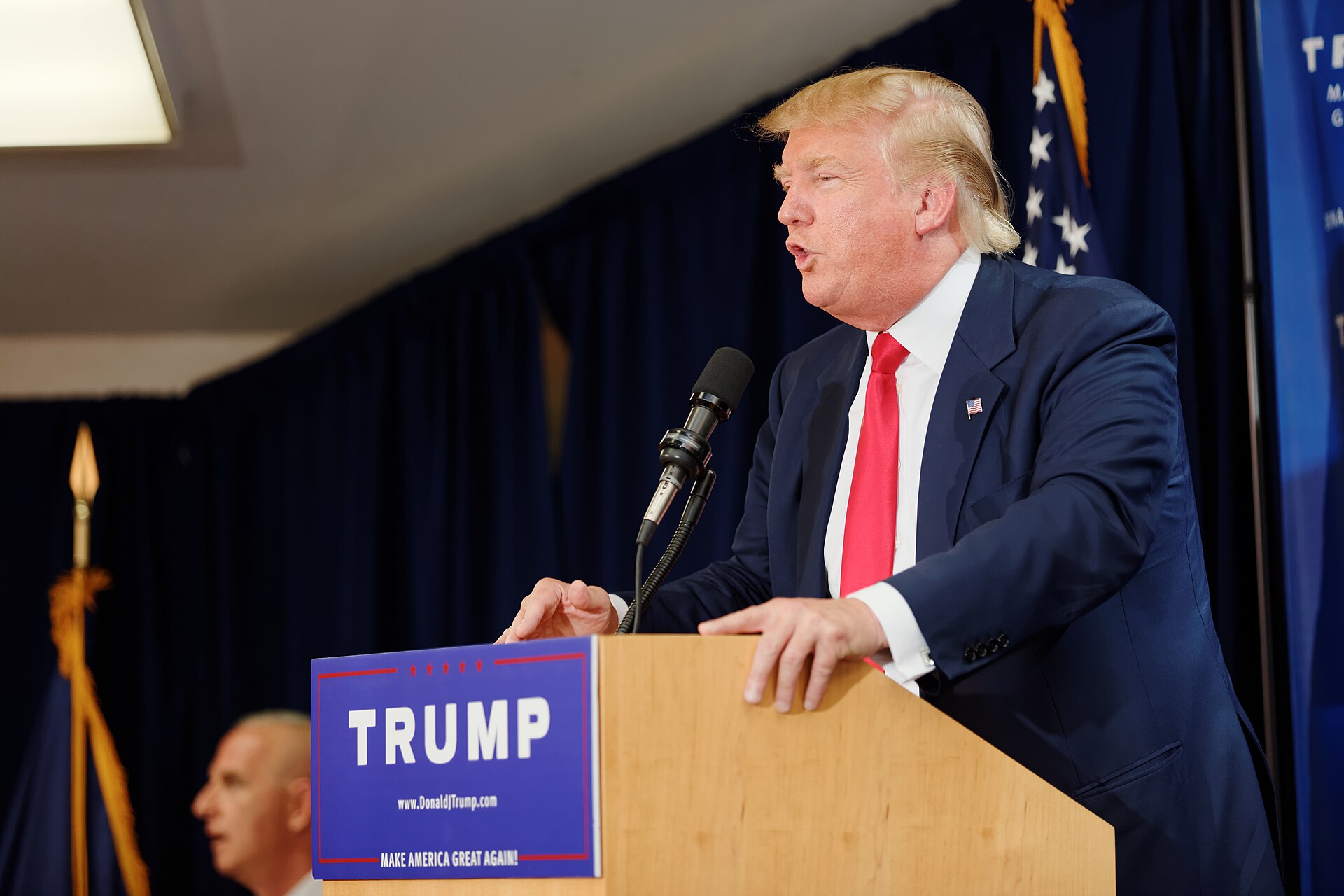
In a move that has ignited a fierce political storm, former President Donald Trump announced an agreement with Russian President Vladimir Putin to import over 300,000 tons of Russian diesel into the U.S. This decision, ostensibly aimed at alleviating high fuel costs, has instead drawn significant bipartisan criticism.
The backlash is led by a bipartisan group of six U.S. senators, including four Republicans and two Democrats, who have demanded that the White House abandon the deal. They argue that it contradicts the 2022 ban on Russian energy imports and potentially provides financial support to Moscow amid its ongoing conflict with Ukraine.
Trump, however, remains defiant. He took to Truth Social to argue that the European Union’s payments to Russia dwarf the U.S. deal and insisted that his decision is in the best interest of American consumers. Yet, this defense has done little to quell the growing discontent among his own party members.
Beyond domestic politics, the controversy extends to international relations, particularly with Ukraine. Ukrainian President Volodymyr Zelenskyy dismissed Trump’s declaration of an “energy truce” with Moscow, pointing out that Russian attacks on Ukrainian energy infrastructure have not ceased.
The implications of this deal are profound. Analysts note that the anticipated fuel price relief may be negligible, casting doubt on whether the geopolitical and legal risks are worth the potential benefits. As the situation develops, the U.S. administration faces a critical decision: to either back down or proceed with the contentious agreement.
” The Los Angeles Times and AP both said lawmakers are arguing the plan may conflict with the law Congress passed in spring 2022 banning Russian energy imports, turning what Trump framed as a price-relief measure into a possible separation-of-powers fight over whether the White House can effectively nullify an existing sanctions regime on its own. 25 million barrels tied to the arrangement may only marginally ease fuel costs, meaning the administration may have accepted a dramatic Russia-policy reversal without securing the kind of price drop that would justify the gamble before the midterms.
Analysts cited by AP said the shipment is unlikely to do much to lower prices, making the political blowback more damaging because Trump may be taking on major legal and geopolitical risk for only marginal consumer relief. According to The Washington Post, he wrote on Truth Social Monday morning, “The European Union paid Russia 250 Billion Dollars for Energy, and the Fake News Media doesn’t want to get near that story.
AP reported Monday that Trump also declared an “energy truce” between Moscow and Kyiv effective immediately, but Ukrainian President Volodymyr Zelenskyy said Russia kept attacking Ukraine’s energy facilities anyway. Republicans who already faced internal divisions over Russia are now being pulled between loyalty to Trump and a record of backing energy sanctions on Moscow, while Democrats are pressing the charge that the president is financing Putin’s war machine.
AP reported that a bipartisan group of six senators, including four Republicans and two Democrats, issued a public demand over the weekend for the White House to back off. The central conflict now is no longer whether the deal is controversial; it is whether Congress or the courts can force a retreat before the diesel starts flowing under the sanctions rollback.
Axios reported that the diesel arrangement has become a fresh political burden for GOP candidates because it combines high gas prices, sanctions policy, and Trump’s personal relationship with Putin into one election-season test. What happens next, based on the latest reporting, is a fast-moving confrontation this week over whether the administration backs down or doubles down.
According to The Washington Post, he wrote on Truth Social Monday morning, “The European Union paid Russia 250 Billion Dollars for Energy, and the Fake News Media doesn’t want to get near that story. AP reported Monday that Trump also declared an “energy truce” between Moscow and Kyiv effective immediately, but Ukrainian President Volodymyr Zelenskyy said Russia kept attacking Ukraine’s energy facilities anyway.
senators, including four Republicans and two Democrats, who have demanded that the White House abandon the deal. administration faces a critical decision: to either back down or proceed with the contentious agreement.
AP reported that a bipartisan group of six senators, including four Republicans and two Democrats, issued a public demand over the weekend for the White House to back off. What happens next, based on the latest reporting, is a fast-moving confrontation this week over whether the administration backs down or doubles down.
Ukrainian President Zelenskyy criticized the so-called “energy truce” — he noted Russia continued attacks on Ukraine’s energy facilities. Ukrainian President Volodymyr Zelenskyy dismissed Trump’s declaration of an “energy truce” with Moscow, pointing out that Russian attacks on Ukrainian energy infrastructure have not ceased.
fuel prices — raising questions about the political and legal risks involved. This decision, ostensibly aimed at alleviating high fuel costs, has instead drawn significant bipartisan criticism.
The scale and speed of this development has caught many observers off guard. Each new update adds another dimension to a story that is still unfolding, and the full picture will only become clear as more verified details emerge from the people and institutions directly involved.
Analysts who have tracked this issue closely say the current moment represents a genuine turning point. The decisions made in the coming weeks are expected to set the direction for months ahead, with ripple effects likely to extend well beyond the immediate actors in the story.
For those directly affected, the practical impact is already visible. People navigating this fast-changing situation are dealing with real consequences while new information continues to reshape what is known and what remains open to interpretation.
Historical parallels offer some context, though experts caution against drawing too close a comparison. Similar situations have played out before, but the specific combination of pressures, personalities, and timing here makes this moment distinct in ways that matter for how it ultimately resolves.
The political and economic dimensions of this story are deeply intertwined. What appears as a single event on the surface is in practice the convergence of multiple pressures that have been building quietly over a longer period than most public reporting has captured.