

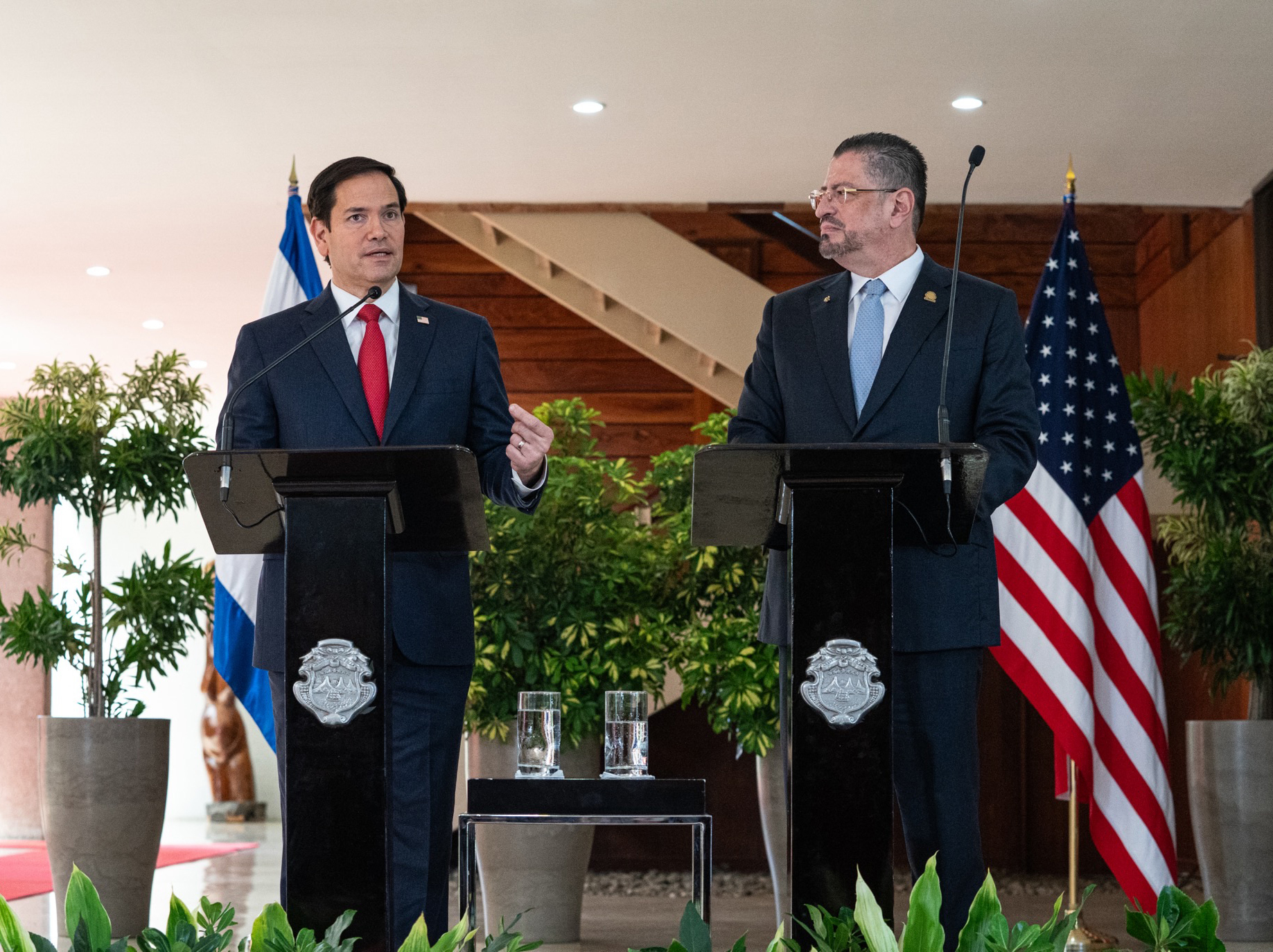

Quick Summary: US Journalists Assault in West Bank Raises International Concerns
- Marco Rubio urged Israel to address settler violence — the call followed the assault on a US journalist in the West Bank.
- At least 170 attacks by settlers have occurred since September 27 — these incidents coincide with the start of the olive harvest.
- Heidi Levine, a Washington Post journalist, was attacked — the assault left her needing surgery, raising diplomatic concerns.
- Rubio’s remarks came after video footage of the attack spread — he expressed being ‘very disturbed’ by the footage.
- The violence has also targeted European diplomats — this broadens the issue beyond a single attack, increasing international pressure.
Source: Open external resource
Source: Read original article
Marco Rubio has laid down a critical challenge to Israel: curb the escalating settler violence in the West Bank. This comes on the heels of a disturbing attack on American journalist Heidi Levine, whose assault was caught on camera, prompting Rubio to publicly demand action. US is at the center of this development.
Since late September, when the olive harvest began, settlers have launched at least 170 attacks on Palestinians, foreigners, and journalists. The violence reached a new peak when Levine, a photojournalist for the Washington Post, was brutally attacked, requiring surgery. This incident has transformed a regional issue into a potential diplomatic clash between the US and Israel.
Rubio’s call for Israel to ‘crack down’ on the violence wasn’t just rhetoric. It followed the widespread dissemination of the attack video, which left the US Senator ‘very disturbed.’ The US State Department has already initiated inquiries, underscoring the seriousness of the situation. Meanwhile, reports of settlers attacking European diplomats further complicate Israel’s position, as international scrutiny intensifies.
The broader context reveals a pattern of aggression during the sensitive olive harvest period, with multiple attacks on various groups. Rubio’s demand for decisive Israeli action highlights a growing impatience with the ongoing violence and a clear expectation for accountability.
As the situation unfolds, the focus will be on Israel’s response. Will there be arrests or prosecutions? Will Washington escalate its stance? These questions loom large as the international community watches closely, waiting for Israel’s next move.
Reuters reported, citing the Israeli monitoring group Yesh Din, that settlers have been involved in at least 170 attacks on Palestinians since September 27, around the start of the annual olive harvest. Rubio said the US wants Israel to “crack down” on the violence and was “very disturbed” by the video, according to Reuters-based reports published October 17 and October 18.
Reuters, carried by The Economic Times and others on October 18, said Rubio’s remarks came after “widespread dissemination” of video showing multiple people attacking her, while AP reported that the assault left the American journalist needing surgery. The immediate timeline is tight: Levine was assaulted on October 16, Rubio spoke on October 17, The Economic Times moved the Reuters story on October 18, and AP’s latest reports say police and the Foreign Ministry were being engaged after attacks involving diplomats.
AP separately described the violence as coming during the “sensitive olive harvest,” and reported that attacks hit not only Palestinians but also foreigners and journalists over successive days. AP also reported that the US ambassador to Israel condemned the assault, reinforcing that this is not just an offhand remark by Rubio but part of a broader US message.
The most consequential detail in the latest reporting is that Rubio publicly linked US concern to a specific assault captured on video, saying he was “very disturbed” by the footage and confirming that the State Department had already inquired about the incident involving Levine. That combination — public condemnation, a formal US inquiry, and a serious injury to a US citizen working for a major American newspaper — is what elevates this from another West Bank violence story into a potentially bilateral issue between Washington and Jerusalem.
Within the same weekend news cycle, AP reported not only the condemnation over Levine’s attack but also a separate assault on European diplomats in the West Bank, suggesting that the problem is intensifying rather than cooling after US criticism. The next meaningful developments to watch are whether Israel announces arrests or prosecutions, whether Washington escalates beyond expressions of concern, and whether European governments push sanctions or other measures after the reported attack on their diplomats.
‘ The US State Department has already initiated inquiries, underscoring the seriousness of the situation. Rubio’s demand for decisive Israeli action highlights a growing impatience with the ongoing violence and a clear expectation for accountability.
AP separately described the violence as coming during the “sensitive olive harvest,” and reported that attacks hit not only Palestinians but also foreigners and journalists over successive days. That combination — public condemnation, a formal US inquiry, and a serious injury to a US citizen working for a major American newspaper — is what elevates this from another West Bank violence story into a potentially bilateral issue between Washington and Jerusalem.
The scale and speed of this development has caught many observers off guard. Each new update adds another dimension to a story that is still unfolding, and the full picture will only become clear as more verified details emerge from the people and institutions directly involved.
Analysts who have tracked this issue closely say the current moment represents a genuine turning point. The decisions made in the coming weeks are expected to set the direction for months ahead, with ripple effects likely to extend well beyond the immediate actors in the story.
For those directly affected, the practical impact is already visible. People navigating this fast-changing situation are dealing with real consequences while new information continues to reshape what is known and what remains open to interpretation.
Historical parallels offer some context, though experts caution against drawing too close a comparison. Similar situations have played out before, but the specific combination of pressures, personalities, and timing here makes this moment distinct in ways that matter for how it ultimately resolves.
The political and economic dimensions of this story are deeply intertwined. What appears as a single event on the surface is in practice the convergence of multiple pressures that have been building quietly over a longer period than most public reporting has captured.