

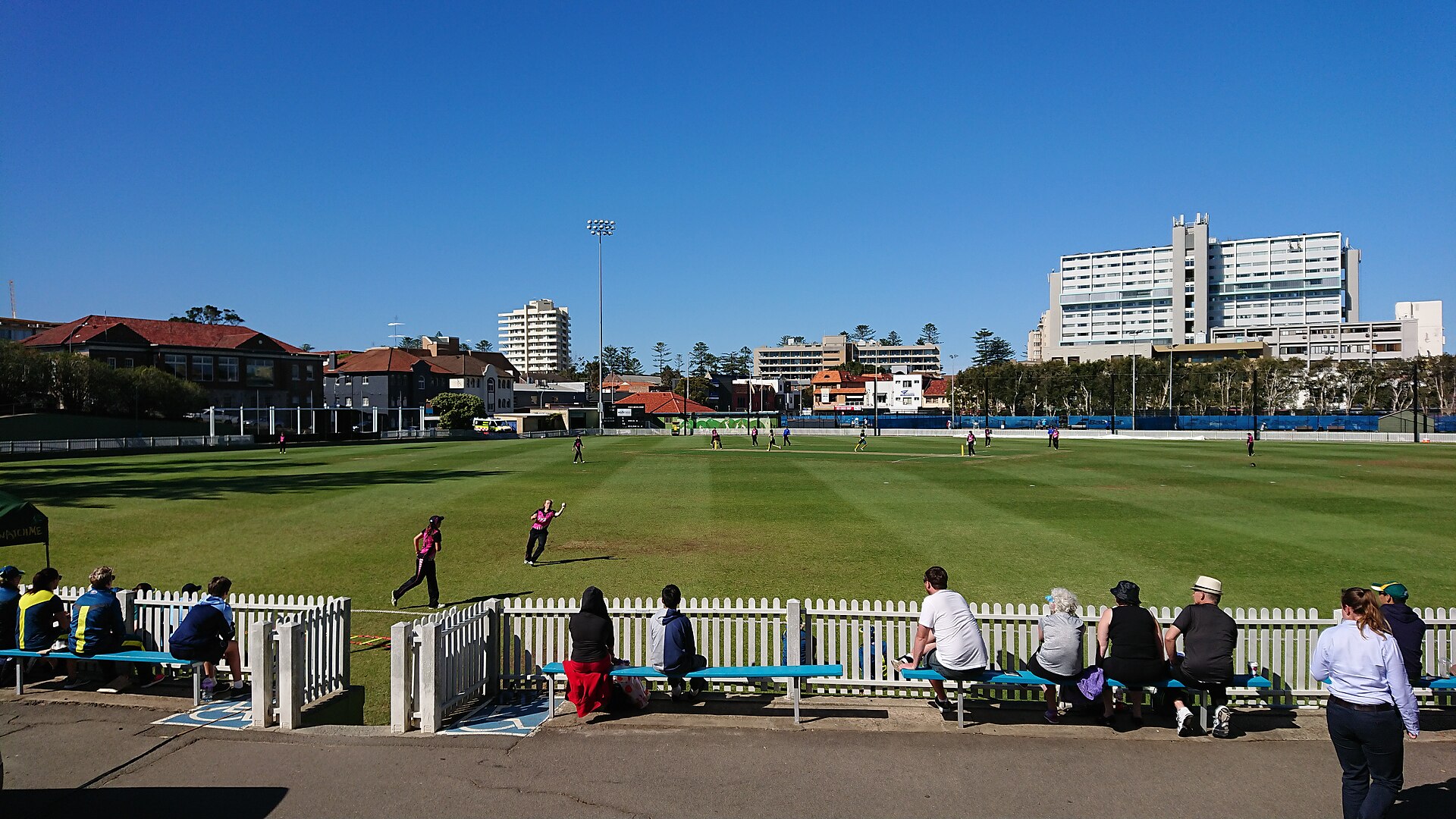

Quick Summary: U.s. Womens Cricket Team Risks Olympic Spot as ICC Alters Qualification Rules
- On October 23, 2026, the ICC calendar revealed the Olympic cricket qualifiers were moved to early 2028 — impacting team preparations.
- The final qualifying tournaments for both men and women are now set for January-February 2028 — locations remain unannounced.
- The U.S. women’s team must rank in the top 15 by December 31, 2026, to secure a host spot — failure could shift their berth to the 2027 Women’s Champions Trophy.
- The ICC’s rule change means the U.S. women could lose their Olympic spot — a dramatic shift from previous ranking-based selection.
- The compressed timeline leaves limited preparation time — raising logistical and competitive challenges for all involved teams.
Source: Open external resource
Source: Read original article
The road to the LA Olympics just got bumpier for cricket, with the ICC moving the final qualifiers to early 2028. This sudden shift, announced on October 23, 2026, forces teams to recalibrate their strategies with less than six months before the Games. The stakes are particularly high for the U.S. women’s team, whose Olympic dreams hinge on meeting a top-15 ranking by the end of 2026.
This isn’t just a scheduling hiccup—it’s a seismic shift in how Olympic spots are awarded. The ICC’s decision to tie the U.S. women’s qualification to the 2027 Women’s Champions Trophy in India, should they miss the ranking cutoff, transforms what was a predictable process into a high-stakes competition. The U.S. men, meanwhile, are on track but face a similarly tight deadline.
The new timeline leaves little room for error, not just for the U.S. but for all teams eyeing the Olympics. With the qualifiers now set for January and February 2028, teams have a narrow window for preparation and logistics. The ICC’s decision has sparked debate over fairness and feasibility, with critics questioning the compressed schedule and the impact on smaller cricketing nations.
As the clock ticks down to December 31, 2026, the U.S. women’s team faces a critical juncture. Their ability to clinch a spot hinges not just on rankings but on performance in a separate ICC event—an unprecedented twist that adds layers of complexity to an already challenging path to the Olympics.
On October 23, 2026, multiple outlets reported from the newly circulated ICC calendar after the Dubai meetings that the Olympic qualifiers had been moved to early 2028. Then, in January and February 2028, the last-chance Olympic qualifiers will be staged for both men and women, though the host locations still have not been announced.
According to the latest calendar circulated after ICC meetings in Dubai in October 2026, each qualifier will feature eight teams, and each Olympic tournament itself will have only six teams, sharply compressing the path into the Games. 19 and must get inside the top 15 by December 31, 2026, to take the host place directly.
13 and are described as being on course to satisfy the same top-15 requirement during the men’s qualification period running from June 30 to December 31, 2026. The qualifiers were “initially scheduled for 2027” and are now being pushed into January-February 2028, which means the final qualifying route will be decided only months before the Olympics.
Reporting says the dates appeared on a global events calendar sent by the ICC to member boards after the October 2026 Dubai meetings. women a ranking deadline and could shift the final Olympic berth to the 2027 Women’s Champions Trophy,” which is a much more dramatic outcome than a routine calendar adjustment.
After that comes the Women’s Champions Trophy in India in February 2027, which could effectively decide the women’s redistributed berth if the Americans fall short. Cricket’s road back to the Olympics has abruptly tightened, with the ICC now shifting the final LA28 qualifying tournaments into January and February 2028 and quietly rewriting the women’s host-entry rule in a move that puts the United States’ Olympic spot in real doubt.
women’s team must rank in the top 15 by December 31, 2026, to secure a host spot — failure could shift their berth to the 2027 Women’s Champions Trophy. women’s team, whose Olympic dreams hinge on meeting a top-15 ranking by the end of 2026.
women’s qualification to the 2027 Women’s Champions Trophy in India, should they miss the ranking cutoff, transforms what was a predictable process into a high-stakes competition. The qualifiers were “initially scheduled for 2027” and are now being pushed into January-February 2028, which means the final qualifying route will be decided only months before the Olympics.
The scale and speed of this development has caught many observers off guard. Each new update adds another dimension to a story that is still unfolding, and the full picture will only become clear as more verified details emerge from the people and institutions directly involved.
Analysts who have tracked this issue closely say the current moment represents a genuine turning point. The decisions made in the coming weeks are expected to set the direction for months ahead, with ripple effects likely to extend well beyond the immediate actors in the story.
For those directly affected, the practical impact is already visible. People navigating this fast-changing situation are dealing with real consequences while new information continues to reshape what is known and what remains open to interpretation.
Historical parallels offer some context, though experts caution against drawing too close a comparison. Similar situations have played out before, but the specific combination of pressures, personalities, and timing here makes this moment distinct in ways that matter for how it ultimately resolves.
The political and economic dimensions of this story are deeply intertwined. What appears as a single event on the surface is in practice the convergence of multiple pressures that have been building quietly over a longer period than most public reporting has captured.