

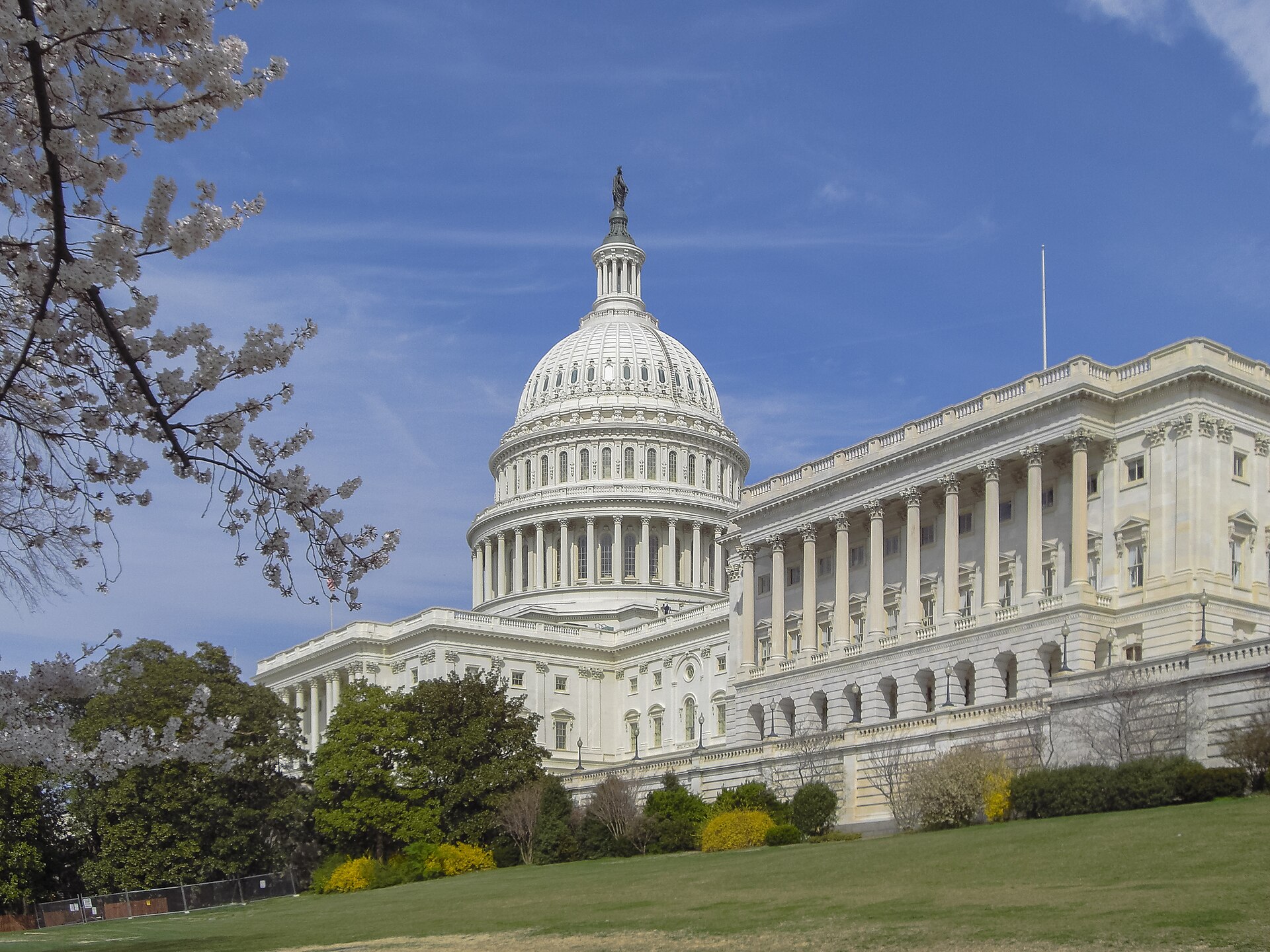

Quick Summary: Dark Money Disclosure Rules Ignite West Virginia Senate Dispute
- John Turley highlighted transactional politics, citing tight timing between donations and political actions.
- West Virginia Senate debates centered on campaign contribution limits and dark-money disclosure rules.
- Recent campaign-finance reports reveal massive funds moving outside traditional structures.
- West Virginia’s campaign finance deadline spotlighted disclosure over fundraising totals.
- Nationally, upcoming filings and donor-access stories may drive new developments.
Source: Open external resource
Source: Read original article
John Turley has reignited the debate over who truly pays for American politics by spotlighting the transactional nature of campaign finance. His commentary draws attention to the murky waters where donations and political favors seem to intertwine, raising questions about the integrity of our political system. West is at the center of this development.
In West Virginia, the battle over campaign finance reform is heating up. Republicans have pushed to increase contribution limits, but Democrats are countering with demands for stricter disclosure rules to combat dark-money influence. This tug-of-war highlights the ongoing struggle to balance fundraising needs with transparency.
Nationally, the latest campaign-finance reports underscore the growing complexity and scale of political funding. With enormous sums flowing through super PACs and nonprofit channels, the line between legal donations and influence-peddling blurs further. The stakes are high as new filings and investigative reports could unveil more about donor influence in politics.
As the October 7 deadline for campaign finance reporting in West Virginia passes, the focus sharpens on disclosure. Secretary of State Kris Warner emphasizes the importance of transparency, urging all campaign accounts to comply with reporting requirements. This move underscores the need for accountability in the political funding landscape.
With the machinery of campaign finance becoming more sophisticated and the sums involved growing larger, the debate over whether this is standard political practice or legalized influence-peddling becomes ever more pressing. The coming months will likely bring fresh revelations and further scrutiny of the money fueling American politics.
In a recent John Turley commentary published elsewhere on the same broad subject, he pointed to reporting that donors to Trump-related efforts collectively won roughly $50 billion in federal contracts after giving, while also noting MAGA Inc. Turley’s own formulation was that the system looks “transactional in a soft, ambient sense,” and he singled out examples with unusually tight timing, including “a pardon three days after a donation,” an SEC settlement following a $75 million investment, and a separate pardon linked to a business partner’s exchange.
In the West Virginia Senate, Republicans once backed raising the maximum allowable contribution to a state candidate from $1,000 to $2,700 per candidate per election, but Democrats responded by attaching stronger disclosure rules for dark-money groups designed to stop organizations from routing money through one another to hide the original source. ” is not a new Gazette-Mail update at all, but a new wave of October 2026 campaign-finance reporting and commentary showing that the same donor-power arguments raised in John Turley’s opinion are now colliding with live filing deadlines, disclosure fights, and evidence of huge money flowing around formal campaign structures.
entered 2026 with a $300 million stockpile. Nationally, the next major development will likely come from fresh quarterly filings, investigative follow-ups on donor-access stories, and any official action tied to disclosure, contracting, or ethics questions.
In an earlier Gazette-Mail-referenced account of state election-law rulemaking, commissioners said there was no dollar threshold in the law for requiring certain disclosures, and Secretary of State chief of staff Chuck Flannery defended a “common sense” approach to defining which groups count as political committees. ” Warner’s office specifically highlighted that every open account, “even those that have no activity to report,” had to file by Wednesday, October 7, to avoid statutory late fees.
The state’s tool now lets users search “who has donated to a candidate or committee,” “which candidates and committees a person has donated to,” and independent expenditures, underscoring that the live fight is over disclosure as much as fundraising totals. The core controversy remains the same one that has defined campaign-finance combat for years but now feels newly urgent because of current disclosures: whether large donors are simply buying influence, or whether, as defenders argue, the evidence shows correlation rather than an illegal quid pro quo.
Turley’s own formulation was that the system looks “transactional in a soft, ambient sense,” and he singled out examples with unusually tight timing, including “a pardon three days after a donation,” an SEC settlement following a $75 million investment, and a separate pardon linked to a business partner’s exchange. In the West Virginia Senate, Republicans once backed raising the maximum allowable contribution to a state candidate from $1,000 to $2,700 per candidate per election, but Democrats responded by attaching stronger disclosure rules for dark-money groups designed to stop organizations from routing money through one another to hide the original source.
(Opinion) – Charleston Gazette-Mail John Turley highlighted transactional politics, citing tight timing between donations and political actions. ” is not a new Gazette-Mail update at all, but a new wave of October 2026 campaign-finance reporting and commentary showing that the same donor-power arguments raised in John Turley’s opinion are now colliding with live filing deadlines, disclosure fights, and evidence of huge money flowing around formal campaign structures.
This tug-of-war highlights the ongoing struggle to balance fundraising needs with transparency. Quick Summary: John Turley: Who pays for American politics?
The scale and speed of this development has caught many observers off guard. Each new update adds another dimension to a story that is still unfolding, and the full picture will only become clear as more verified details emerge from the people and institutions directly involved.
Analysts who have tracked this issue closely say the current moment represents a genuine turning point. The decisions made in the coming weeks are expected to set the direction for months ahead, with ripple effects likely to extend well beyond the immediate actors in the story.
For those directly affected, the practical impact is already visible. People navigating this fast-changing situation are dealing with real consequences while new information continues to reshape what is known and what remains open to interpretation.
Historical parallels offer some context, though experts caution against drawing too close a comparison. Similar situations have played out before, but the specific combination of pressures, personalities, and timing here makes this moment distinct in ways that matter for how it ultimately resolves.
The political and economic dimensions of this story are deeply intertwined. What appears as a single event on the surface is in practice the convergence of multiple pressures that have been building quietly over a longer period than most public reporting has captured.