


Quick Summary: White House Announces $15 Billion Steel Plant to Boost GOP in Iowa
- Trump announced a $15 billion steel plant in Iowa, aiming to boost Republican candidates.
- A $54 billion South Korea-backed Alaska gas project is under scrutiny for lacking finalized investment.
- The White House’s investment announcements are seen as political tools for upcoming elections.
- Critics argue that many projects are provisional and politically timed.
- High energy costs in Alaska add pressure to the White House’s economic promises.
Source: Open external resource
Source: Read original article
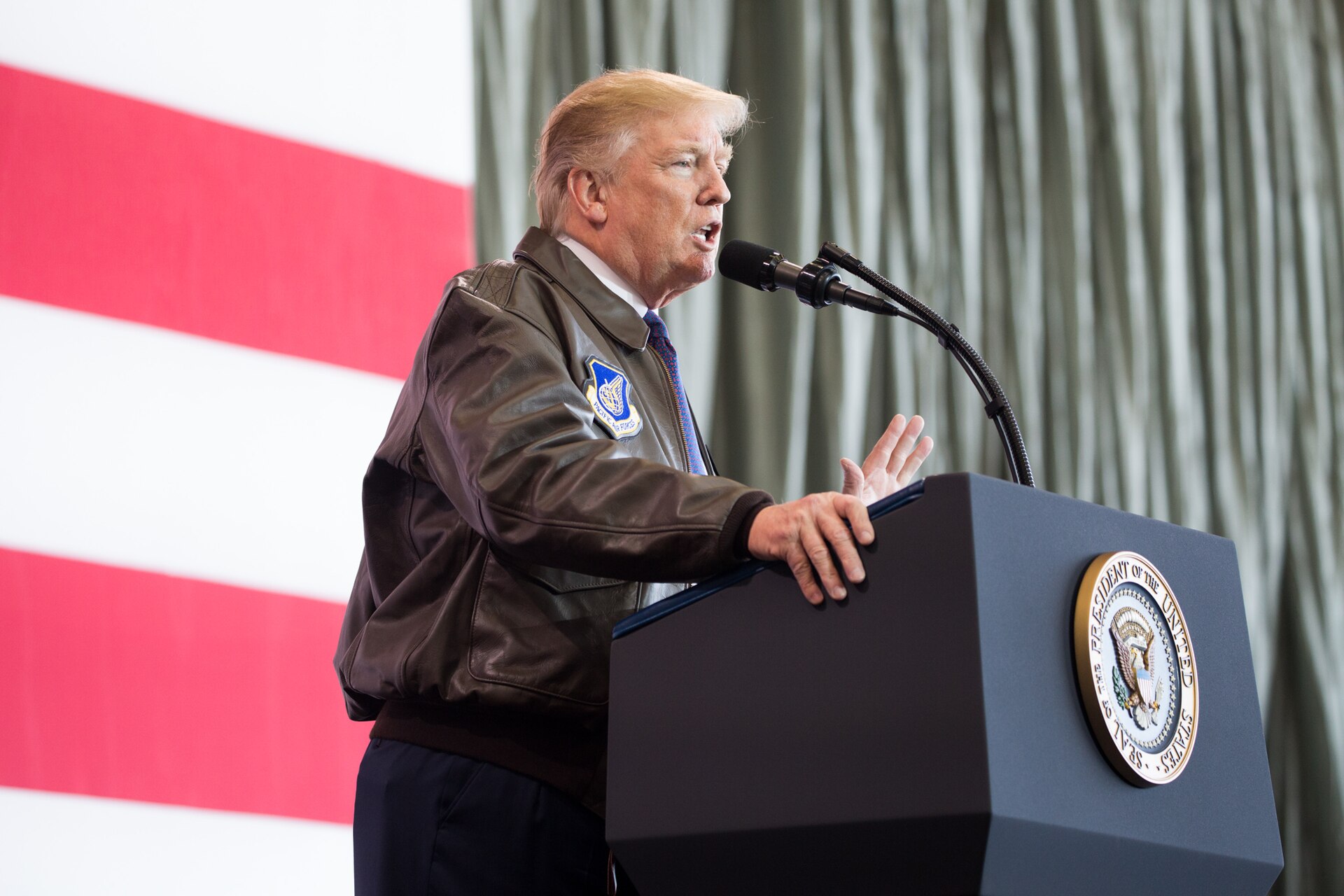
In a bold political maneuver, the White House is rolling out massive investment announcements in key states, hoping to sway upcoming elections. With President Trump at the helm, these announcements are strategically timed to boost Republican candidates in pivotal races.
Among the most eye-catching is the $54 billion Alaska gas project, touted as a game-changer. However, South Korean officials have thrown cold water on the claims, stating that the investment is not yet finalized. This highlights a recurring theme: the gap between political rhetoric and economic reality.
The stakes are high, with the administration’s strategy being scrutinized as more of a campaign tactic than genuine economic development. Critics argue that these announcements are provisional, serving as political props rather than concrete commitments.
As the election approaches, the White House’s promises face the ultimate test: will voters buy into the grand visions, or will they demand proof beyond the headlines? The coming weeks will reveal whether these political gambits translate into electoral success or backfire under scrutiny.
The Post says the White House has clawed back more than $800 million in congressionally approved spending across the government, drawing criticism even from Republicans, including Sen. AP reported Wednesday that Trump said South Korea would invest about $54 billion in the Alaska project, an 807-mile pipeline linking the North Slope to a liquefied natural gas export terminal in southern Alaska.
On Monday, Trump announced a $15 billion steel plant in Iowa alongside Republican candidates Ashley Hinson and Mariannette Miller-Meeks, plus Gov. The sharpest new wrinkle in this story is that the White House is staging splashy investment announcements in competitive Senate states, but one of its biggest claims — a $54 billion South Korea-backed Alaska gas project — was almost immediately undercut by South Korean officials saying the investment is not finalized and still must pass a commercial-viability review.
AP says the plant, backed by Mesabi Metallics and India’s Essar Group, is expected to produce 10 million tons of steel a year and that Trump called it the future largest steel plant in the country. Sullivan has pushed a diesel export ban to bring down domestic prices, a proposal the Post says is generating intense debate inside the administration.
2 trillion, and that only “a small fraction” of many announced investments has actually been deployed. The Washington Post’s latest reporting says the administration is trying to turn big-dollar project announcements into late-cycle political fuel in a handful of key races, with President Donald Trump using the White House this week to elevate Republican candidates in Alaska, Iowa, Oklahoma and Alabama.
But the reporting also shows the administration colliding with its own economic message. Susan Collins of Maine, who is also in a tight reelection race.
A $54 billion South Korea-backed Alaska gas project is under scrutiny for lacking finalized investment. Among the most eye-catching is the $54 billion Alaska gas project, touted as a game-changer.
The Washington Post’s latest reporting says the administration is trying to turn big-dollar project announcements into late-cycle political fuel in a handful of key races, with President Donald Trump using the White House this week to elevate Republican candidates in Alaska, Iowa, Oklahoma and Alabama. This highlights a recurring theme: the gap between political rhetoric and economic reality.
The stakes are high, with the administration’s strategy being scrutinized as more of a campaign tactic than genuine economic development. With President Trump at the helm, these announcements are strategically timed to boost Republican candidates in pivotal races.
The scale and speed of this development has caught many observers off guard. Each new update adds another dimension to a story that is still unfolding, and the full picture will only become clear as more verified details emerge from the people and institutions directly involved.
Analysts who have tracked this issue closely say the current moment represents a genuine turning point. The decisions made in the coming weeks are expected to set the direction for months ahead, with ripple effects likely to extend well beyond the immediate actors in the story.
For those directly affected, the practical impact is already visible. People navigating this fast-changing situation are dealing with real consequences while new information continues to reshape what is known and what remains open to interpretation.
Historical parallels offer some context, though experts caution against drawing too close a comparison. Similar situations have played out before, but the specific combination of pressures, personalities, and timing here makes this moment distinct in ways that matter for how it ultimately resolves.
The political and economic dimensions of this story are deeply intertwined. What appears as a single event on the surface is in practice the convergence of multiple pressures that have been building quietly over a longer period than most public reporting has captured.