



Quick Summary
- Anthropic’s IPO raised US$107 billion but failed to stabilize the AI sector, leading to market uncertainty.
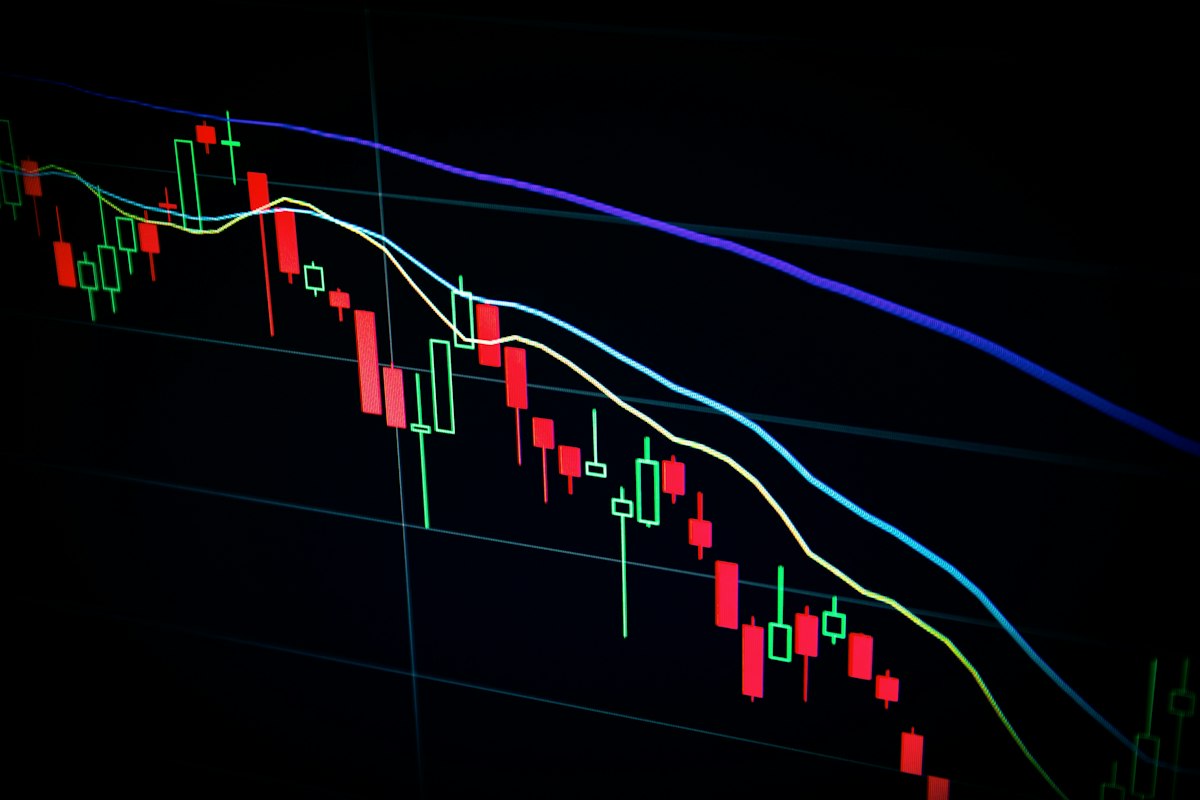
- The S&P 500 fell into correction territory, with AI-linked shares leading the decline.
- Australian job data disappointed, indicating a weaker macroeconomic backdrop.
- New Zealand showed potential recovery with a rise in its PSI to 51.7, contrasting global trends.
- Investors are questioning the sustainability of AI investments amid political and infrastructure challenges.
AI Market: Key Takeaways
The AI market is reeling from a shock that few anticipated. Despite Anthropic’s massive US$107 billion IPO, the sector remains unstable, with the S&P 500 slipping into correction territory. Investors are now questioning whether the AI boom can justify its cost, treating the IPO less as a triumph and more as a stress test.
The market’s reaction to Anthropic’s debut underscores a critical shift in sentiment. The S&P 500’s drop, coupled with a steep decline in AI-linked shares, reflects growing skepticism about the sector’s sustainability. The once-celebrated AI narrative is now under scrutiny, with investors demanding clearer paths to profitability.
S. Australian labor market data added to the unease, showing unexpected weakness and raising concerns about the region’s growth prospects. Meanwhile, New Zealand stands out with a positive PSI reading, hinting at a potential recovery amid global market stress.
As the AI sector grapples with concentration risks and political resistance to infrastructure expansion, the question remains: Can AI investments deliver tangible returns, or is the market’s excitement premature? The Anthropic IPO was meant to validate the AI trade, but it has instead highlighted the sector’s fragility.
nz reported that Anthropic and its seven co-founders raised US$107 billion at US$83 a share in its IPO and private placement, making it “the first frontier AI lab tapping public markets” on this scale, while AP and ABC both emphasized that even such a huge capital event could not stabilize the sector. The Atlantic added another layer by highlighting the enormous capital intensity behind Anthropic’s model, including roughly $900 billion in commitments for chips and data centers, which helps explain why investors are suddenly asking harder questions about returns, not just revenue growth.
5%, underscoring that the market is no longer rewarding AI exposure automatically. The most important development in the latest reporting is the market’s reversal in how it is reading AI news: even after Anthropic’s heavily watched debut, the S&P 500 fell into correction territory, more than 10% below its October 6 record, while the Nasdaq’s slide deepened and AI-linked shares led the selling.
nz said Australia’s labor market “weakens sharply,” with what had been expected to be a rebound of about +25,000 jobs in October failing to materialize, and full-time employment also slipping. ” That means investors are now pricing not just earnings risk, but permitting, power, and political resistance.
The Australian data in the latest regional reporting adds to that caution. The cross-market setup is therefore unusually fragile: a US tech-led correction, an AI funding event that did not soothe nerves, and Australian employment data that points to a less robust macro backdrop.
Multiple reports say fears of an AI bubble are being worsened by backlash against data-center expansion, with ABC noting that candidates favoring a slowdown in data-center construction scored wins in recent midterm elections, and The Business Times saying Democratic victories increased the risk that such projects will slow because many candidates ran on blocking them. That matters because BusinessDesk had flagged Australian job data as one of the week’s key catalysts, and weak labor figures raise the chance that the region’s growth pulse is softer than hoped just as global equities are repricing risk.
The S&P 500 fell into correction territory, with AI-linked shares leading the decline.
The scale and speed of this development has caught many observers off guard. Each new update adds another dimension to a story that is still unfolding, and the full picture will only become clear as more verified details emerge from the people and institutions directly involved.
Analysts who have tracked this issue closely say the current moment represents a genuine turning point. The decisions made in the coming weeks are expected to set the direction for months ahead, with ripple effects likely to extend well beyond the immediate actors in the story.
For those directly affected, the practical impact is already visible. People navigating this fast-changing situation are dealing with real consequences while new information continues to reshape what is known and what remains open to interpretation.
Historical parallels offer some context, though experts caution against drawing too close a comparison. Similar situations have played out before, but the specific combination of pressures, personalities, and timing here makes this moment distinct in ways that matter for how it ultimately resolves.
The political and economic dimensions of this story are deeply intertwined. What appears as a single event on the surface is in practice the convergence of multiple pressures that have been building quietly over a longer period than most public reporting has captured.