



Quick Summary
- China controls 91% of global rare-earth refining, impacting global trade dynamics.
- Trump, Xi, and Putin’s meeting at APEC is a diplomatic turning point.
- Putin sees potential benefits in the APEC and trilateral meetings.
- Trump plans to discuss Iran in the trilateral meeting.
- The summit could influence global trade, technology, and supply chains.
APEC Summit: Key Takeaways
In the world of high-stakes diplomacy, the APEC summit in Shenzhen has become the focal point of international attention. This is no ordinary photo-op; it’s a strategic chessboard where Donald Trump, Xi Jinping, and Vladimir Putin are the main players. The stakes are enormous, with implications that could ripple across global trade and geopolitical landscapes.
The surprise addition of a Trump-Putin bilateral meeting alongside the planned trilateral session with Xi has elevated this summit from mere symbolism to a potential turning point. As Putin speaks of ‘substantial potential benefit’ and Trump hints at discussing Iran, the world watches closely. This isn’t just about optics; it’s about the realignment of power and influence.
China’s dominance in rare-earth refining, controlling 91% of global capacity, adds a layer of urgency to these discussions. Any agreement between Trump and Xi could reshape supply chains and technology sectors worldwide. Meanwhile, European leaders are keenly observing, aware that any shifts here could disrupt the current economic order.
The rapid sequence of events leading up to this summit has caught many by surprise, highlighting the fluid nature of international relations. As the leaders prepare to address the APEC forum, the question remains: will this summit produce tangible outcomes or remain a diplomatic spectacle?
officials confirmed Donald Trump will not only join Xi Jinping and Vladimir Putin for a first-of-its-kind trilateral in Shenzhen on Thursday, November 19, 2026, but also hold a separate one-on-one meeting with Putin, dramatically raising the diplomatic stakes around what began as a choreographed public encounter. official who said Trump intends to raise Iran.
Axios added that China controls 91% of global rare-earth refining capacity, a statistic that helps explain why allies are uneasy: any Trump-Xi bargain on trade, technology or supply chains could reverberate well beyond the room. Times of India described the encounter as “historic handshakes,” while Reuters’ video item said the leaders would first address the APEC forum early Thursday before Trump holds a bilateral with Xi and then the trilateral session.
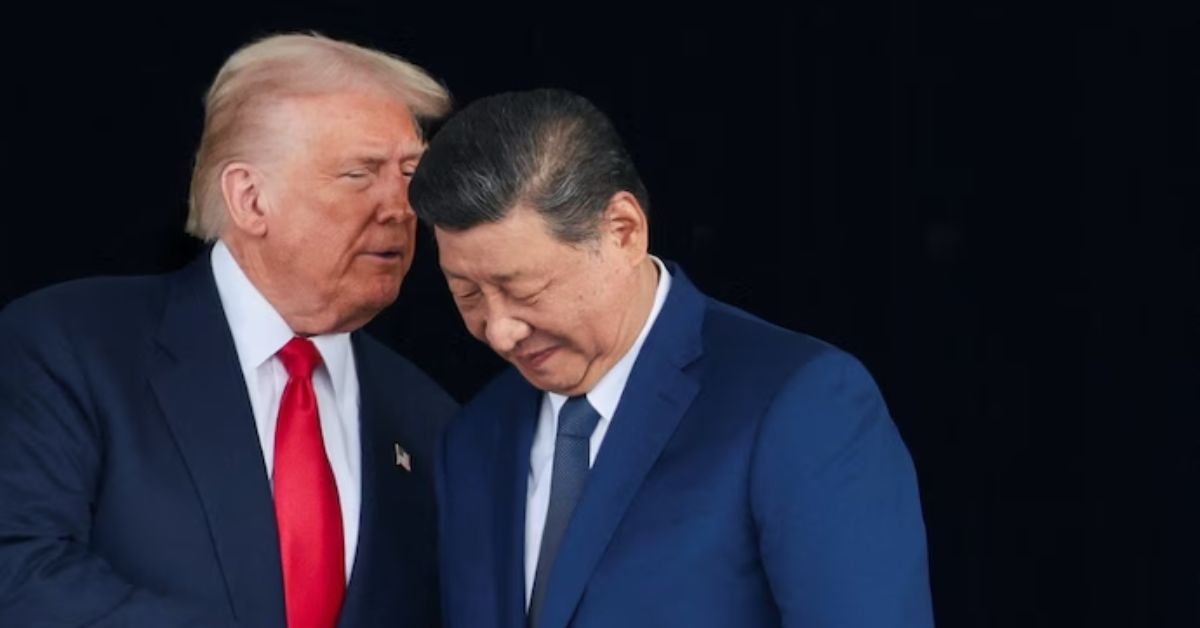
Yonhap likewise reported Trump entered the venue for the group photo and shook hands with Xi, underscoring that the visuals were not incidental but part of a carefully staged diplomatic sequence. ABC reported that Putin said on Wednesday he sees “substantial potential benefit” in gatherings such as APEC and the trilateral, language that signals Moscow believes it can convert summit optics into concrete leverage.
European leaders were reportedly discussing the summit behind closed doors last week, according to Axios, a sign that allied governments see this as potentially disruptive rather than merely theatrical. official to the Associated Press on November 18.
The immediate scene that is driving headlines came Wednesday, November 18, when Putin approached Trump ahead of the APEC “family photo” in Shenzhen and the three leaders exchanged greetings before a planned trilateral session the following day. What makes the story more than a ceremonial summit is the emerging agenda.
APEC Summit: Key Takeaways Quick Summary China controls 91% of global rare-earth refining, impacting global trade dynamics.
Trump, Xi, and Putin’s meeting at APEC is a diplomatic turning point.
The scale and speed of this development has caught many observers off guard. Each new update adds another dimension to a story that is still unfolding, and the full picture will only become clear as more verified details emerge from the people and institutions directly involved.
Analysts who have tracked this issue closely say the current moment represents a genuine turning point. The decisions made in the coming weeks are expected to set the direction for months ahead, with ripple effects likely to extend well beyond the immediate actors in the story.
For those directly affected, the practical impact is already visible. People navigating this fast-changing situation are dealing with real consequences while new information continues to reshape what is known and what remains open to interpretation.
Historical parallels offer some context, though experts caution against drawing too close a comparison. Similar situations have played out before, but the specific combination of pressures, personalities, and timing here makes this moment distinct in ways that matter for how it ultimately resolves.
The political and economic dimensions of this story are deeply intertwined. What appears as a single event on the surface is in practice the convergence of multiple pressures that have been building quietly over a longer period than most public reporting has captured.