



Quick Summary
- Invest Tanzania reported a rise in fish-farming cages from 50 in 2014 to 1,635 in 2024, yet imports still account for 59% of aqua feed.
- World Aquaculture Tanzania 2026 aims to position Dar es Salaam as a continental showcase for aquaculture growth.
- The event will connect micro, small, and medium enterprises with policymakers, highlighting its role as a policy-and-investment platform.
- Tanzania’s fish production shortfall of 205,600 tonnes underscores the challenge of meeting domestic demand.
- Government-backed loans are supporting youth groups in fish farming, marking a tangible step toward increased production.
Aquaculture: Key Takeaways
Tanzania is boldly pitching an aquaculture revolution, but the numbers tell a more complex story. Despite impressive increases in fish-farming infrastructure, the country remains heavily reliant on imports to meet its aqua feed needs. This contradiction is at the heart of Tanzania’s aquaculture ambitions, as the nation seeks to transform its blue economy.
World Aquaculture Tanzania 2026 is being marketed not just as an industry event but as a pivotal policy-and-investment platform. Scheduled for December 1 to 4 in Dar es Salaam, the conference is poised to bring together researchers, producers, investors, and policymakers. The goal is clear: to drive a ‘blue transformation’ across Africa. Yet, the challenge remains significant, with a domestic fish production shortfall of over 205,000 tonnes.
The Tanzanian government is taking concrete steps to address these challenges. Initiatives like the Building a Better Tomorrow Fisheries program are providing much-needed financial support to youth groups engaged in fish farming. These efforts, backed by substantial loans, aim to turn national ambitions into measurable outcomes. However, the reliance on imports for aqua feed continues to highlight the gaps in local capacity.
As Tanzania prepares for the World Aquaculture Tanzania 2026 event, the focus will be on whether these initiatives can produce tangible results. The stakes are high, and the outcome will determine if Tanzania can truly position itself as a leader in Africa’s aquaculture sector, or if its ambitions will remain just that—ambitions.
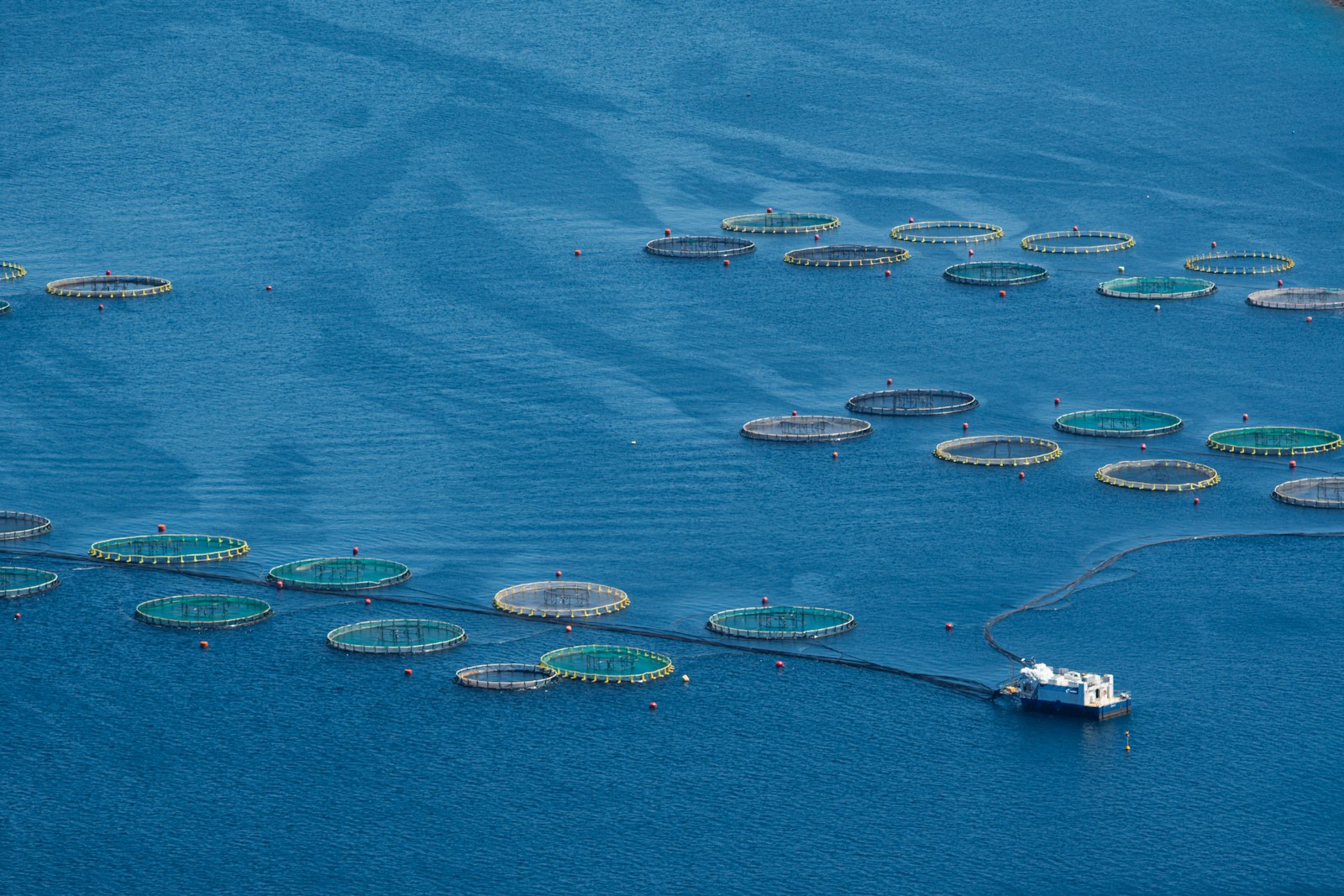
Invest Tanzania reported that fish-farming cages rose from 50 in 2014 to 1,635 in 2024, hatcheries increased from 24 in 2020 to 51 in 2024, and annual fingerling production reached about 140 million in 2024, but it also noted that imported products still accounted for about 59% of formulated aqua feed consumption in 2024. The core new development in the Fish Farmer report is that World Aquaculture Tanzania 2026, or WA26T, is no longer being framed as a routine industry event but as a policy-and-investment platform explicitly aimed at “driving blue transformation” in Africa, with the conference set for the Julius Nyerere International Convention Centre in Dar es Salaam from December 1 to 4, 2026.
5% of total fish output, a striking number because it captures the central contradiction driving the debate: officials and industry groups are promoting aquaculture as the answer to food demand and investment growth, but farmed production is still a relatively small slice of the market. Fish Farmer’s report says the event will include dedicated farmer sessions linking micro, small and medium enterprises with policymakers, development agencies, feed suppliers and technology providers, which is significant because it shows the conference is being marketed as a matchmaking mechanism for finance, supply chains and policy access, not just a scientific congress.
On November 18, 2026, The Citizen documented the first harvests under the BBT fisheries programme; Fish Farmer’s freshly crawled report and the Aquaculture Association of Tanzania’s current event page both point toward the next hard deadline, the December 1 opening of WA26T in Dar es Salaam. Those figures suggest the government is trying to answer skepticism about Africa’s aquaculture ambitions with visible pilot projects, not just speeches on conference stages.
Tanzania’s promoters are pitching an aquaculture boom, yet the market data show continued reliance on imports and underdeveloped local capacity. info) The main organizations shaping the story right now are the Government of Tanzania through the Ministry of Livestock and Fisheries, the World Aquaculture Society, the Aquaculture Association of Tanzania, TADB and a cluster of development and corporate sponsors named by Fish Farmer, including GIZ, WISHH, WorldFish, the World Bank, Skretting, C-Weed Mwani and Essential Drugs Ltd.
Fish Farmer says the gathering will bring together researchers, producers, investors and policymakers, while the Aquaculture Association of Tanzania confirms the dates, location and event branding as WA2026 plus AFRAQ26, underscoring that Tanzania is trying to place itself at the center of Africa’s aquaculture agenda rather than simply host a trade meeting. 5 tonnes, leaving a supply shortfall of roughly 205,600 tonnes.
Aquaculture: Key Takeaways Quick Summary Invest Tanzania reported a rise in fish-farming cages from 50 in 2014 to 1,635 in 2024, yet imports still account for 59% of aqua feed.
Government-backed loans are supporting youth groups in fish farming, marking a tangible step toward increased production.
The scale and speed of this development has caught many observers off guard. Each new update adds another dimension to a story that is still unfolding, and the full picture will only become clear as more verified details emerge from the people and institutions directly involved.
Analysts who have tracked this issue closely say the current moment represents a genuine turning point. The decisions made in the coming weeks are expected to set the direction for months ahead, with ripple effects likely to extend well beyond the immediate actors in the story.
For those directly affected, the practical impact is already visible. People navigating this fast-changing situation are dealing with real consequences while new information continues to reshape what is known and what remains open to interpretation.
Historical parallels offer some context, though experts caution against drawing too close a comparison. Similar situations have played out before, but the specific combination of pressures, personalities, and timing here makes this moment distinct in ways that matter for how it ultimately resolves.
The political and economic dimensions of this story are deeply intertwined. What appears as a single event on the surface is in practice the convergence of multiple pressures that have been building quietly over a longer period than most public reporting has captured.