

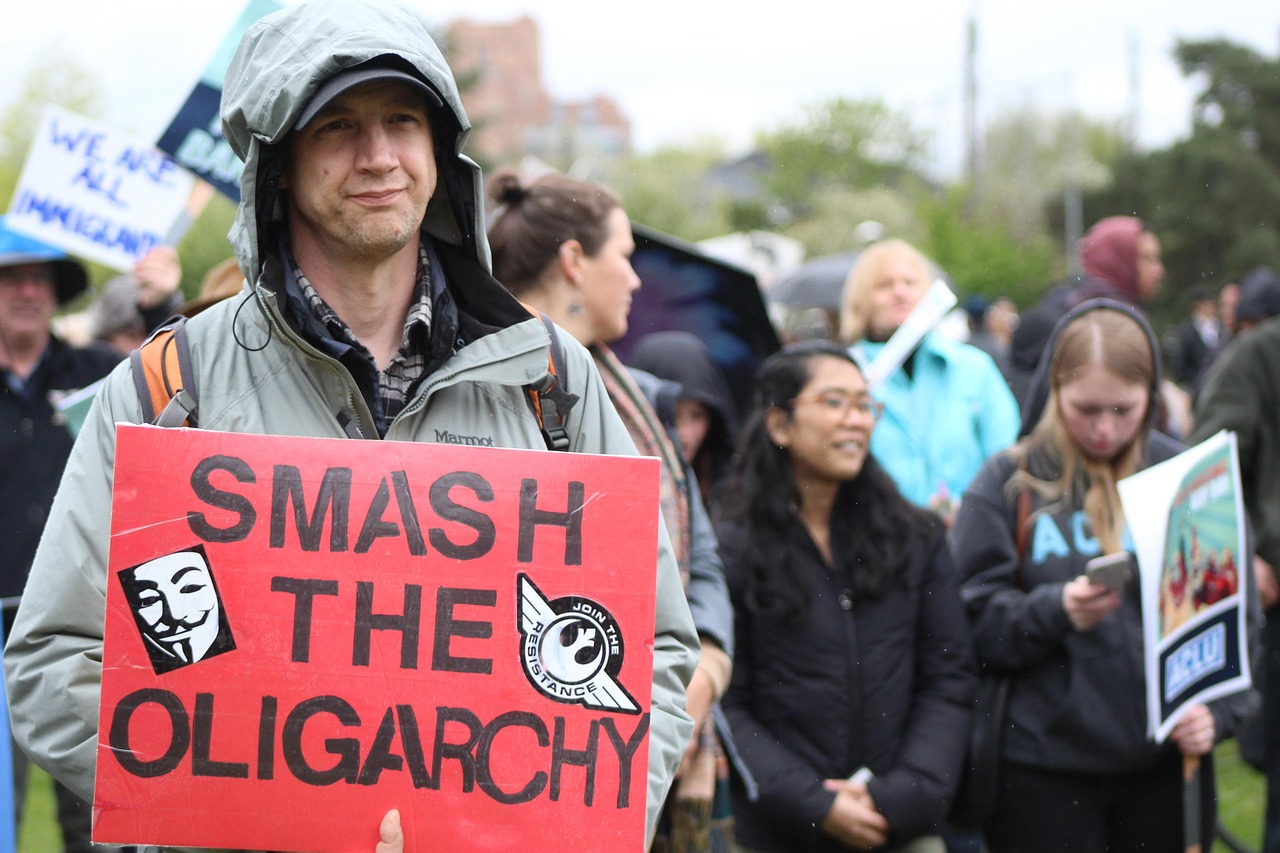

Quick Summary
- Democrats plan aggressive oversight of Trump post-election, with potential subpoenas and hearings.
- Historic Democratic wins in deep-red states signal a shift in political power dynamics.
- Voter data shows corruption and democracy as key issues, influencing the Democratic agenda.
- New Congress features historic firsts, including diverse representation in the Senate.
- Upcoming party leadership elections and potential government shutdown add urgency to the agenda.
Democrats: Key Takeaways
The Democrats have stormed into power with a mandate that goes beyond mere governance; they’re gearing up for a full-scale oversight offensive against Donald Trump. With both chambers in their control, the Democrats are ready to wield their newfound power like a gavel, aiming to scrutinize Trump’s finances, family dealings, and the administration’s controversial decisions.
The election results have shocked the Republican strongholds, with Democrats clinching victories in traditionally red states like South Carolina, Kansas, and Texas. This seismic shift isn’t just about numbers; it’s a fundamental reshaping of Washington’s power structure. Trump’s uncharacteristically subdued concession underscores the GOP’s internal turmoil.
Voter sentiment has been clear: corruption and the state of democracy are top concerns. This has emboldened Democrats to link their anti-corruption crusade directly to economic issues, arguing that the misconduct in Washington has tangible effects on Americans’ wallets. New faces in Congress, representing a wave of firsts, are set to bring fresh perspectives to this oversight mission.
Yet, the path forward is fraught with challenges. The looming threat of a federal shutdown, unresolved election races, and upcoming party leadership contests could test the Democrats’ resolve and unity. The real test of their sweeping victory may unfold in the coming days, as they navigate these immediate hurdles.
AP’s voter data helps explain that posture: roughly 4 in 10 voters said the economy was the top issue, about 3 in 10 named “the state of democracy,” and about half of voters said government corruption was “crucial” to their House vote. Dan Sullivan with an estimated 74% of votes counted, and the race could move to ranked-choice tabulation if no one clears 50%.
AP reported today that House Democrats are building “a vast oversight agenda” aimed at how Trump and his family “have become wealthier” since he returned to office, while Democratic leader Hakeem Jeffries, who is positioned to become House speaker, has not ruled out trying to impeach Trump again. Eastern on Wednesday, AP said 59 House races with party control implications had not yet been called.
senator; and Abdul El-Sayed will be the first Muslim to serve in the Senate. Senate Democratic Leader Chuck Schumer was notably cautious on Wednesday, saying, “Many of the folks who voted for us yesterday are still skeptical, and that’s OK,” a striking admission from the winning side.
The new Congress is already being framed around specific targets, not vague oversight. Garcia has identified five priorities including Trump family business dealings, the administration’s handling of the Jeffrey Epstein investigation and ICE operations.
In Mississippi’s Senate race, Democrat Scott Colom was leading Republican Sen. Those breakthroughs arrived alongside the Democratic sweep, giving the victory both symbolic and operational weight as new members join a Congress preparing for confrontation.
Historic Democratic wins in deep-red states signal a shift in political power dynamics.
The scale and speed of this development has caught many observers off guard. Each new update adds another dimension to a story that is still unfolding, and the full picture will only become clear as more verified details emerge from the people and institutions directly involved.
Analysts who have tracked this issue closely say the current moment represents a genuine turning point. The decisions made in the coming weeks are expected to set the direction for months ahead, with ripple effects likely to extend well beyond the immediate actors in the story.
For those directly affected, the practical impact is already visible. People navigating this fast-changing situation are dealing with real consequences while new information continues to reshape what is known and what remains open to interpretation.
Historical parallels offer some context, though experts caution against drawing too close a comparison. Similar situations have played out before, but the specific combination of pressures, personalities, and timing here makes this moment distinct in ways that matter for how it ultimately resolves.
The political and economic dimensions of this story are deeply intertwined. What appears as a single event on the surface is in practice the convergence of multiple pressures that have been building quietly over a longer period than most public reporting has captured.