


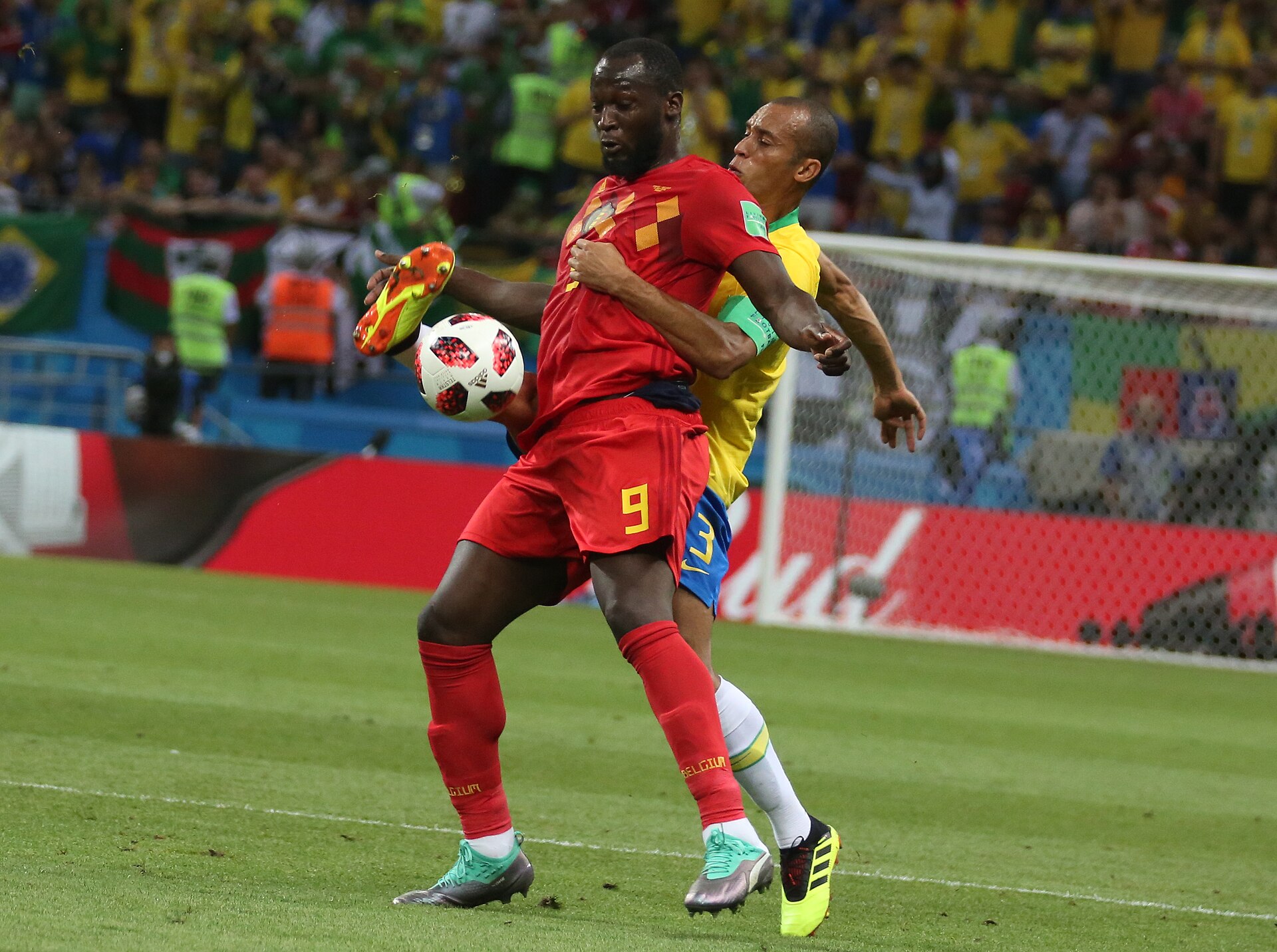

Quick Summary
- Romelu Lukaku announced his retirement from Belgium on November 16, 2026, after being an unused substitute in a 4-1 win over Italy.
- Lukaku leaves as Belgium’s all-time top scorer with 94 goals in 135 appearances, ranking fifth in men’s international football history.
- His retirement marks a turning point for Belgium, as the team advances to the Nations League quarter-finals without their star striker.
- Belgium’s football federation framed Lukaku’s exit as historic, emphasizing his leadership and dedication.
- Lukaku expressed peace with his decision, highlighting his pride in representing Belgium in major tournaments.
Lukaku: Key Takeaways
Romelu Lukaku’s unexpected retirement from international football has left Belgium in a state of reflection and uncertainty. Announced just a day after sitting on the bench during a decisive 4-1 victory over Italy, Lukaku’s departure is more than just a personal decision; it’s a seismic shift for the national team.
As Belgium’s all-time top scorer and one of the most prolific forwards in international history, Lukaku’s absence is both a tactical and emotional challenge. His 94 goals in 135 appearances place him among the greats, yet he chose to step away without chasing the symbolic 100-goal milestone. This decision not only closes a chapter for Lukaku but also signals a new era for Belgian football.
The Royal Belgian Football Association has been quick to honor Lukaku’s contributions, framing his retirement as the end of an era. His leadership and dedication have left an indelible mark on the team, and his decision to retire at 33, after 16 years of service, underscores the personal nature of his choice.
While Lukaku’s retirement is a personal decision, it also forces Belgium to confront its future without its long-time No. 9. As the team prepares for the Nations League quarter-finals, the absence of Lukaku’s goals and leadership will be felt. The focus now shifts to finding a successor who can fill the void left by one of the game’s greats.
For a player whose international career stretched across four World Cups, three Euros and Belgium’s 2018 World Cup third-place finish, the ending was strikingly understated. Romelu Lukaku’s retirement from Belgium on Monday, November 16, 2026, landed as a sudden end rather than a long-signaled farewell, with the country’s all-time top scorer walking away just one day after being an unused substitute in a 4-1 Nations League win over Italy.
9, and attention will shift to who replaces his goals and leadership in the next squad cycle. The biggest new development in the live reporting is the timing: Belgium had only just secured a place in the Nations League quarter-finals with that 4-1 victory over Italy on Sunday, November 15, and Lukaku then announced he was done after 16 years in the national side.
Lukaku leaves as Belgium’s record scorer, the country’s third-most-capped player behind Jan Vertonghen on 157 and Axel Witsel on 140, and, according to the latest reports, the fifth-highest scorer in men’s international football history. He was on the bench and did not play against Italy, a detail that has fueled the sense of a transition already underway inside the squad, whether formally stated or not.
That means his final cap was not a ceremonial send-off but a competitive appearance in last month’s 4-1 loss to France, when he captained Belgium. At 33, he exits with 94 goals in 135 appearances, still six short of the symbolic 100-goal mark that many assumed he might chase.
Lukaku framed the decision in deeply personal terms, saying on Instagram, “These 16 years I gave all I had for the national team. The retirement therefore reads as both a personal decision and a footballing turning point: Belgium are through to the Nations League quarter-finals, but they will enter that knockout stage without the striker who defined the attack for more than a decade.
Lukaku leaves as Belgium’s all-time top scorer with 94 goals in 135 appearances, ranking fifth in men’s international football history.
Belgium’s football federation framed Lukaku’s exit as historic, emphasizing his leadership and dedication.
The scale and speed of this development has caught many observers off guard. Each new update adds another dimension to a story that is still unfolding, and the full picture will only become clear as more verified details emerge from the people and institutions directly involved.
Analysts who have tracked this issue closely say the current moment represents a genuine turning point. The decisions made in the coming weeks are expected to set the direction for months ahead, with ripple effects likely to extend well beyond the immediate actors in the story.
For those directly affected, the practical impact is already visible. People navigating this fast-changing situation are dealing with real consequences while new information continues to reshape what is known and what remains open to interpretation.
Historical parallels offer some context, though experts caution against drawing too close a comparison. Similar situations have played out before, but the specific combination of pressures, personalities, and timing here makes this moment distinct in ways that matter for how it ultimately resolves.
The political and economic dimensions of this story are deeply intertwined. What appears as a single event on the surface is in practice the convergence of multiple pressures that have been building quietly over a longer period than most public reporting has captured.