


Quick Summary
- The NTSB has launched an investigation into a deadly plane crash in Maine, signaling national-level scrutiny.
- A federal audit revealed $45 million in overbilling by MaineCare providers, sparking a potential policy battle.
- A second worker’s death at the Woodland Pulp Facility highlights severe workplace safety concerns.
- Sen. Susan Collins is advocating for federal action against illegal marijuana operations in Maine.
- A local coalition raised $36,000 to help residents with winter heating, showing community resilience.
Maine: Key Takeaways
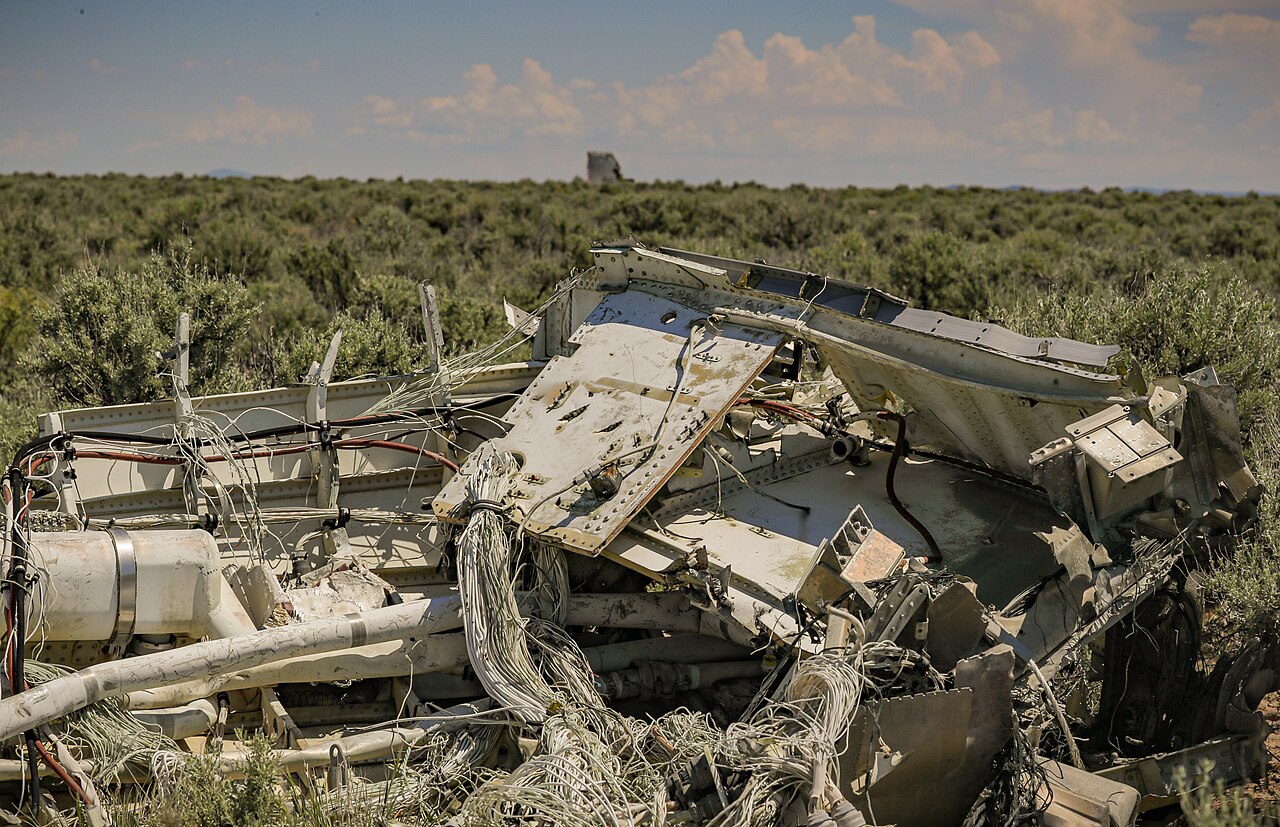
Maine is grappling with a series of crises that have drawn both federal attention and local concern. The National Transportation Safety Board’s decision to investigate a deadly plane crash elevates the incident from local tragedy to a matter of national importance. This rapid federal response underscores the severity and uncertainty surrounding the crash.
Simultaneously, a federal audit has uncovered $45 million in overbilling by MaineCare providers, igniting questions about oversight and accountability. This revelation could lead to significant policy debates and enforcement actions, as stakeholders seek clarity on how such discrepancies occurred.
Adding to the state’s challenges, a second worker has died following a gas-related incident at the Woodland Pulp Facility. This development transforms the situation from an industrial accident to a broader workplace safety and regulatory issue, with potential implications for the company involved.
On the political front, Sen. Susan Collins is pushing for increased federal enforcement against illegal marijuana operations in Maine. This move highlights ongoing debates over crime, land use, and the effectiveness of state-level enforcement.
Amid these larger issues, local communities continue to show resilience. A coalition in the Katahdin area has raised $36,000 to help neighbors with winter heating, reflecting the grassroots efforts to address immediate needs in the face of broader systemic challenges.
In the coming days, watch for the NTSB’s preliminary crash details, any state or federal workplace-safety findings from Baileyville, official responses to the $45 million audit, and whether Collins’s appeal translates into concrete federal action rather than just another public warning. A second major story moving in the same latest NEWS CENTER Maine stream is the fallout from a federal audit that found Maine health care providers overbilled MaineCare by $45 million.
There are also signs that local economic and community stories are cutting through this week, including the report that a Katahdin-area coalition raised $36,000 to help vulnerable neighbors stay warm this winter. In raw human terms, that $36,000 effort may be one of the clearest measurements of how communities are trying to buffer residents from colder-weather hardship right now.
That figure is modest compared with the $45 million MaineCare audit, but it is newsworthy for a different reason: it captures the pressure ordinary Mainers are facing on home heating and winter survival, and it gives a concrete number to the kind of mutual-aid response that often becomes crucial when public systems are stretched. The obvious next question is whether state or federal safety investigators conclude that plant procedures, equipment, training, or hazard controls failed, and whether the company faces citations or operational consequences.
The political dimension of this week’s coverage is also sharpening around illegal marijuana operations in Maine. Susan Collins is pushing for more federal help targeting those operations, putting a prominent statewide Republican behind a tougher enforcement posture.
The next step there is likely to be pressure on federal agencies to increase raids, investigations, or interagency coordination. A grocery expansion is never just a grocery story: it usually carries implications for jobs, competition, food access, traffic patterns, and consumer prices.
A second worker’s death at the Woodland Pulp Facility highlights severe workplace safety concerns.
The scale and speed of this development has caught many observers off guard. Each new update adds another dimension to a story that is still unfolding, and the full picture will only become clear as more verified details emerge from the people and institutions directly involved.
Analysts who have tracked this issue closely say the current moment represents a genuine turning point. The decisions made in the coming weeks are expected to set the direction for months ahead, with ripple effects likely to extend well beyond the immediate actors in the story.
For those directly affected, the practical impact is already visible. People navigating this fast-changing situation are dealing with real consequences while new information continues to reshape what is known and what remains open to interpretation.
Historical parallels offer some context, though experts caution against drawing too close a comparison. Similar situations have played out before, but the specific combination of pressures, personalities, and timing here makes this moment distinct in ways that matter for how it ultimately resolves.
The political and economic dimensions of this story are deeply intertwined. What appears as a single event on the surface is in practice the convergence of multiple pressures that have been building quietly over a longer period than most public reporting has captured.