



Quick Summary
- Transwestern plans to relocate to the penthouse of 123 North Wacker by fall 2026, consolidating from two other offices.
- The move leaves a looming vacancy at 200 West Madison, which was 86% leased before this decision.
- The new lease covers approximately 35,000 square feet, boosting 123 North Wacker’s occupancy from 65%.
- Blake Johnson of Transwestern frames the relocation as a growth move, not a downsizing.
- 123 North Wacker’s new lease is a strategic win amid Chicago’s challenging office market landscape.
Transwesterns Move: Key Takeaways
Transwesterns Move is at the center of this developing story, and the following analysis explains what matters most right now.
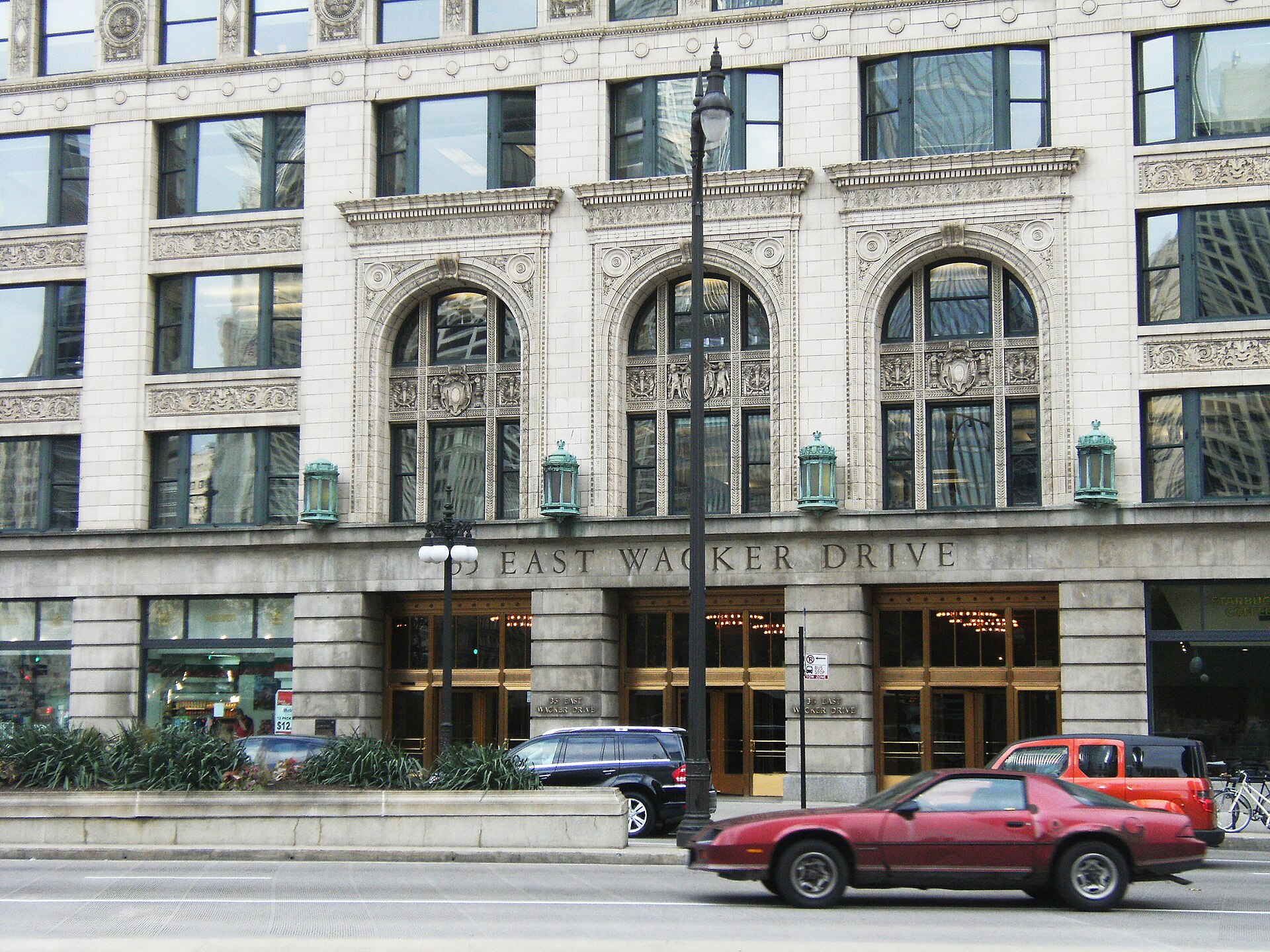
In a bold move that could reshape Chicago’s office market dynamics, Transwestern is set to relocate its flagship office to the top floors of 123 North Wacker. This decision marks a significant vote of confidence in a building that was struggling to fill space after a lender repossession.
The relocation involves about 35,000 square feet, elevating the tower’s occupancy from a mere 65% to a more promising figure. This isn’t just a routine lease; it’s a strategic maneuver that signals Transwestern’s growth ambitions in Chicago. Blake Johnson, Transwestern’s Greater Chicago market leader, emphasizes this as a phase of expansion, not contraction.
The backdrop of this move is a Chicago office market at a crossroads. While renovated buildings like 123 North Wacker are attracting tenants, older structures face vacancies and steep markdowns. The recent sale of 121 West Wacker at a 75% discount underscores the volatility and challenges within the market.
Transwestern’s decision to anchor its operations in a lender-repossessed building adds symbolic weight to the deal. It’s a testament to the potential of strategic renovations and financial restructuring in reviving Chicago’s office spaces. Yet, as Transwestern departs 200 West Madison, it leaves behind a vacancy challenge for its former landlord.
As Chicago’s office market continues to navigate these turbulent waters, all eyes will be on whether 123 North Wacker can attract more tenants and set a precedent for market recovery. If successful, it could signal a broader trend towards revitalization in the city’s downtown area.
The Real Deal, citing Crain’s first report, said Transwestern plans to relocate into the penthouse space in fall 2026, consolidating from offices at 200 West Madison and 181 West Madison. Mesa West had earlier been tied to a $37 million mezzanine loan in the capital stack and later appeared as borrower on a $115 million senior loan from Wells Fargo, according to property records cited in that report.
It also creates a new problem elsewhere: Transwestern’s departure leaves a looming vacancy at 200 West Madison when its lease expires at the end of 2026, even though that building was about 86 percent leased, according to The Real Deal. In the East Loop, Colliers’ Q3 2026 Chicago CBD report said AmTrust North America signed a new 14,946-square-foot lease at 1 East Wacker and Shore Capital Partners renewed and expanded into 14,475 square feet there, while CRE Market Beat reported that One East Wacker recently completed nearly 95,000 square feet of lease commitments, renewals, and expansions across six deals.
But Colliers also warned that the East Loop is expected to underperform through the rest of 2026 as tenants keep migrating toward “more modern buildings,” underscoring that fresh leases are being won building by building, not because the whole downtown office market has suddenly healed. As for timeline, the key reported event in the last seven days tied to this cluster of Wacker-drive reporting was the November 10, 2026 sale of 121 West Wacker at a steep discount, while the Transwestern move to 123 North Wacker remains one of the most consequential lease markers in the current wave of reporting around renovated downtown towers.
5 million in 2018, a roughly 75 percent haircut, with buyers planning more renovations to the lobby, rooftop terrace, and restaurant. That matters because the landlord, a venture led by Mesa West Capital, took control of the property in late 2024 after LaSalle Investment Management struggled with a $153 million debt package, making this lease a visible vote of confidence in a building that had been fighting to refill space.
The lease is for about 35,000 square feet, and CoStar data cited by The Real Deal put the tower at roughly 65 percent leased before the Transwestern commitment. What happens next is straightforward but important: Transwestern is expected to move into 123 North Wacker in fall 2026, Mesa West and Sterling Bay will keep marketing remaining vacancies, and the market will watch whether additional tenants follow quickly enough to push occupancy materially above that roughly 65 percent pre-lease level.
The new lease covers approximately 35,000 square feet, boosting 123 North Wacker’s occupancy from 65%.
The scale and speed of this development has caught many observers off guard. Each new update adds another dimension to a story that is still unfolding, and the full picture will only become clear as more verified details emerge from the people and institutions directly involved.
Analysts who have tracked this issue closely say the current moment represents a genuine turning point. The decisions made in the coming weeks are expected to set the direction for months ahead, with ripple effects likely to extend well beyond the immediate actors in the story.
For those directly affected, the practical impact is already visible. People navigating this fast-changing situation are dealing with real consequences while new information continues to reshape what is known and what remains open to interpretation.
Historical parallels offer some context, though experts caution against drawing too close a comparison. Similar situations have played out before, but the specific combination of pressures, personalities, and timing here makes this moment distinct in ways that matter for how it ultimately resolves.
The political and economic dimensions of this story are deeply intertwined. What appears as a single event on the surface is in practice the convergence of multiple pressures that have been building quietly over a longer period than most public reporting has captured.