



Quick Summary
- Labor’s primary vote has plummeted to just 18%, intensifying the election stakes.
- Jess Wilson’s Liberal campaign highlights a $60 million youth crime initiative.
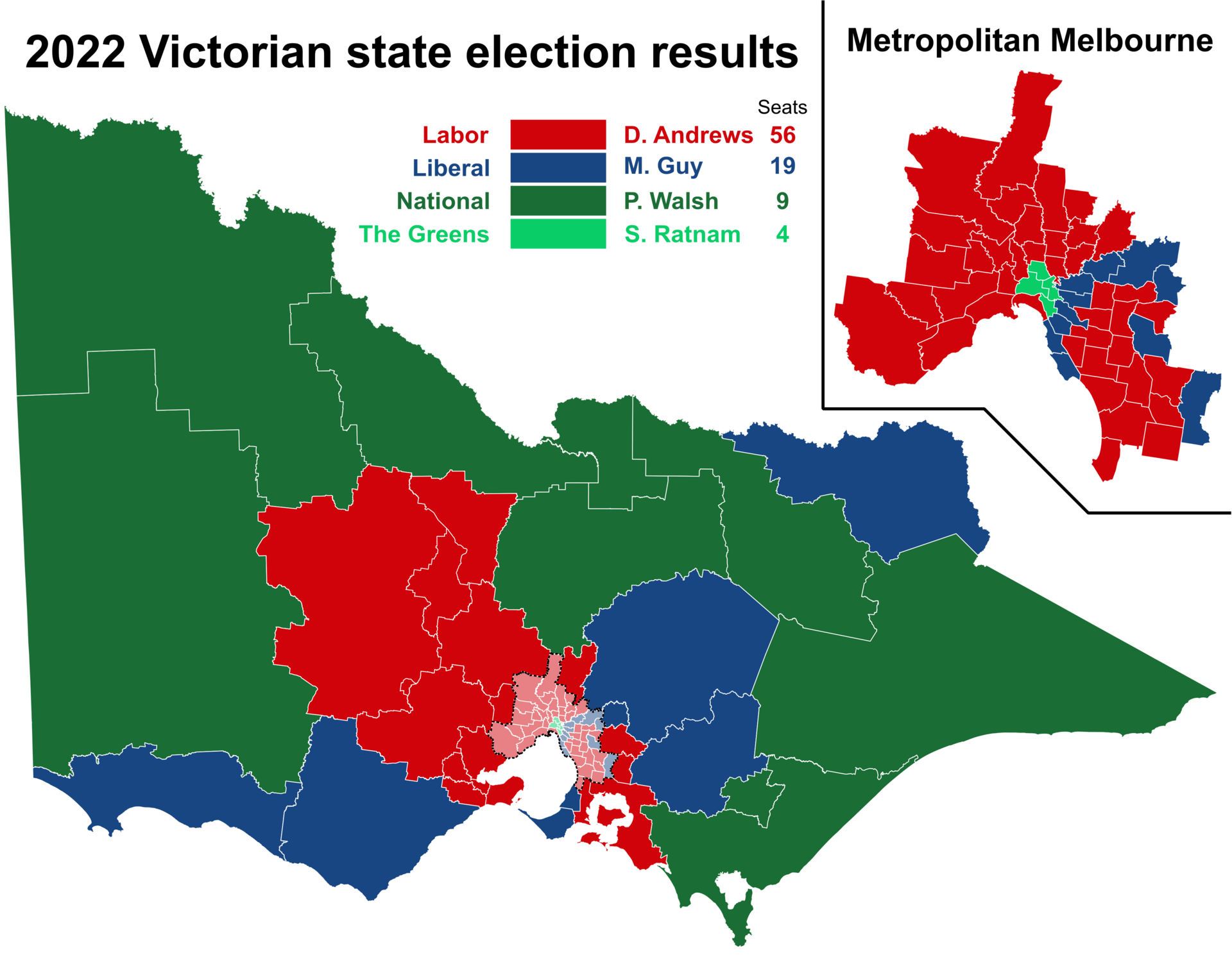
- The Liberals need to gain 16 seats to form a government, a challenging task.
- Labor counters with a $1.17 billion health plan to regain momentum.
- The election is framed as a choice between crime reduction and healthcare investment.
Victorian election: Key Takeaways
As the Victorian election looms, the political battleground is fiercely contested, with youth crime taking center stage. Jess Wilson, leading the Liberal charge, has unveiled a bold $60 million plan targeting youth offenders, a move that underscores the party’s commitment to law and order. Yet, despite the ‘Jess we can’ optimism, the Liberals face a daunting task: securing 16 additional seats to form a government.
17 billion health proposal, aiming to sway voters with promises of improved public services. This strategic pivot highlights the election’s dual focus on crime and healthcare, with both parties vying to convince the electorate of their vision for Victoria’s future.
In this high-stakes environment, the Liberals’ emphasis on crime contrasts sharply with Labor’s healthcare narrative. Wilson’s rhetoric paints a picture of a government plagued by corruption and inefficiency, while Labor warns against potential cuts and privatization under a Liberal regime. The stakes are clear: voters must decide between a crackdown on crime or a robust investment in public health.
With early voting already in motion, the final days leading up to the November 28 election promise intense campaigning. Both parties are acutely aware that the outcome will hinge on their ability to address the electorate’s concerns, whether it be safety, health, or economic stability. As the political landscape shifts, the Victorian election becomes a referendum on the state’s future direction.
According to the Guardian’s reporting from the launch, Labor’s primary vote has slumped into the low 20s, with one survey last week putting it at just 18%, yet Wilson still acknowledged the Liberals need to gain 16 seats to form government. 5% margin, yet the Guardian reported the party fears it could lose it this month.
The sharpest new development from today’s reporting is Wilson’s decision to make youth crime the centerpiece of the Liberal launch, with a $60 million plan to send offenders aged 14 to 17 to a boot camp at the former Dhurringile prison near Shepparton. 27 billion plan using private hospitals for public patients.
On Sunday, November 15, both major parties formally launched their campaigns in Melbourne; the ABC said Victorians will vote in 13 days, on Saturday, November 28. Wilson told supporters the Coalition had a “mountain to climb” and warned, “Make no mistake, this election will be close,” a striking note of caution at what should have been a triumphal campaign-launch moment.
The scale of those competing health pledges shows why this contest is no longer only about anti-Labor anger; it is now a bidding war over whether voters trust the Liberals to run services as well as attack the government. A notable twist in the latest coverage is that both parties launched with visible signs of vulnerability, not dominance.
The core conflict in the story is that Wilson is trying to sell change after 12 years of Labor, but the launch itself served as a reminder that being competitive is not the same as being ready to govern. The campaign now enters its final stretch with early voting already underway, and the next phase is likely to focus on whether Wilson’s boot-camp and “adult crime, adult time” push for 25 serious offences can hold the debate on public safety, or whether Carroll’s health spending and attack on privatisation can shift attention back to hospitals and service delivery.
Victorian election: Key Takeaways Quick Summary Labor’s primary vote has plummeted to just 18%, intensifying the election stakes.
The scale and speed of this development has caught many observers off guard. Each new update adds another dimension to a story that is still unfolding, and the full picture will only become clear as more verified details emerge from the people and institutions directly involved.
Analysts who have tracked this issue closely say the current moment represents a genuine turning point. The decisions made in the coming weeks are expected to set the direction for months ahead, with ripple effects likely to extend well beyond the immediate actors in the story.
For those directly affected, the practical impact is already visible. People navigating this fast-changing situation are dealing with real consequences while new information continues to reshape what is known and what remains open to interpretation.
Historical parallels offer some context, though experts caution against drawing too close a comparison. Similar situations have played out before, but the specific combination of pressures, personalities, and timing here makes this moment distinct in ways that matter for how it ultimately resolves.
The political and economic dimensions of this story are deeply intertwined. What appears as a single event on the surface is in practice the convergence of multiple pressures that have been building quietly over a longer period than most public reporting has captured.