

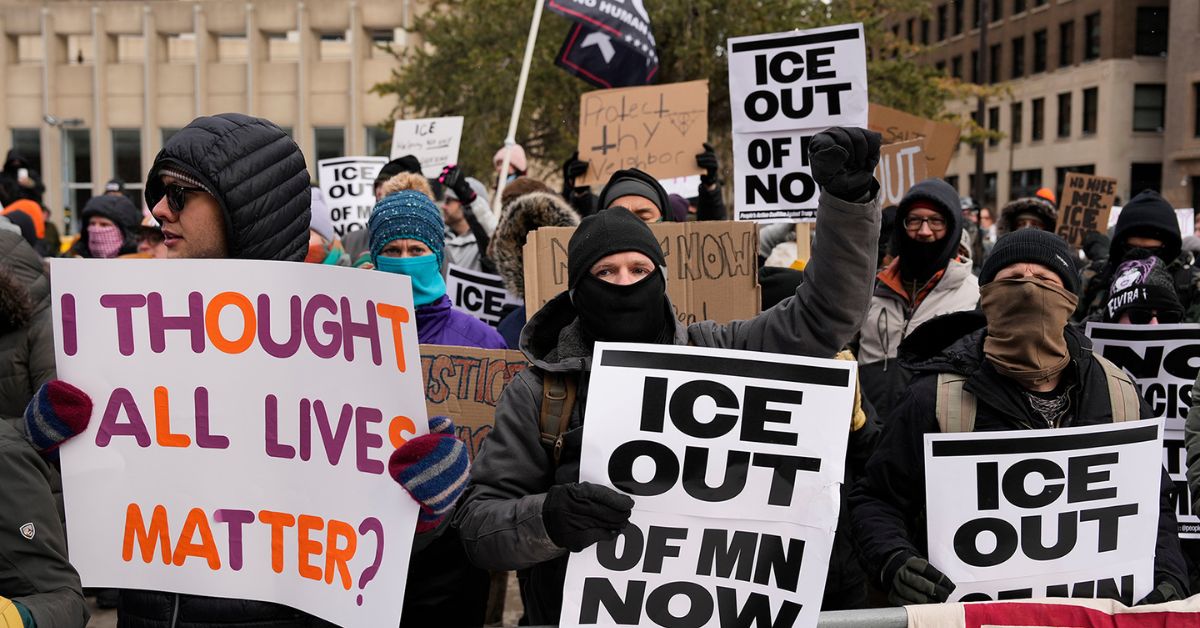

Months after sweeping immigration enforcement operations shook the city, Minneapolis continues grappling with the lasting effects of federal immigration raids that disrupted communities, strained local institutions, and left thousands of families living in fear.
What began as a large-scale enforcement effort targeting undocumented migrants has evolved into a deeper social crisis affecting schools, hospitals, workplaces, and neighborhoods across the region. Even as the visible presence of federal immigration agents has diminished, community leaders say the psychological, economic, and humanitarian consequences remain deeply embedded in the daily lives of many residents.
Parents remain cautious about sending children to school, workers hesitate to return to jobs, and doctors warn that vulnerable patients are missing critical medical treatments. Local officials argue the ripple effects from the enforcement campaign may take years to fully resolve.
Immigration raids reshape daily life in Minneapolis
The immigration enforcement campaign that swept across Minneapolis dramatically altered the rhythm of life in many neighborhoods.
Large teams of federal agents carried out coordinated operations targeting undocumented immigrants and individuals suspected of violating immigration laws. Officials deployed thousands of enforcement personnel during the height of the operation, conducting arrests across residential neighborhoods, workplaces, and transit areas.
For many residents, the raids transformed familiar streets into places of anxiety and uncertainty. Community members reported seeing enforcement vehicles moving through neighborhoods at unusual hours, prompting families to avoid public spaces and limit travel outside their homes.
Local observers say the raids created an atmosphere where even routine activities such as grocery shopping or attending school felt risky for some families.
Although the frequency of enforcement operations has declined, Minneapolis continues to feel the lasting impact of those intense weeks when immigration agents carried out sweeping actions across the city.
Fear spreads across immigrant neighborhoods in Minneapolis
Across many immigrant communities, fear remains one of the most persistent consequences of the immigration crackdown.
Families describe living with constant uncertainty about whether enforcement operations could return. Some residents have developed informal systems to alert neighbors if immigration vehicles appear in their area.
Community volunteers say people still share updates through messaging groups, helping neighbors avoid areas where enforcement activity might be occurring. In certain neighborhoods, residents have even used whistles or other signals to warn others when unfamiliar government vehicles appear nearby.
This level of caution reflects how deeply the immigration raids have affected daily life in Minneapolis. Even after enforcement operations slowed, many families remain reluctant to return to routines that once felt ordinary.
Parents report hesitating to attend school events, workers sometimes skip shifts, and many residents avoid government offices or public institutions out of concern about potential encounters with immigration authorities.
Hospitals report growing medical concerns
Healthcare providers across Minneapolis say the immigration raids have also produced troubling medical consequences for vulnerable patients.
Doctors and hospital administrators report an increase in missed medical appointments among immigrant families. Clinics that treat serious conditions have seen attendance drop sharply during and after the enforcement campaign.
Medical professionals say the trend is especially concerning for children who require ongoing treatment for chronic illnesses. When families avoid hospitals out of fear, doctors lose the ability to monitor conditions that require strict treatment schedules.
Some healthcare providers say patients have skipped critical therapy sessions or medication follow-ups. Physicians warn that interruptions in treatment can significantly increase health risks for individuals managing serious diseases.
Hospitals continue working to reassure families that medical facilities remain safe spaces for treatment. Still, the psychological effects of the immigration raids continue to influence whether many patients feel comfortable seeking care.
Families face emotional and financial hardship
For many households, the raids have created sudden financial instability.
When immigration enforcement actions remove primary income earners from families, relatives often struggle to cover basic living expenses. Rent payments, utility bills, and food costs quickly become overwhelming for households that suddenly lose their main source of income.
In Minneapolis, local advocates say many families are trying to adapt to unexpected changes in household responsibilities. Older siblings sometimes take on additional work while extended family members attempt to provide childcare or financial assistance.
Community organizers say the emotional toll is just as significant as the economic one. Children experience anxiety when family members are detained or when parents fear leaving home for work.
Mental health counselors working with immigrant families say the raids have triggered stress and uncertainty that extend far beyond the moment of arrest. For many residents, the events created lasting fears about stability and security within their communities.
Schools struggle with sudden enrollment changes
Education officials across Minneapolis say schools are facing challenges linked to declining student attendance.
District administrators report that dozens of students disappeared from classrooms during and after the immigration operations. Some families relocated to other regions, while others withdrew children from school out of concern for their safety.
School funding often depends on enrollment numbers, meaning even small declines can create serious financial consequences for local districts. Administrators say losing students midyear disrupts budgets and forces difficult decisions about staffing and resources.
Teachers also report emotional effects on remaining students. When classmates suddenly vanish without explanation, it creates confusion and anxiety within the classroom.
Educators say rebuilding trust with affected families will be an essential step in restoring stability within schools throughout Minneapolis.
Economic impact spreads across Minneapolis businesses
Local businesses have also felt the ripple effects of the enforcement campaign.
When thousands of workers stayed home during the height of the raids, many employers struggled to maintain normal operations. Restaurants, construction companies, and service businesses reported labor shortages that slowed productivity.
Some business owners say customers also stayed away from commercial areas during the period of intense enforcement activity. Reduced foot traffic forced certain establishments to shorten operating hours or temporarily close.
Economists analyzing the situation say sudden disruptions to labor markets can create broader economic consequences across a city. When workers stop spending money in their communities, the financial effects extend to multiple sectors.
Minneapolis continues working to stabilize its economy as businesses attempt to recover from the sudden shocks created during the immigration enforcement campaign.
Community networks respond with support efforts
In response to the crisis, community organizations across Minneapolis have mobilized to support affected families.
Local volunteers have organized food distribution programs, legal assistance clinics, and financial relief campaigns aimed at helping families facing hardship. Grassroots fundraising efforts have raised significant sums to assist households struggling with rent payments or legal costs.
Advocates say many families remain hesitant to interact with formal institutions, which has made community-based support networks especially important.
Volunteers often deliver aid directly to households, ensuring families receive assistance without needing to travel to government offices or public buildings.
These grassroots initiatives have become an essential safety net for many residents still recovering from the disruption caused by immigration raids.
City leaders demand federal accountability
Local officials in Minneapolis have voiced strong criticism of the enforcement operation and its aftermath.
City leaders argue the raids imposed significant social and economic costs on communities that are still attempting to recover. They say local governments were left to manage the consequences without sufficient federal support.
Municipal officials have called for discussions about how immigration enforcement policies affect cities and local services. Some leaders argue that large-scale operations should involve closer coordination with local authorities to reduce disruption.
The debate has intensified conversations about the broader role of immigration enforcement within urban communities and how policies can balance national priorities with local stability.
Residents remain uncertain about the future
Even as enforcement activity has slowed, uncertainty continues to shape daily life for many residents.
Community advocates say some families worry that additional immigration operations could occur in the future. Reports of new enforcement vehicles or personnel occasionally spark renewed anxiety among residents.
For individuals who experienced the earlier raids, the possibility of another surge in enforcement activity remains a persistent concern.
Neighborhood groups continue monitoring developments closely while encouraging residents to stay informed about their legal rights and available support resources.
Long-term recovery remains unclear for Minneapolis
Months after the raids, Minneapolis is still navigating the complex aftermath of the enforcement campaign.
Community leaders say rebuilding trust will require sustained effort from local institutions, advocacy groups, and policymakers. Schools must reconnect with missing students, healthcare providers must reach families who skipped treatment, and businesses must restore stability to disrupted workplaces.
At the same time, families across Minneapolis are attempting to rebuild routines that were abruptly interrupted.
While the streets may appear calm again, the deeper impact of the immigration raids remains visible in classrooms, clinics, workplaces, and households across the city.
For many residents, the experience has reshaped their sense of security and belonging consequences that may linger long after the enforcement operations themselves have faded from view.