

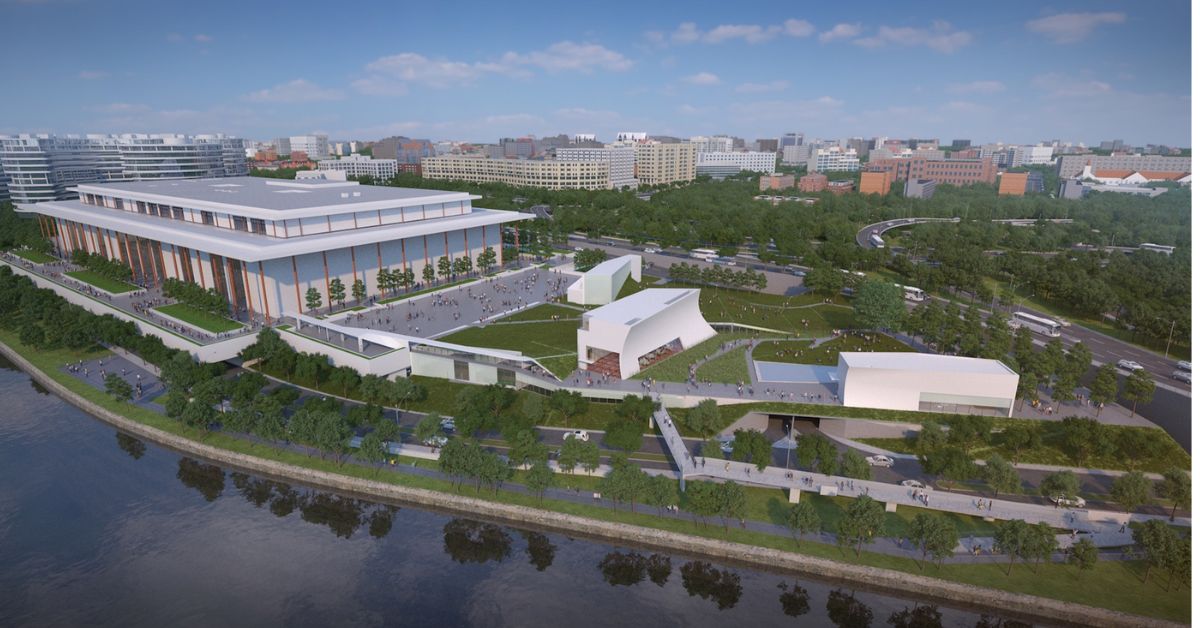

The Kennedy Center is preparing for a major transformation after its board approved a full closure tied to a $250 million renovation plan. The move represents a significant shift for one of the most recognized cultural institutions in the United States, with leaders emphasizing the need for modernization to maintain its global standing.
The Kennedy Center will undergo a complete shutdown for nearly two years to allow uninterrupted construction and infrastructure upgrades.
Kennedy Center renovation plan details
The renovation strategy focuses on large-scale improvements designed to bring the venue up to modern performance standards. Officials have stated that aging infrastructure has made upgrades unavoidable, especially as audience expectations continue to evolve.
Planned enhancements include improvements to performance halls, seating arrangements, lighting systems, and acoustics. Backstage areas will also be redesigned to provide better support for artists and production teams.
In addition, the renovation introduces upgrades to digital capabilities. This includes advanced sound engineering systems, improved broadcast infrastructure, and technology designed to support contemporary performances and global streaming.
These changes are expected to significantly enhance the experience for both performers and audiences, ensuring the venue remains competitive with leading international arts centers.
Leadership backing and direction
The decision to close the Kennedy Center received unanimous support from the governing board. Leadership described the renovation as a necessary step to secure the long-term future of the institution.
President Donald Trump has supported the plan, pointing to the condition of the facility as a key reason for undertaking such a large project. According to officials, the building requires comprehensive upgrades that cannot be completed effectively while remaining operational.
The temporary shutdown allows construction teams to work without interruptions, helping reduce delays and ensuring higher-quality outcomes. This approach is also expected to streamline coordination across multiple phases of the renovation.
New leadership appointments have been introduced to oversee operations during this transition. These changes are intended to strengthen project execution and align the renovation with long-term strategic goals.
Impact on the arts community
The closure of the Kennedy Center is expected to affect performers, organizations, and audiences across the country. As a central hub for cultural events, its absence will create both challenges and opportunities.
Performances that typically take place at the Kennedy Center will be relocated to other venues in Washington, D.C., and surrounding regions. This redistribution may benefit smaller theaters, giving them access to larger audiences and higher-profile productions.
At the same time, logistical challenges are likely to arise. Coordinating schedules across multiple venues and maintaining production quality will require careful planning and collaboration.
For artists, the temporary loss of such a prominent stage may limit exposure in the short term. However, it may also encourage innovation and new partnerships within the broader arts community.
Historical importance and legacy
Since opening in 1971, the Kennedy Center has played a central role in shaping the nation’s cultural identity. Named after President John F. Kennedy, the institution was created to celebrate artistic excellence and support the performing arts.
Over the years, the Kennedy Center has hosted countless iconic performances, establishing itself as a symbol of creativity and cultural significance. Its stages have welcomed artists from around the world, contributing to its reputation as a premier venue.
Maintaining this legacy requires continuous investment. As facilities age, modernization becomes essential to ensure they remain relevant and capable of supporting evolving artistic demands.
Infrastructure and modernization needs
The renovation plan addresses long-standing infrastructure challenges. Systems such as lighting, electrical frameworks, and climate control require upgrades to meet modern standards.
In addition to technical improvements, the renovation will focus on enhancing visitor comfort. This includes better seating, improved accessibility, and upgraded public spaces designed to accommodate larger audiences.
Sustainability is also expected to play a role in the project. Energy-efficient systems and environmentally conscious design elements may be incorporated to reduce long-term operational costs and environmental impact.
These improvements aim to create a facility that balances historic significance with modern functionality.
Economic and tourism impact
The Kennedy Center is a major contributor to Washington, D.C.’s cultural economy. It attracts visitors from across the country and internationally, supporting tourism and local businesses.
While the temporary closure may reduce visitor numbers in the short term, the long-term outlook remains positive. An upgraded facility is expected to draw larger audiences and host a broader range of events.
Improved infrastructure may also enhance the venue’s ability to compete with other global cultural institutions. This could strengthen the city’s position as a destination for arts and entertainment.
Local businesses, including hotels and restaurants, may feel the impact during the renovation period. However, increased activity following the reopening is expected to offset these effects.
Operational benefits of closure
Renovating an active performance venue presents significant challenges. Construction work must be carefully scheduled to avoid disrupting events, often leading to extended timelines and increased costs.
By fully closing operations, the Kennedy Center allows project teams to work more efficiently. This approach reduces logistical constraints and enables faster completion of complex upgrades.
The decision reflects a focus on long-term outcomes rather than short-term convenience. While the closure may disrupt programming, it provides a clear path toward achieving high-quality results.
Public response and discussion
Reactions to the announcement have been mixed. Some view the renovation as a necessary investment in the future of the arts, while others are concerned about the temporary loss of a major cultural venue.
Discussions have also highlighted the importance of maintaining access to the arts during the closure. Alternative venues and initiatives may help bridge this gap, ensuring that audiences continue to engage with performances.
Despite differing perspectives, there is broad recognition that modernization is essential for maintaining the institution’s relevance.
Future outlook
Once completed, the Kennedy Center is expected to reopen with upgraded facilities and expanded capabilities. The renovation aims to enhance performance spaces, improve visitor experience, and support a wider range of artistic productions.
These changes are designed to position the venue as a leading destination for performing arts. By combining tradition with innovation, it seeks to attract new audiences while maintaining its established reputation.
The reopening will mark a significant milestone, offering a renewed vision for the future of cultural engagement.
Conclusion
The decision to close the Kennedy Center for a $250 million renovation reflects a commitment to long-term growth and modernization. While the temporary shutdown will impact programming and operations, it lays the foundation for a stronger and more competitive institution.
With improved infrastructure, enhanced capabilities, and a renewed focus on excellence, the Kennedy Center is preparing to enter a new phase that aligns with the evolving demands of the performing arts world.