

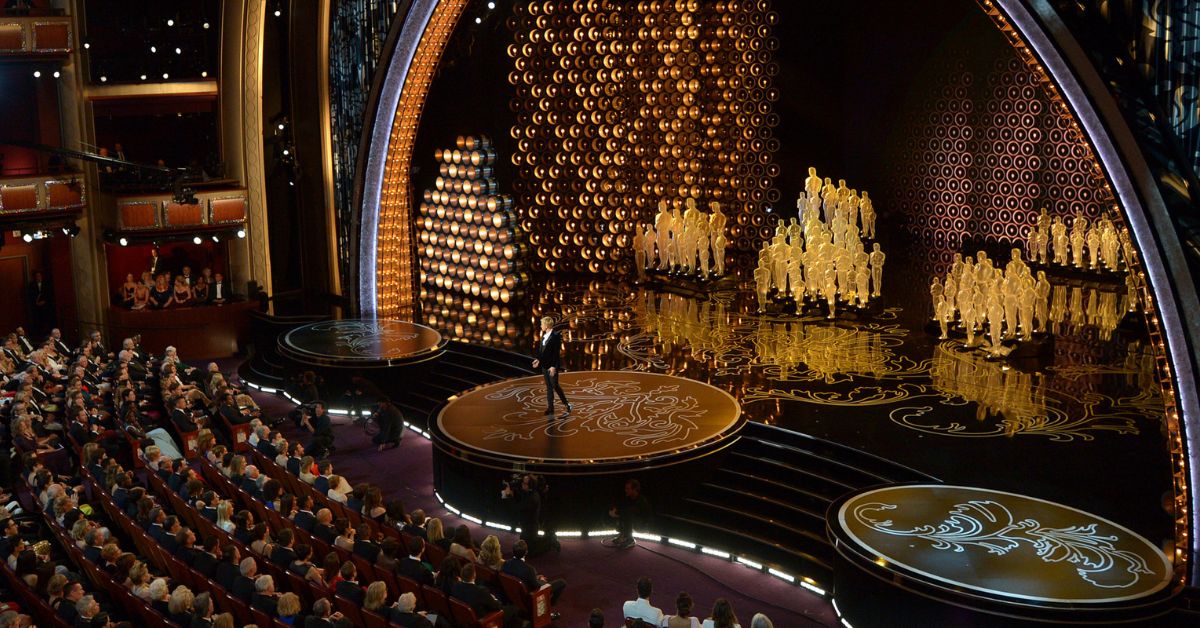

The Oscars returned this year with a ceremony that felt unusually complete polished in execution, grounded in storytelling, and connected to audiences in a way that had been missing for years.
From the opening moments to the final award announcement, the event carried a sense of confidence and clarity. The ceremony avoided the distractions and controversies that had overshadowed previous editions, instead focusing on films, performances, and the people behind them. It felt less like a struggling institution trying to stay relevant and more like a global celebration of cinema that understood what viewers wanted.
Oscars regained cultural momentum
For much of the past decade, the Oscars faced increasing criticism for losing touch with mainstream audiences. Viewership declined, social media conversations became more cynical, and the gap between critically acclaimed films and widely watched movies continued to grow. This year, that gap appeared to narrow.
The films recognized during the ceremony were not only critically respected but also widely discussed among audiences. This alignment created a stronger emotional connection between viewers and the awards being presented. Instead of feeling distant or overly niche, the Oscars reflected the broader cinematic conversation happening worldwide.
There was also a noticeable shift in tone. The ceremony embraced entertainment without losing its seriousness. It did not attempt to reinvent itself dramatically but instead refined what already worked. That balance allowed the Oscars to regain credibility without alienating long-time viewers.
Strong films drove the Oscars success
One of the defining features of this year’s Oscars was the strength of the nominated films. The leading titles were ambitious, well-crafted, and accessible. They managed to combine storytelling depth with visual appeal, drawing both critics and audiences into their narratives.
Several films stood out for their ability to blend genres while addressing complex themes. These projects were not limited to traditional storytelling structures but experimented with pacing, tone, and character development. As a result, they felt fresh without being confusing.
The recognition of such films signaled a shift in how success is measured. Instead of choosing between artistic merit and audience appeal, the Oscars demonstrated that both can coexist. This approach made the awards feel more relevant and inclusive.
Oscars celebrated both scale and storytelling
Another important aspect of the ceremony was its recognition of large-scale productions alongside more intimate films. Big-budget projects received acknowledgment for their technical achievements and storytelling ambition, while smaller productions were celebrated for their emotional depth and originality.
This balance ensured that the Oscars did not favor one type of cinema over another. Instead, it highlighted the diversity of filmmaking styles and approaches. Whether it was a visually stunning blockbuster or a character-driven drama, each film had a place in the conversation.
The technical categories also received greater attention this year. Cinematography, editing, sound design, and production design were not treated as secondary elements but as essential components of storytelling. This recognition helped audiences appreciate the complexity of filmmaking beyond acting and directing.
A ceremony that felt alive
The overall atmosphere of the Oscars played a crucial role in its success. The pacing was tighter, the transitions smoother, and the segments more engaging. Instead of long stretches that felt disconnected, the ceremony maintained a steady rhythm.
The host contributed significantly to this energy. The performance was confident, measured, and genuinely entertaining. Humor was used effectively without overshadowing the purpose of the event. The result was a tone that felt welcoming rather than forced.
Musical performances added another layer of engagement. They were integrated into the ceremony in a way that complemented the awards rather than interrupting them. Each performance felt purposeful, contributing to the overall narrative of the night.
Oscars delivered meaningful historic moments
This year’s Oscars also stood out for its historic achievements. Several winners marked important milestones, reflecting broader changes within the film industry. These moments were not presented as isolated events but as part of a larger movement toward inclusion and representation.
The recognition of diverse voices and perspectives added depth to the ceremony. It showed that the industry is evolving, opening doors for new storytellers and experiences. These achievements resonated with audiences who have long called for greater representation.
Importantly, these moments were handled with authenticity. They were not framed as symbolic gestures but as deserved recognition of talent and effort. This approach strengthened the credibility of the Oscars and reinforced its role as a platform for meaningful progress.
Emotional depth returned to the Oscars
One of the most memorable aspects of the ceremony was its emotional impact. The speeches were heartfelt, personal, and reflective. Winners spoke not only about their achievements but also about the journeys that led them there.
The tribute segment honoring industry figures who passed away was particularly powerful. It was presented with care and respect, allowing viewers to reflect on the contributions of those who shaped cinema. The segment struck a balance between remembrance and celebration, leaving a lasting impression.
These emotional moments reminded audiences why the Oscars matter. Beyond awards and recognition, the ceremony serves as a space to acknowledge the human stories behind filmmaking. This depth added a layer of authenticity that had been missing in previous years.
Oscars avoided controversy and distractions
In contrast to past ceremonies, this year’s Oscars proceeded without major controversies or unexpected disruptions. There were no incidents that overshadowed the awards themselves. This stability allowed the focus to remain on the films and the people being honored.
The absence of controversy contributed to a more positive viewing experience. Instead of discussing off-stage incidents, audiences engaged with the content of the ceremony. Conversations centered on performances, wins, and memorable moments.
This shift highlighted the importance of execution. When the Oscars run smoothly, the event feels more cohesive and enjoyable. It becomes easier for viewers to immerse themselves in the celebration of cinema.
A renewed connection with audiences
The success of the Oscars this year can also be attributed to its renewed connection with audiences. Social media engagement was noticeably more positive, with viewers sharing reactions, opinions, and highlights in real time.
This engagement was driven by a sense of relevance. The films, performances, and moments reflected what audiences were already discussing. The ceremony did not feel disconnected from the broader cultural conversation.
Additionally, the accessibility of the event improved. Viewers could follow along easily, understand the significance of each award, and feel included in the experience. This inclusivity strengthened the relationship between the Oscars and its global audience.
Oscars adapted to a changing industry
The film industry continues to evolve, and the Oscars demonstrated an awareness of these changes. The growing influence of streaming platforms, for example, was acknowledged through nominations and wins. This recognition reflected the shifting landscape of how films are produced and consumed.
By embracing these changes, the Oscars positioned itself as forward-looking rather than resistant. It showed a willingness to adapt while maintaining its core identity. This balance is essential for staying relevant in a rapidly changing industry.
The introduction of new ideas and categories also signaled a readiness to evolve. These additions were not disruptive but thoughtful, enhancing the ceremony without altering its foundation.
The future direction of the Oscars
Looking ahead, this year’s ceremony sets a clear direction for the Oscars. It demonstrates that success lies in balance — between tradition and innovation, artistry and accessibility, recognition and entertainment.
The challenge will be to maintain this standard in future editions. Consistency is key to rebuilding long-term trust and engagement. If the Oscars can continue to deliver ceremonies of this quality, it will strengthen its position as a leading cultural event.
The industry itself will play a role in this process. As filmmakers continue to push boundaries and explore new storytelling methods, the Oscars must remain open to change. This adaptability will ensure that the ceremony evolves alongside the art it celebrates.
Conclusion
The Oscars achieved something rare this year: it felt complete. Every element from the films and performances to the pacing and presentation — worked together to create a cohesive experience.
It was not defined by a single moment but by a consistent level of quality throughout the evening. That consistency is what made the ceremony stand out.
By reconnecting with audiences, celebrating meaningful achievements, and delivering a smooth and engaging event, the Oscars proved that it can still be a powerful and relevant celebration of cinema. This year’s ceremony did not just meet expectations it reset them.