

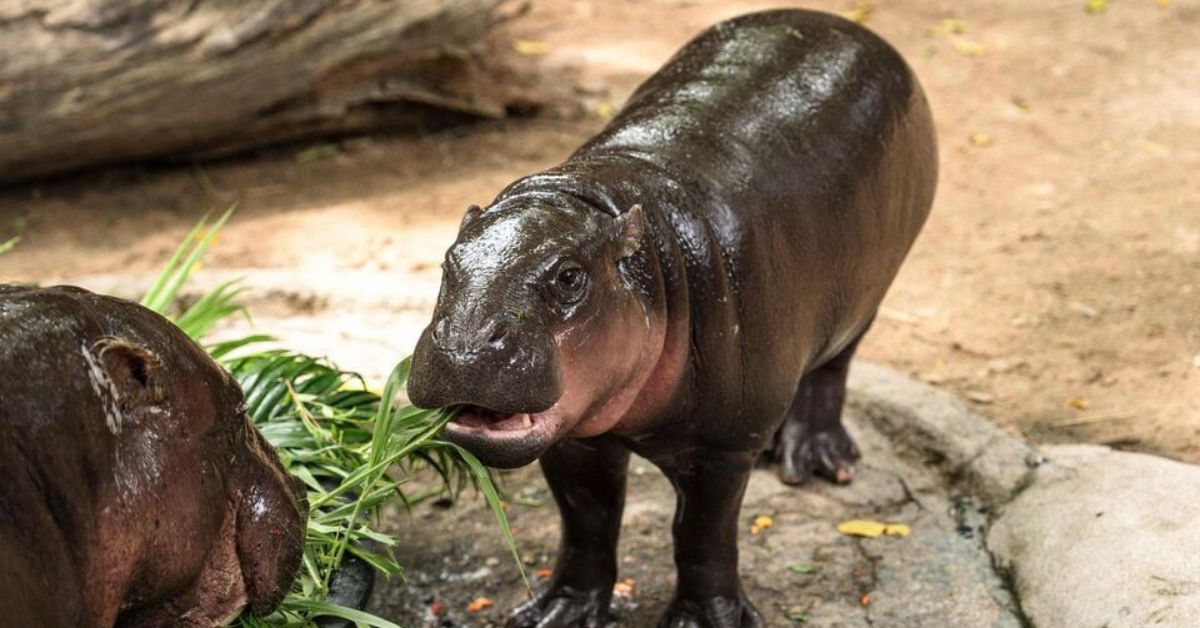

The Moo Deng enclosure incident has drawn global attention after a man was arrested for entering the habitat of a young pygmy hippo at a well-known Thai zoo. The unusual breach has sparked debate about visitor behavior, animal safety, and the growing influence of viral wildlife on public spaces. Authorities confirmed that the individual entered a restricted area without permission, raising immediate concerns about both human and animal welfare.
The event unfolded at Khao Kheow Open Zoo, a major wildlife facility in Thailand that attracts thousands of visitors each year. Known for its expansive layout and diverse animal population, the zoo has recently experienced a surge in visitors due to the popularity of a young pygmy hippo that captured attention online. The animal’s presence has transformed the zoo into a hotspot for tourists and social media enthusiasts alike.
Moo Deng Enclosure Incident Raises Security Questions
According to officials, the man entered the enclosure during a period when staff presence was limited. Surveillance footage later revealed that he climbed over barriers designed to keep visitors at a safe distance. These barriers are not only meant to protect visitors but also to ensure that animals remain undisturbed in their environment.
The video, which quickly circulated online, shows the man moving cautiously inside the habitat while holding a recording device. Though he did not attempt direct physical interaction, his proximity to the animals raised alarms among zoo staff. Even brief intrusions can create stress for wildlife, particularly for species that are sensitive to unfamiliar human presence.
Zoo authorities responded swiftly after being alerted to the breach. Staff members intervened, and local law enforcement was contacted. The man was detained shortly after the incident and later charged with trespassing. Officials confirmed that the investigation is ongoing, with the possibility of additional charges depending on the findings.
The Moo Deng enclosure incident has highlighted vulnerabilities in monitoring visitor activity, especially during quieter hours. While the zoo has established safety measures, this case underscores the need for constant vigilance and possibly enhanced surveillance systems.
Rising Popularity and Its Consequences
The young pygmy hippo at the center of the Moo Deng enclosure incident became widely recognized through images and videos shared online. Its playful behavior and unique appearance quickly captured global attention, turning it into a symbol of charm and curiosity. This surge in popularity has significantly increased visitor numbers, bringing both opportunities and challenges.
As more people visit the zoo to catch a glimpse of the animal, managing crowd behavior has become increasingly complex. While most visitors respect guidelines, a small number may attempt to push boundaries in pursuit of unique experiences or social media content. The incident reflects a growing trend where viral animals attract heightened attention that can sometimes lead to risky actions.
Experts in wildlife management note that animals do not benefit from such disruptions. Even when no physical harm occurs, sudden human intrusion can lead to stress responses that affect feeding, movement, and overall well-being. This makes it essential for zoos to balance public engagement with strict enforcement of safety protocols.
The Moo Deng enclosure incident serves as a reminder that popularity should not come at the expense of safety. Institutions must continuously adapt to changing visitor behavior while maintaining the integrity of animal habitats.
Animal Welfare and Immediate Response
Following the Moo Deng enclosure incident, veterinary teams conducted thorough assessments to ensure that the animals involved were not harmed. Initial reports confirmed that both the young hippo and its mother remained physically unharmed. However, staff noted signs of temporary alertness, which is a natural reaction to unexpected disturbances.
Animal care teams have since increased monitoring to observe any behavioral changes that may emerge over time. Stress in animals can manifest in subtle ways, including changes in feeding patterns or interaction levels. Continuous observation is therefore critical in the days following such incidents.
Zoo officials emphasized that even brief unauthorized access can have consequences. The design of enclosures is based on years of research to provide a safe and stable environment for animals. Any disruption, no matter how short, can interfere with this balance.
The Moo Deng enclosure incident has prompted renewed focus on animal welfare protocols. Additional measures may be introduced to ensure that similar situations do not occur in the future.
Legal Action and Accountability
Authorities have taken a firm stance in response to the Moo Deng enclosure incident. The individual involved was formally charged with trespassing, a violation that carries legal consequences under local regulations. Officials indicated that the case may lead to further penalties if it is determined that the act posed a risk to protected wildlife.
Legal experts note that such incidents are taken seriously because they involve both public safety and conservation concerns. Entering restricted areas not only endangers the individual but also exposes animals to potential harm or stress. In some cases, additional charges related to wildlife protection laws may be considered.
The zoo has also expressed its intention to pursue legal action independently. This approach is aimed at reinforcing the importance of respecting boundaries and discouraging similar behavior among visitors. Clear consequences serve as a deterrent and help maintain order within public spaces.
The Moo Deng enclosure incident has become a case study in how institutions handle breaches of safety. It demonstrates the need for strong legal frameworks and consistent enforcement to protect both people and animals.
Public Reaction and Social Media Impact
Public response to the Moo Deng enclosure incident has been swift and largely critical. Many individuals expressed concern over the disregard for safety rules, emphasizing that such actions could have led to serious consequences. The widespread sharing of footage has also amplified awareness about the importance of responsible behavior in wildlife settings.
Social media platforms played a significant role in bringing attention to the incident. While they helped highlight the issue, they also revealed how quickly such events can spread and influence public perception. Discussions around the incident have included calls for stricter penalties and improved security measures.
At the same time, the role of social media in promoting wildlife appreciation cannot be ignored. It has helped introduce audiences to species they may never encounter otherwise. However, the Moo Deng enclosure incident illustrates the need for responsible engagement with such content.
Balancing visibility and safety remains a challenge. As animals gain popularity online, institutions must find ways to manage increased interest without compromising their well-being.
Infrastructure and Safety Enhancements
In response to the Moo Deng enclosure incident, the zoo is reviewing its current infrastructure and safety protocols. This includes evaluating the effectiveness of barriers, surveillance systems, and staff deployment strategies. Enhancements may involve installing additional cameras, increasing patrol frequency, and reinforcing physical boundaries.
Visitor education is another area receiving attention. Clear signage and frequent announcements can help remind visitors of the importance of following rules. Educational campaigns may also be introduced to explain why these guidelines exist and how they protect both humans and animals.
The Moo Deng enclosure incident has highlighted the importance of proactive measures. Rather than reacting to incidents after they occur, institutions are now focusing on prevention through improved design and communication.
Experts suggest that integrating technology, such as real-time monitoring systems, could further strengthen security. These systems can alert staff immediately when unusual activity is detected, allowing for quicker response times.
Broader Implications for Wildlife Tourism
The Moo Deng enclosure incident reflects broader trends in wildlife tourism. As destinations become more popular, managing visitor behavior becomes increasingly challenging. The rise of digital platforms has amplified interest in unique experiences, sometimes encouraging individuals to take unnecessary risks.
Wildlife attractions must adapt to this evolving landscape by implementing strategies that prioritize safety without limiting accessibility. This includes designing spaces that allow close observation while maintaining secure boundaries. It also involves fostering a culture of respect among visitors.
The incident serves as a reminder that tourism should be sustainable and responsible. Protecting wildlife is not only an ethical obligation but also essential for maintaining the long-term viability of such attractions.
The Moo Deng enclosure incident underscores the need for collaboration between authorities, institutions, and the public. Each group plays a role in ensuring that wildlife environments remain safe and respectful.
Long-Term Outlook
Looking ahead, the Moo Deng enclosure incident is likely to influence policy and operational decisions within the zoo and beyond. Lessons learned from this case may lead to industry-wide changes in how facilities manage security and visitor engagement.
Institutions may adopt stricter entry controls, enhanced surveillance, and more comprehensive training for staff. These measures can help prevent similar incidents and improve overall safety standards.
The incident also highlights the importance of continuous evaluation. As visitor patterns change and new challenges emerge, policies must evolve accordingly. Regular assessments can ensure that safety measures remain effective and relevant.
The Moo Deng enclosure incident may also contribute to broader discussions about the relationship between humans and wildlife. It emphasizes the need for mutual respect and understanding, particularly in environments where both coexist.
Conclusion
The Moo Deng enclosure incident has brought attention to critical issues surrounding safety, responsibility, and the impact of viral popularity on wildlife environments. While the animals involved were not harmed, the event serves as a clear warning about the risks of ignoring established guidelines.
Ensuring the safety of both visitors and animals requires a collective effort. Institutions must strengthen their protocols, and visitors must adhere to the rules designed to protect everyone involved. The incident stands as a reminder that curiosity should never override caution.
As interest in wildlife continues to grow, maintaining a balance between accessibility and protection will remain a key challenge. The Moo Deng enclosure incident underscores the importance of vigilance, accountability, and respect in preserving these environments for future generations.