


The unfolding Iran War has entered a decisive and unpredictable phase, placing global stability under renewed pressure. What began as a sharp escalation has now evolved into a broader geopolitical confrontation with consequences stretching far beyond the immediate region. As tensions intensify, policymakers, analysts, and citizens alike are grappling with the implications of a conflict that appears increasingly difficult to contain.
The Trump Iran War is no longer confined to military exchanges alone. It now represents a convergence of economic disruption, strategic uncertainty, and political risk. With each passing day, the situation grows more complex, raising fundamental questions about control, escalation, and long-term outcomes.
In its early stages, the Iran War was marked by rapid developments that suggested a calculated approach. Initial actions appeared designed to assert dominance and send a clear message. However, the aftermath has revealed a more complicated reality. Rather than stabilizing the situation, these moves have contributed to a chain reaction that is reshaping regional dynamics.
Iran War Escalation Raises Global Concerns
The Iran War has taken on a momentum that challenges traditional expectations of conflict management. Analysts note that once such confrontations begin, they often evolve beyond their original scope. This appears to be the case now, as responses from multiple sides introduce new variables that are difficult to predict.
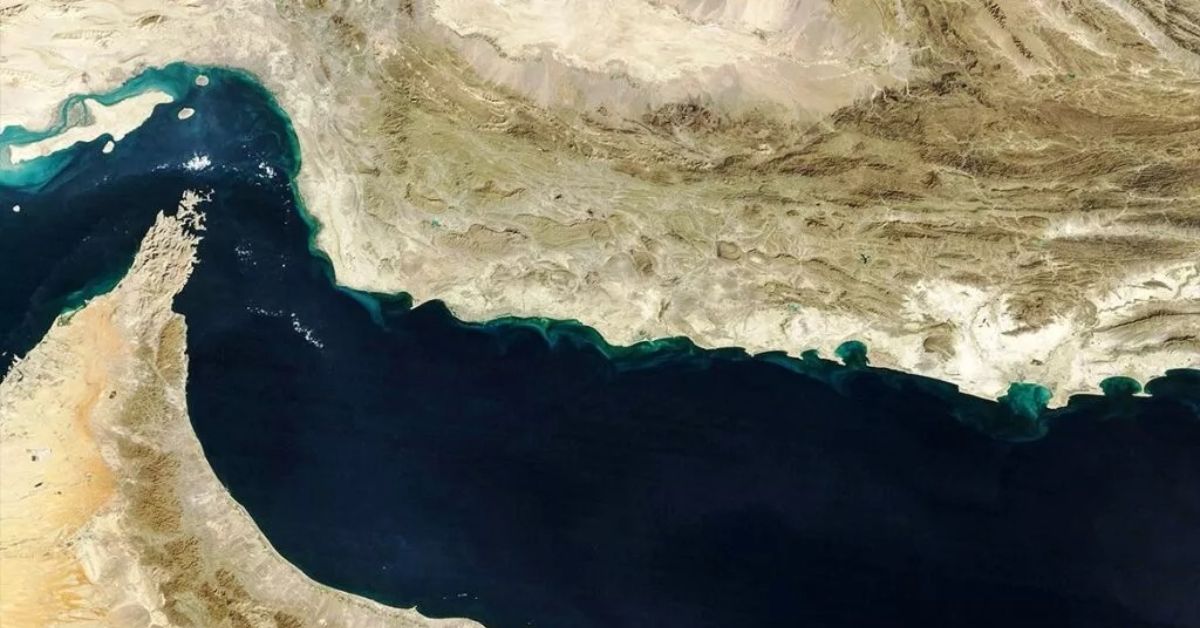
One of the most significant developments has been the disruption of critical trade routes. The Strait of Hormuz, a vital artery for global energy supply, has become a focal point of concern. Any sustained interruption in this region has immediate consequences for oil markets, affecting not only energy prices but also broader economic stability.
The Trump Iran War has already contributed to noticeable increases in fuel costs. Households and businesses are beginning to feel the pressure, with rising transportation and production expenses feeding into inflationary trends. This economic ripple effect underscores how the Iran War extends far beyond the battlefield.
As markets react to uncertainty, investors are closely monitoring developments. Fluctuations in oil prices reflect the fragile balance between supply and demand. Prolonged instability in the Iran War could lead to sustained volatility, influencing global trade and financial systems.
Strategic Control in the Trump Iran War
A central question surrounding the Trump Iran War is whether strategic control remains firmly in place. Conflicts of this scale often introduce unintended consequences, and maintaining direction becomes increasingly challenging over time. The current trajectory suggests that decision-makers are navigating a rapidly changing environment.
Reports indicate that responses from opposing forces have been designed to expand the scope of the Iran War. By targeting economic and logistical vulnerabilities, these actions aim to increase pressure without necessarily engaging in direct confrontation. This strategy complicates efforts to achieve a clear resolution.
The Trump Iran War also highlights the limitations of military strength in achieving political objectives. While infrastructure damage and tactical gains may be visible, they do not always translate into lasting strategic advantages. This disconnect has been a recurring theme in modern conflicts, and the current situation appears no different.
Domestic considerations further add to the complexity. Policymakers face growing demands for clarity regarding objectives, timelines, and costs. The absence of a clearly defined endpoint has led to increasing scrutiny, as stakeholders seek assurance that the Iran War will not evolve into a prolonged engagement.
Economic Impact of the Iran War
The economic implications of the Iran War are becoming increasingly pronounced. Rising energy prices are just one aspect of a broader impact that touches multiple sectors. From manufacturing to transportation, the effects are being felt across industries.
The Trump Iran War has contributed to a shift in market sentiment, with uncertainty driving cautious behavior among investors. Businesses are adjusting their strategies in response to fluctuating costs and supply chain disruptions. This environment creates challenges for long-term planning and growth.
For consumers, the consequences are immediate and tangible. Higher fuel prices translate into increased costs for goods and services, affecting everyday life. As the Iran War continues, these pressures are likely to intensify, raising concerns about economic resilience.
Government responses to these challenges are varied. Some measures focus on stabilizing markets, while others aim to address the root causes of disruption. However, the interconnected nature of the global economy means that no single solution can fully mitigate the impact of the Iran War.
International Reactions to the Trump Iran War
The global response to the Trump Iran War has been mixed, reflecting differing priorities and perspectives among nations. While some countries have expressed support, others have adopted a more cautious stance, emphasizing the need for diplomatic solutions.
Alliances are being tested as the Iran War reshapes geopolitical relationships. Questions about involvement, responsibility, and long-term strategy are influencing decisions at the highest levels. This divergence highlights the complexity of achieving coordinated action in a rapidly evolving situation.
The Trump Iran War has also prompted renewed discussions about regional stability. Neighboring countries are closely monitoring developments, aware that the consequences of escalation could extend beyond immediate borders. This awareness underscores the broader significance of the Iran War.
Efforts to de-escalate tensions have been ongoing, though progress remains uncertain. Diplomatic channels continue to play a critical role, offering a potential pathway to resolution. However, the effectiveness of these efforts depends on the willingness of all parties to engage constructively.
Political Pressure and Policy Challenges
Within the United States, the Trump Iran War has become a focal point of political debate. Lawmakers are seeking greater transparency regarding the administration’s strategy, emphasizing the importance of accountability in decision-making.
Public opinion is another important factor shaping the discourse. As the Iran War continues, concerns about its impact on daily life are influencing perceptions. Rising costs, potential risks, and uncertainty about the future contribute to a complex and evolving narrative.
The Trump Iran War also raises questions about resource allocation. Funding requirements for sustained operations are significant, and decisions about budget priorities carry long-term implications. Balancing domestic needs with international commitments presents a challenging equation.
Policy decisions made in the context of the Iran War will have lasting consequences. The choices made today will shape not only the outcome of the conflict but also the broader trajectory of foreign policy. This reality underscores the importance of careful and informed decision-making.
Long-Term Implications of the Iran War
The Iran War represents more than a moment of crisis; it is a turning point with potential long-term implications. The way this conflict unfolds will influence future approaches to international relations and conflict management.
One key consideration is the precedent set by the Trump Iran War. Actions taken during this period may shape expectations and strategies in future conflicts. Understanding these implications is essential for developing effective policies moving forward.
The Iran War also highlights the interconnected nature of global challenges. Economic, political, and security issues are deeply intertwined, making it difficult to address them in isolation. This complexity requires a comprehensive approach that considers multiple dimensions.
As the situation continues to evolve, the importance of adaptability becomes clear. Decision-makers must be prepared to respond to changing circumstances, balancing immediate needs with long-term objectives. This dynamic environment defines the current phase of the Iran War.
Conclusion
The Iran War stands at a critical juncture, with its trajectory shaped by a combination of strategic decisions, economic pressures, and geopolitical dynamics. The Trump Iran War has introduced new challenges that extend beyond traditional conflict frameworks, affecting global stability and daily life.
As developments continue to unfold, the need for clarity and direction becomes increasingly urgent. The choices made in the coming weeks and months will determine whether the Iran War moves toward resolution or deeper uncertainty. In this context, the conflict remains one of the most significant and closely watched issues on the global stage.