


Summary
Early users testing Meta’s latest smart glasses describe a mix of innovation and unease, pointing to privacy risks, inconsistent AI performance, and uncertain real-world value.
Optimized Article Content
The Meta Smart Glasses are drawing intense attention as wearable technology moves closer to everyday life, but early user experiences suggest that the path forward may be more complicated than expected.
As artificial intelligence becomes more embedded in consumer devices, these glasses represent a shift toward hands-free computing. Yet, real-world testing has raised questions about whether convenience is outweighing concerns tied to privacy, accuracy, and social acceptance.
The Meta Smart Glasses have been positioned as a next step beyond smartphones, offering users the ability to capture images, interact with AI assistants, and receive real-time information without needing to look at a screen. While that vision has generated excitement, it has also exposed gaps between expectation and reality.
Many users who spent extended time with the Meta Smart Glasses say the experience feels futuristic in moments but intrusive in others. The device blends into everyday life visually, but its capabilities make it stand out in social settings, often prompting discomfort from both the wearer and those nearby.
Meta Smart Glasses: Innovation Meets Everyday Reality
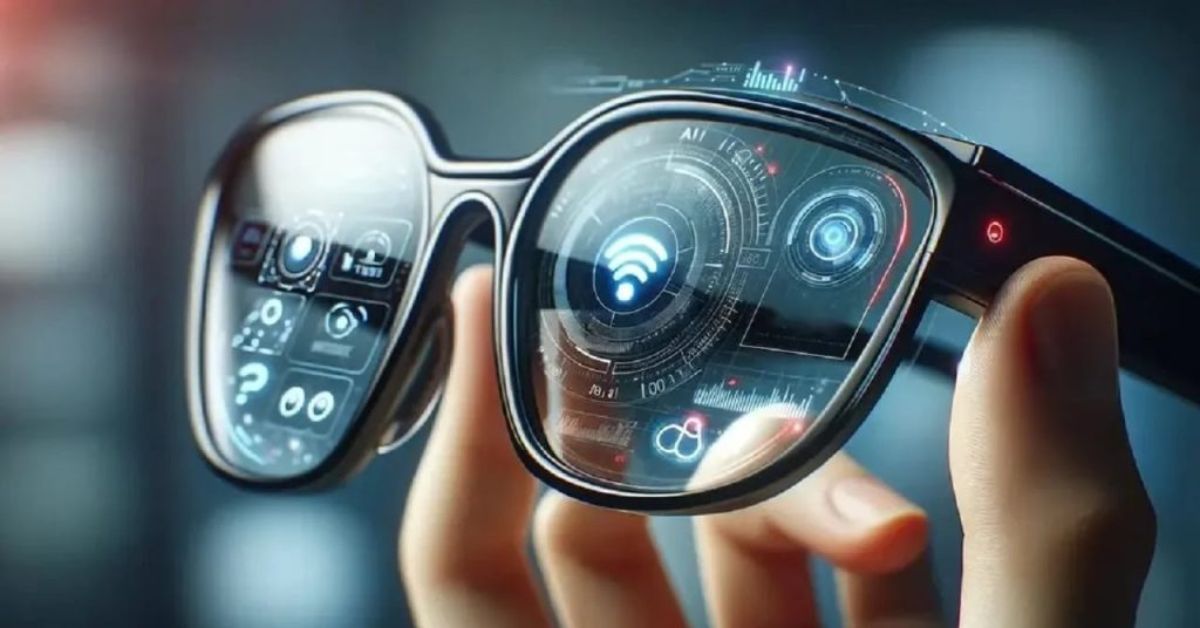
The Meta Smart Glasses aim to redefine how people interact with technology by removing the need for constant phone usage. With built-in cameras, speakers, and an AI assistant, the glasses attempt to deliver a seamless digital layer over real-world experiences.
In controlled demonstrations, the device performs impressively. Users can ask questions, receive directions, and capture photos instantly. However, outside of ideal conditions, performance appears less consistent.
Some users report delays in AI responses or difficulty understanding commands in noisy environments. Others mention that the assistant occasionally provides incomplete or vague answers, especially when handling complex or contextual queries.
Despite these limitations, the concept remains appealing. The ability to access information without reaching for a phone represents a significant shift in how technology integrates into daily routines.
Privacy Concerns Surround Meta Smart Glasses
The most widely discussed issue surrounding the Meta Smart Glasses is privacy. The device’s discreet camera functionality has triggered concerns about whether individuals are being recorded without consent.
Even though the glasses include an indicator light to signal when recording is active, users say it is not always noticeable in real-world situations. This has led to uncertainty in public spaces, where people may not feel comfortable interacting around someone wearing the device.
In workplaces, social gatherings, and casual environments, the presence of wearable cameras changes behavior. People become more cautious, conversations shift, and the natural flow of interaction can be disrupted.
Beyond visible recording, concerns also extend to data collection. Questions are being raised about how captured images, voice inputs, and interactions are stored and processed. As AI systems rely on large amounts of data, transparency around usage becomes increasingly important.
AI Performance and Practical Limitations
The AI assistant integrated into the Meta Smart Glasses is one of its defining features, yet it is also one of its weakest points according to early users.
While the assistant can identify objects, describe surroundings, and provide basic information, it struggles with more advanced tasks. Users report that responses can lack depth or context, making the tool less reliable than expected.
Voice recognition accuracy also varies depending on the environment. In quieter settings, performance improves, but in crowded or noisy areas, commands may be misunderstood or ignored altogether.
Another limitation is the lack of consistency in responses. The AI may provide accurate information in one instance and less useful output in another, even when asked similar questions.
These inconsistencies highlight a broader challenge in AI development: balancing speed with accuracy. While the technology is evolving rapidly, users expect reliability in everyday scenarios, not just controlled demonstrations.
Social Impact of Wearing Meta Smart Glasses
Beyond technical performance, the Meta Smart Glasses are influencing social dynamics in noticeable ways.
Wearers often report feeling self-aware when using the device in public. The awareness that others may be concerned about recording or surveillance can lead to hesitation in using features openly.
At the same time, people interacting with users wearing the glasses may feel uncomfortable. The uncertainty around whether they are being recorded or analyzed by AI changes the nature of interactions.
This shift raises broader questions about how society adapts to new forms of technology. Similar concerns were seen during the early adoption of smartphones and cameras, but wearable devices introduce a new level of immediacy and visibility.
As the Meta Smart Glasses become more common, social norms may evolve. However, in the current stage, acceptance remains limited.
Limited Everyday Use Cases
One of the key challenges facing the Meta Smart Glasses is the lack of clear, compelling use cases for everyday users.
While the device offers convenience in specific scenarios—such as quick photo capture or hands-free navigation—it does not yet replace the need for a smartphone. Most users still rely on their phones for more complex tasks, including messaging, browsing, and detailed searches.
For a device to become essential, it must provide consistent value across multiple situations. At present, the Meta Smart Glasses appear to function more as a complementary tool rather than a primary device.
This raises questions about long-term adoption. Without a strong set of everyday use cases, the technology may struggle to move beyond early adopters and enthusiasts.
Industry Perspective on Wearable Technology
Experts observing the development of the Meta Smart Glasses suggest that the current challenges are not unexpected.
New technology often goes through phases of excitement, skepticism, and gradual refinement. In the case of wearable AI, the transition may take longer due to the complexity of integrating hardware, software, and social acceptance.
Some analysts believe that improvements in AI accuracy, battery life, and design will play a critical role in future success. Others point to the need for clearer regulations around data usage and privacy.
As the technology evolves, companies will need to address both technical and ethical concerns to build trust with users.
Future Outlook for Meta Smart Glasses
Looking ahead, the Meta Smart Glasses represent an early step in a broader shift toward immersive and integrated computing.
Advancements in AI, miniaturization, and connectivity could significantly improve the device’s capabilities over time. Future versions may offer more reliable performance, better battery efficiency, and enhanced user interfaces.
At the same time, addressing privacy concerns will be essential. Clear communication about data usage, improved visual indicators, and stronger safeguards could help build confidence among users and the public.
The success of the Meta Smart Glasses will likely depend on how well these challenges are addressed in future iterations.
Conclusion
The Meta Smart Glasses highlight both the promise and the challenges of wearable AI technology. While the concept of hands-free computing is compelling, current limitations in privacy, performance, and social acceptance suggest that the technology is still in its early stages.
Users are intrigued by the possibilities but remain cautious about the implications. As development continues, the balance between innovation and responsibility will play a key role in determining whether the Meta Smart Glasses become a mainstream tool or remain a niche product.
For now, the device offers a glimpse into the future—one that is still being shaped by both technological progress and human expectations.
For more updates, read the latest news on Digital Chew.