


Quick Summary: United flight emergency landing in Pittsburgh After Security Threat
- A United Airlines flight from Chicago to New York was diverted to Pittsburgh due to a security concern.
- The aircraft made an emergency landing after a potential security issue was identified.
- Passengers were safely evacuated upon landing in Pittsburgh as a precautionary measure.
- Authorities are investigating the nature of the security threat to ensure passenger safety.
- The incident caused delays, but no injuries were reported among passengers or crew.
Source: Read original article
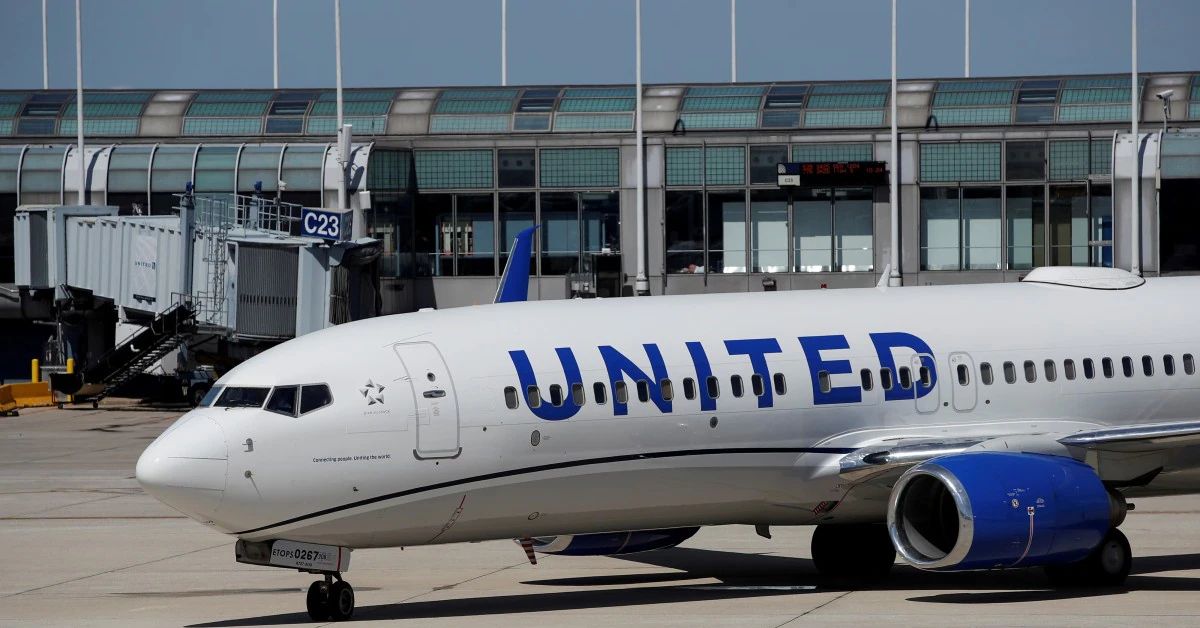
A United Airlines flight en route from Chicago’s O’Hare Airport to New York’s LaGuardia Airport made an emergency landing in Pittsburgh due to a security concern. The flight was diverted after a potential security threat was identified, prompting immediate action by the crew. United flight emergency landing is at the center of this development.
Upon landing, passengers were evacuated safely as a precautionary measure. The nature of the security issue has not been disclosed, but authorities are conducting a thorough investigation to determine the cause and ensure the safety of all passengers.
This incident highlights the importance of security measures and quick response protocols in aviation. While the diversion caused delays for passengers, no injuries were reported, and the situation was handled with utmost priority.
The broader impact of this security alert will depend on the findings of the ongoing investigation. For now, the focus remains on understanding the threat and preventing similar incidents in the future.
United flight emergency landing remains the central development in this story, with the latest facts shaping how readers should understand the immediate stakes.
The next step depends on what the main parties say and do, because those responses will determine whether this is a short-lived update or a bigger shift.
In practical terms, United flight emergency landing now raises a simple question: what changes first, and who feels it most quickly? The answer depends on the timeline, the decision-makers involved, and whether the response is immediate or delayed. Those three pieces usually determine how fast a story moves from headline to wider consequence.
The biggest value in following United flight emergency landing closely is separating the confirmed facts from the early speculation. When a story is moving quickly, the first version is often incomplete, which is why verified updates matter more than reactions built on fragments. Readers get a clearer view when the reporting stays tied to what is known, who said it, and what changed afterward.
Context also matters. A single development can look routine in isolation and significant when set against the broader pattern around it. That is why the timing, the scale of the change, and the response from the people involved are all important parts of the story. They show whether this is a one-off update or the start of something larger.
As the reporting develops, the most useful details are usually the ones that answer what happened, why it matters, and what comes next. Those facts help explain whether the story affects a narrow group or has wider reach. They also make it easier to understand which new details actually change the picture and which ones simply add noise.
For United flight emergency landing, the most useful reading comes from the verified sequence of events: what happened first, how the main parties responded, and what changed after that. That timeline is often the difference between a routine update and a development with wider consequences. When the reporting stays tied to those facts, the story becomes much easier to understand and harder to distort.
Another useful question is whether the latest move changes the direction of the story or simply adds one more detail to it. That distinction matters because headlines can make a small update feel bigger than it is, while the underlying facts may point in a different direction. Readers get a clearer picture when they focus on the concrete action, the immediate response, and the next confirmed step.
In practical terms, United flight emergency landing, now raises a simple question: what changes first, and who feels it most quickly? The answer depends on the timeline, the decision-makers involved, and whether the response is immediate or delayed. Those three pieces usually determine how fast a story moves from headline to wider consequence. More verified context may surface as the story develops.
The biggest value in following United flight emergency landing, closely is separating the confirmed facts from the early speculation. When a story is moving quickly, the first version is often incomplete, which is why verified updates matter more than reactions built on fragments. Readers get a clearer view when the reporting stays tied to what is known, who said it, and what changed afterward. More verified context may surface as the story develops.
Context also matters. A single development can look routine in isolation and significant when set against the broader pattern around it. That is why the timing, the scale of the change, and the response from the people involved are all important parts of the story. They show whether this is a one-off update or the start of something larger. More verified context may surface as the story develops.
As the reporting develops, the most useful details are usually the ones that answer what happened, why it matters, and what comes next. Those facts help explain whether the story affects a narrow group or has wider reach. They also make it easier to understand which new details actually change the picture and which ones simply add noise. More verified context may surface as the story develops.
For United flight emergency landing,, the most useful reading comes from the verified sequence of events: what happened first, how the main parties responded, and what changed after that. That timeline is often the difference between a routine update and a development with wider consequences. When the reporting stays tied to those facts, the story becomes much easier to understand and harder to distort. More verified context may surface as the story develops.
Another useful question is whether the latest move changes the direction of the story or simply adds one more detail to it. That distinction matters because headlines can make a small update feel bigger than it is, while the underlying facts may point in a different direction. Readers get a clearer picture when they focus on the concrete action, the immediate response, and the next confirmed step. More verified context may surface as the story develops.
Conclusion
For now, the story around United flight emergency landing turns on the verified facts, the immediate response, and how the next confirmed update changes the picture.
The broader impact will become clearer as more details are confirmed and the main parties respond. Until then, the most useful reading comes from the facts that can be checked, not the speculation around them.