


Quick Summary: Trump Invokes Cold War Law to Enhance U.s. Energy Security
- Donald Trump invoked a Cold War-era law to boost U.S. energy production
- The move uses the Defense Production Act to support fossil fuel projects
- The policy aims to strengthen national defense through increased domestic energy supply
- The decision could increase fossil fuel production and impact energy markets
- Stakeholder response will shape the long-term effects of the polic
Source: Read original article
Trump Invokes Cold War Law to Boost U.S. Energy Security
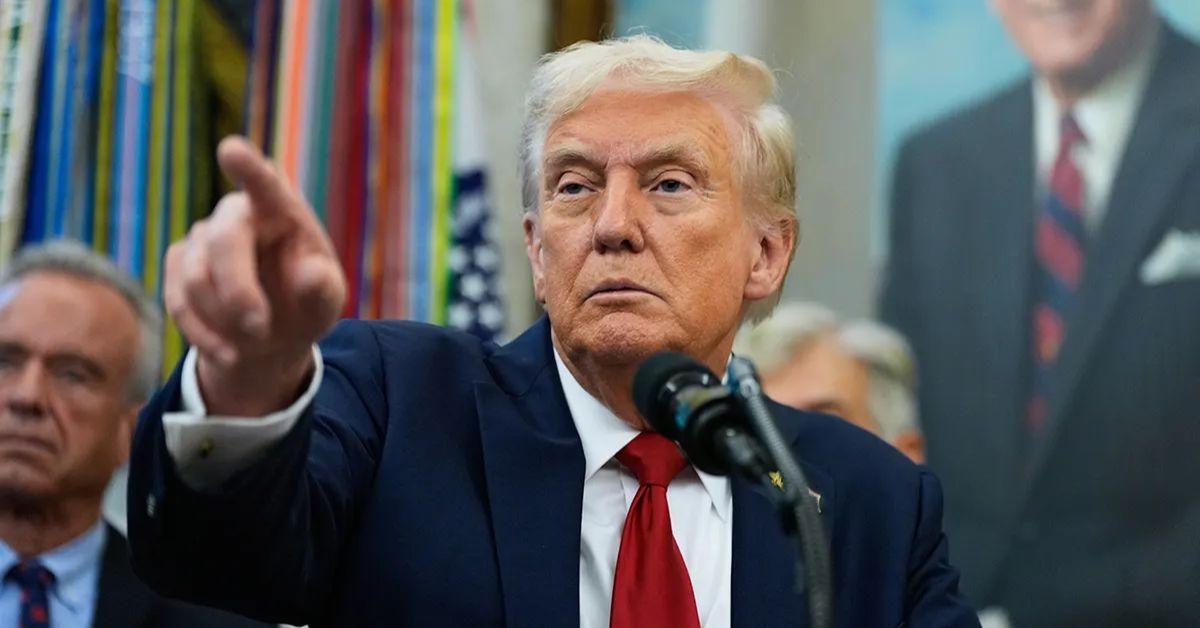
President Donald Trump has invoked a Cold War-era law to increase domestic energy production, framing the move as essential for national defense and energy security.
The decision centers on the use of the Defense Production Act, a law historically used to prioritize resources for national emergencies. By applying it to energy production, the administration is emphasizing the importance of securing reliable domestic energy supplies.
Focus on Fossil Fuel Expansion
Under the new directive, the administration has signed memorandums to support energy-related projects, particularly those tied to fossil fuel production. The goal is to accelerate development and reduce reliance on external energy sources.
Officials believe that increasing domestic production will strengthen the country’s ability to respond to national security challenges while stabilizing supply chains.
National Defense Framing
The administration has positioned energy production as a national defense priority. By linking energy supply to defense readiness, the move signals a strategic shift in how energy policy is approached.
This framing allows the government to prioritize certain projects and streamline processes that might otherwise face delays.
Market and Industry Impact
The policy is expected to influence both domestic and global energy markets. Increased production could lead to shifts in supply dynamics, potentially affecting pricing and competition.
Energy companies may benefit from expanded opportunities, while other stakeholders will be watching closely to assess the broader implications.
Stakeholder Response and Future Outlook
The long-term impact of the policy will depend on how key stakeholders respond. Energy companies, policymakers, and other groups are expected to evaluate the decision and its consequences.
As the situation develops, attention will remain on how the policy is implemented and whether it leads to sustained changes in energy production and market behavior.
Conclusion
Trump’s invocation of a Cold War-era law marks a significant move in U.S. energy policy, emphasizing domestic production and national security. While the immediate goal is to boost energy supply, the broader effects will depend on industry response and future developments.
Further updates will clarify how this decision reshapes the energy landscape and influences both domestic and global markets.