

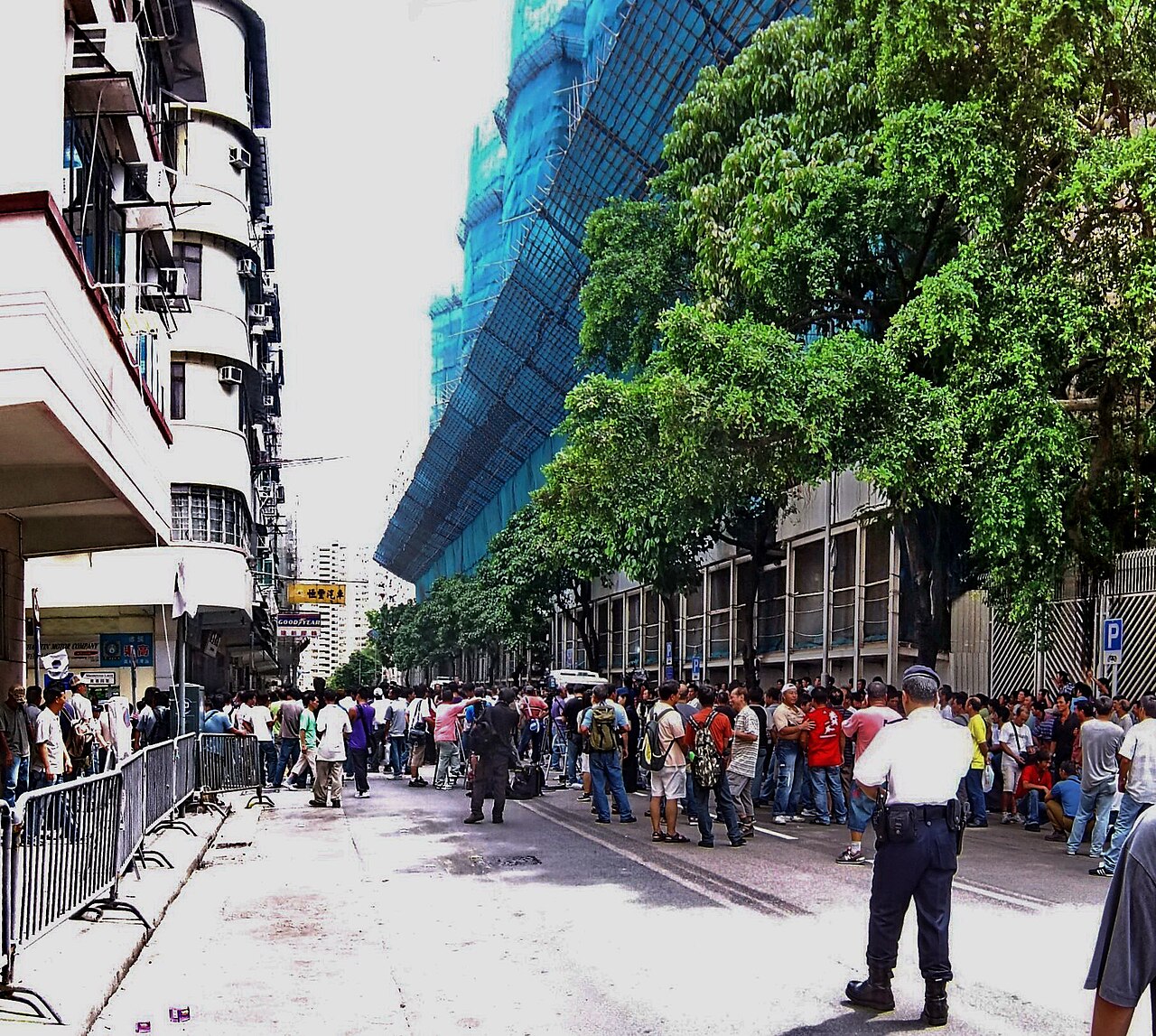

Quick Summary: Obafemi Owode Protesting Road Remains Unfinished
- Residents of Obafemi Owode are protesting the unfinished road project promised by Governor Dapo Abiodun in 2023.
- The Mowe-Ofada Road, linking 15 communities, remains in poor condition despite government assurances.
- Only one lane of the 8-kilometre road was partially fixed, leaving the other lane neglected.
- Residents face increased transport costs and economic losses due to the road’s poor state.
- No new contract or completion timeline has been announced by the Ogun State government.
Source: Read original article
In Obafemi Owode, frustration is boiling over as residents protest the government’s failure to complete a crucial road project. Promised by Governor Dapo Abiodun in 2023, the Mowe-Ofada Road remains a symbol of neglect, linking 15 communities to the Lagos-Ibadan Expressway yet staying in a deplorable state.
The road, a vital corridor for both residents and businesses, has seen only partial repairs, with just one lane fixed. This incomplete work has left the other lane in disrepair, forcing residents to endure higher transport costs and economic hardships. The neglect is not just a technical issue but a political one, as residents accuse the Ogun State government of recycling empty promises.
Governor Abiodun’s assurance in 2023 that the road would be completed with a durable binder and wearing course has not materialized. Efforts to obtain a response from the Commissioner for Works have been unsuccessful, leaving residents in limbo. The situation is exacerbated by the road’s strategic importance, near Lagos and the RCCG Redemption City, making its completion politically rewarding yet still unachieved.
As the May 2026 report highlights ongoing protests and unfulfilled promises, the pressure mounts on Ogun State officials to act. Without a new contract or clear timeline, the road remains a contentious issue, with residents poised for further action and media scrutiny. The question now is whether the government will finally deliver on its promise before Governor Abiodun’s term ends in 2027.
Residents are accusing the Ogun State government of recycling promises while leaving economically important corridors unusable, while the state’s side, at least in the most recent cited public statement, is still resting on Governor Abiodun’s own 2023 assurance. What happens next depends on whether Ogun State officials answer the renewed pressure with a site mobilization or a fresh public explanation; absent that, the next phase of the story is likely to be more resident action, more media scrutiny, and a sharper test of whether Abiodun’s administration can close out a promise before his tenure ends on May 29, 2027.
The freshest reporting points to a wider political problem rather than a road crew on the ground: as of May 18, 2026, residents in the Mowe-Ofada axis of Obafemi Owode were still publicly protesting that an 8-kilometre road Governor Dapo Abiodun promised to complete in 2023 remains largely unfinished, sharpening the same neglect narrative raised in the FIJ story. Over the last seven days, the key dated development is the publication of the May 18, 2026 report documenting active resident protest and restating the unfulfilled September 12, 2023 pledge.
Western Post reported six days ago that the Mowe-Ofada Road links at least 15 communities to the Lagos-Ibadan Expressway, yet residents say the trunk B road has stayed in a deplorable state for more than a decade. The most compelling new revelation, then, is not that the roads are bad — that has been true for years — but that recent reporting shows the neglect is still active and measurable in 2026 despite a named pledge, a date, a road length, and visible but incomplete work.
Western Post’s account says the government’s campaign-era and post-campaign assurances did not translate into a completed 8-kilometre project, and the phrase “they only fixed one lane and disappeared” gives the dispute a vivid, checkable claim. Badmus said that when rain falls, parts of the route around Tipper Garage axis and TVS Junction become “almost impassable,” forcing residents to leave vehicles at home and pay higher transport fares.
The organizations in play are the Ogun State Government and the affected community associations across Mowe and Ofada in Obafemi Owode LGA. As of now, there is no sign in the latest public reporting of a new contract award, a firm completion deadline, a legislative hearing, or a government rebuttal with timelines.
Governor Abiodun’s assurance in 2023 that the road would be completed with a durable binder and wearing course has not materialized. Over the last seven days, the key dated development is the publication of the May 18, 2026 report documenting active resident protest and restating the unfulfilled September 12, 2023 pledge.
The Mowe-Ofada Road, linking 15 communities, remains in poor condition despite government assurances. Western Post reported six days ago that the Mowe-Ofada Road links at least 15 communities to the Lagos-Ibadan Expressway, yet residents say the trunk B road has stayed in a deplorable state for more than a decade.
The most compelling new revelation, then, is not that the roads are bad — that has been true for years — but that recent reporting shows the neglect is still active and measurable in 2026 despite a named pledge, a date, a road length, and visible but incomplete work. Western Post’s account says the government’s campaign-era and post-campaign assurances did not translate into a completed 8-kilometre project, and the phrase “they only fixed one lane and disappeared” gives the dispute a vivid, checkable claim.
In Obafemi Owode, frustration is boiling over as residents protest the government’s failure to complete a crucial road project. Badmus said that when rain falls, parts of the route around Tipper Garage axis and TVS Junction become “almost impassable,” forcing residents to leave vehicles at home and pay higher transport fares.
The scale and speed of this development has caught many observers off guard. Each new update adds another dimension to a story that is still unfolding, and the full picture will only become clear as more verified details emerge from the people and institutions directly involved.
Analysts who have tracked this issue closely say the current moment represents a genuine turning point. The decisions made in the coming weeks are expected to set the direction for months ahead, with ripple effects likely to extend well beyond the immediate actors in the story.
For those directly affected, the practical impact is already visible. People navigating this fast-changing situation are dealing with real consequences while new information continues to reshape what is known and what remains open to interpretation.
Historical parallels offer some context, though experts caution against drawing too close a comparison. Similar situations have played out before, but the specific combination of pressures, personalities, and timing here makes this moment distinct in ways that matter for how it ultimately resolves.
The political and economic dimensions of this story are deeply intertwined. What appears as a single event on the surface is in practice the convergence of multiple pressures that have been building quietly over a longer period than most public reporting has captured.