


Quick Summary: IEEFA Reports 7% Decline in China LNG Imports
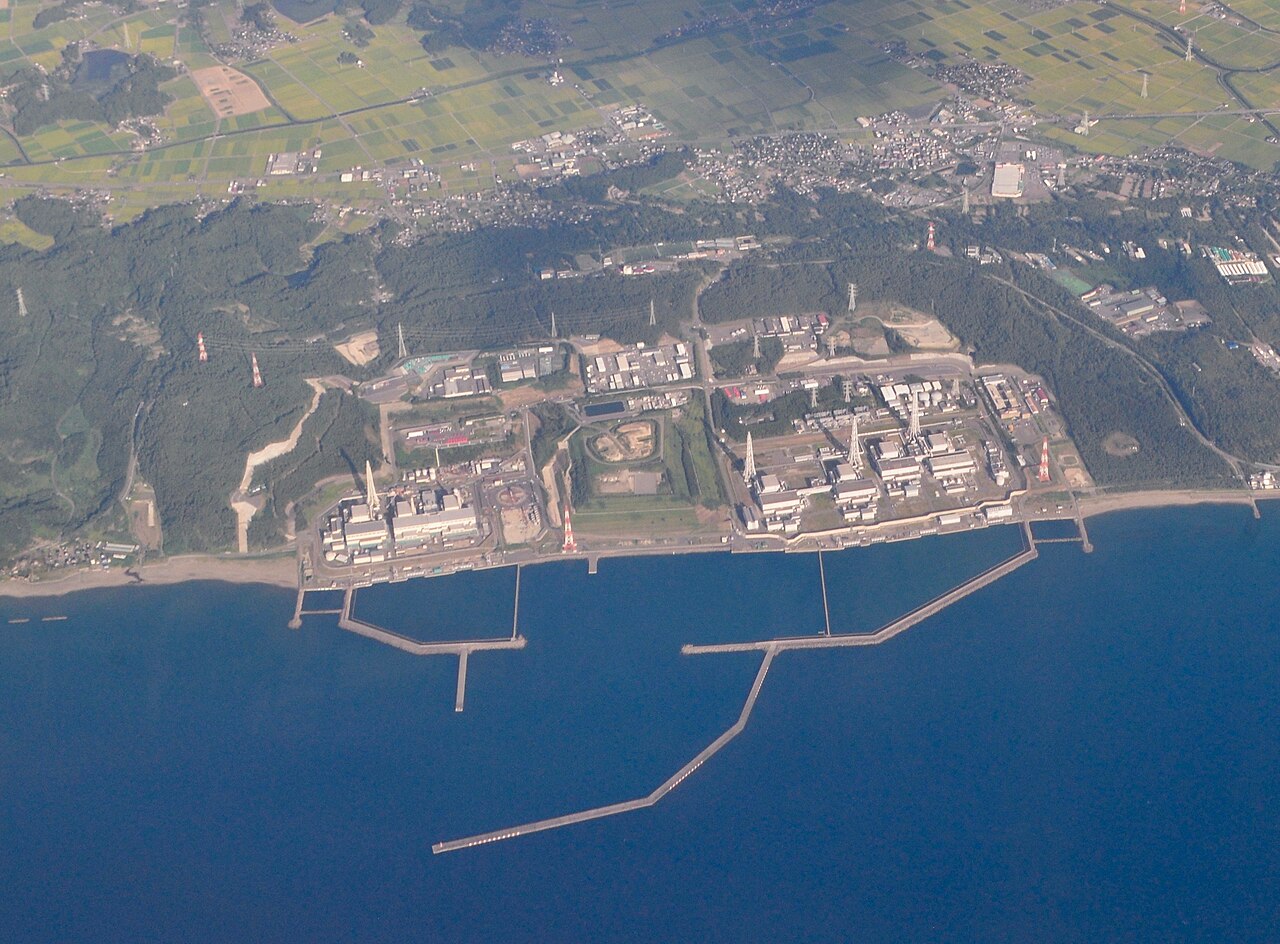
- Tokyo’s strategic pivot towards nuclear energy is highlighted by TEPCO’s Kashiwazaki-Kariwa Unit 6, which could significantly reduce LNG imports.
- IEEFA reported a 7% drop in China’s LNG imports in early 2026, with forecasts predicting further declines.
- Japan’s coal-fired plants face operational challenges due to fuel shortages, pushing a shift towards nuclear energy.
- India’s LNG imports from Qatar and UAE fell to zero, prompting a reliance on coal and renewables.
- Asia’s energy strategy is rapidly evolving, with nuclear and renewables gaining ground as LNG’s reliability is questioned.
Source: Read original article
Asia’s energy landscape is undergoing a seismic shift, with nuclear power emerging as a strategic focal point amid growing skepticism about LNG’s reliability. TEPCO’s Kashiwazaki-Kariwa Unit 6 exemplifies this pivot, promising to cut LNG imports significantly. IEEFA Reported is at the center of this development.
China and India are at the forefront of this transformation. China’s LNG imports have plummeted, and India has turned to coal and renewables as Gulf supply disruptions persist. The Institute for Energy Economics and Financial Analysis (IEEFA) warns that LNG’s reputation may suffer long-term damage, prompting countries to reconsider their energy strategies.
Japan’s energy strategy reflects the broader regional trend. With coal-fired plants struggling due to fuel shortages, the country is increasingly looking to nuclear power. Prime Minister Sanae Takaichi’s push for nuclear restarts underscores this shift.
As Asia navigates this energy crisis, the region’s reliance on LNG is being reevaluated. The shift towards nuclear and renewables marks a significant departure from previous strategies, highlighting the need for a more resilient energy mix.
Tokyo’s bigger strategic pivot is toward nuclear: TEPCO’s Kashiwazaki-Kariwa Unit 6, with capacity of 1,356 MW, restarted on January 21 and entered commercial operation on April 16, and Prime Minister Sanae Takaichi has said that KK6 combined with more coal-fired generation could reduce LNG imports moving through the Strait of Hormuz by about 40%. It reported that spot LNG prices in Asia have doubled since hostilities began and are “widely projected” to stay elevated through 2027, while 17% of Qatar’s LNG export capacity could remain offline for up to five years.
IEEFA said China’s LNG imports in the first quarter of 2026 fell 7% from already weak 2025 levels, and forecast annual imports would decline again this year to 59 million tonnes, an 11% drop. In a briefing published this month, IEEFA said J-Power’s 2,000-megawatt Matsuura coal-fired plant cut output by 50% in March because it struggled to secure diesel for plant operations, while JFE Steel’s Fukuyama facility halted a thermal unit because of a heavy-oil shortage.
4 million tonnes after the Iran-linked disruption effectively shut in 20% of global LNG supply from Qatar and the UAE and sent governments scrambling for coal, nuclear and renewables instead. 6 million tonnes of LNG in March, down 20% year on year, after imports from Qatar and the UAE fell to zero by the end of the month.
India is especially exposed because nearly 60% of its LNG supply had come from those two Gulf producers. The practical next phase is likely to revolve around summer power demand, LNG procurement decisions for late 2026 and 2027, and whether governments lock in emergency measures as permanent capacity choices.
1% in April from a year earlier, the fourth straight monthly increase, even as coal output itself slipped 1%, underscoring how hard Beijing is leaning on fossil generation to keep power stable while wind and nuclear output softened. On May 25, IEEFA published fresh analysis arguing the “largest energy crisis” on record has been held at bay only temporarily and warning of more pain ahead.
In a briefing published this month, IEEFA said J-Power’s 2,000-megawatt Matsuura coal-fired plant cut output by 50% in March because it struggled to secure diesel for plant operations, while JFE Steel’s Fukuyama facility halted a thermal unit because of a heavy-oil shortage. 4 million tonnes after the Iran-linked disruption effectively shut in 20% of global LNG supply from Qatar and the UAE and sent governments scrambling for coal, nuclear and renewables instead.
6 million tonnes of LNG in March, down 20% year on year, after imports from Qatar and the UAE fell to zero by the end of the month. India is especially exposed because nearly 60% of its LNG supply had come from those two Gulf producers.
The scale and speed of this development has caught many observers off guard. Each new update adds another dimension to a story that is still unfolding, and the full picture will only become clear as more verified details emerge from the people and institutions directly involved.
Analysts who have tracked this issue closely say the current moment represents a genuine turning point. The decisions made in the coming weeks are expected to set the direction for months ahead, with ripple effects likely to extend well beyond the immediate actors in the story.
For those directly affected, the practical impact is already visible. People navigating this fast-changing situation are dealing with real consequences while new information continues to reshape what is known and what remains open to interpretation.
Historical parallels offer some context, though experts caution against drawing too close a comparison. Similar situations have played out before, but the specific combination of pressures, personalities, and timing here makes this moment distinct in ways that matter for how it ultimately resolves.
The political and economic dimensions of this story are deeply intertwined. What appears as a single event on the surface is in practice the convergence of multiple pressures that have been building quietly over a longer period than most public reporting has captured.