


Quick Summary: Guterres Warns of Record Global Conflicts and Calls for UN Security Council Reform
- António Guterres declared the highest number of global conflicts since the UN’s founding, highlighting a systemic failure.
- Guterres warned the UN Charter is under profound strain, with core principles being ignored.
- He cited specific conflicts in the Middle East, Sudan, and Ukraine as evidence of the crisis.
- Over 100 countries participated in the Security Council debate, indicating the issue’s global significance.
- Guterres called for Security Council reform to reflect today’s geopolitical realities.
Source: Read original article
In a stark declaration at the UN Security Council, António Guterres sounded the alarm: the world is grappling with the highest number of conflicts since the United Nations was established. This isn’t just a bureaucratic warning; it’s a clarion call that the international system is failing in real-time. Guterres Warns is at the center of this development.
Guterres didn’t mince words. He argued that the UN Charter, which he described as a ‘survival guide for humanity,’ is under profound strain. The rules-based order is not just stressed but selectively ignored, with major powers flouting international law. From the Middle East to Ukraine, the evidence of this crisis is mounting.
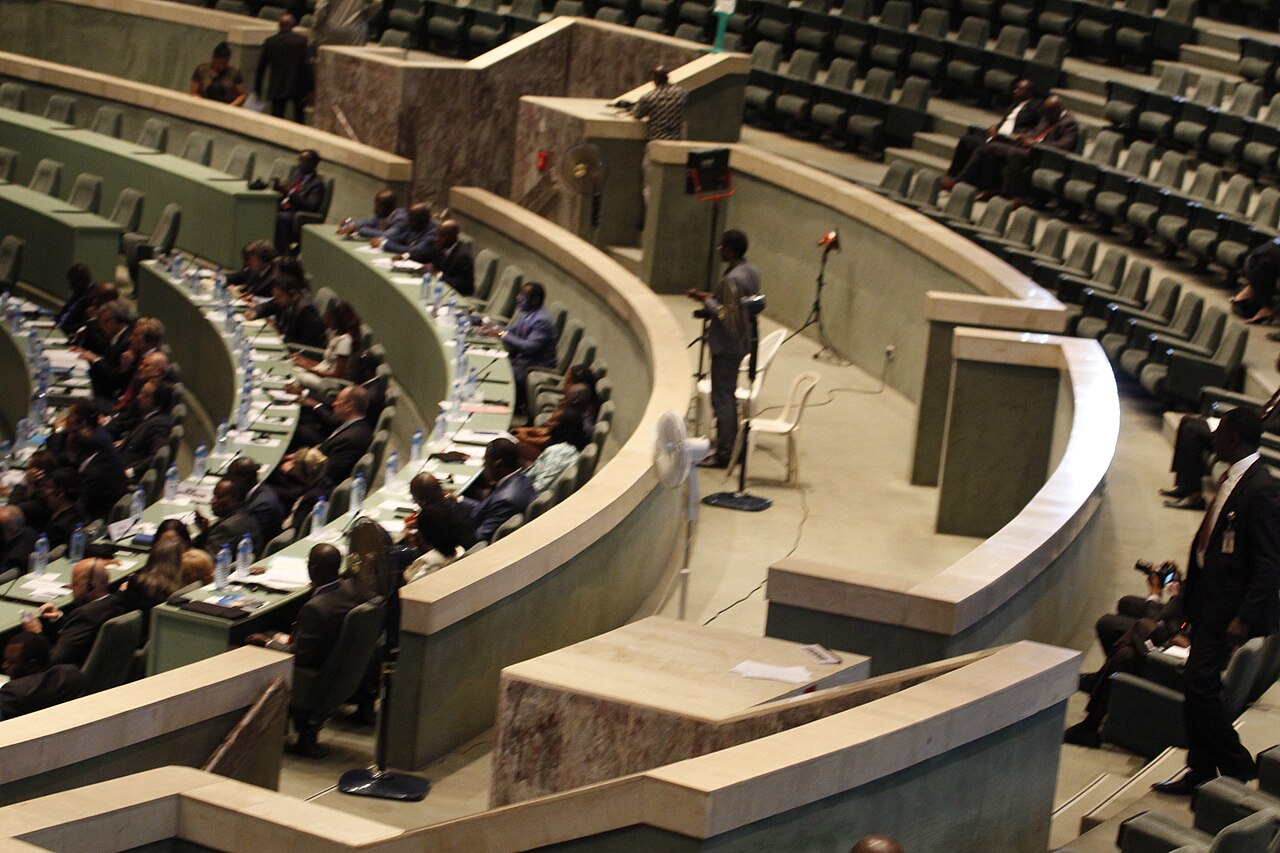
More than 100 nations, including over 20 foreign ministers, convened for this pivotal debate, underscoring the global urgency of the issue. Yet, the question remains: can the Security Council reform itself to meet today’s challenges, or will it remain paralyzed by the very powers it was designed to regulate?
The key event was the May 26, 2026 Security Council open debate on “Upholding the Purposes and Principles of the UN Charter and Strengthening the UN-Centred International System,” convened under China’s rotating presidency. Reporting published on May 26 and May 27 shows the meeting is now being framed as a major marker in the UN’s 2026 agenda, not a one-day rhetorical exercise.
The remarks came on Tuesday, May 26, 2026, during a Security Council debate chaired by Chinese Foreign Minister Wang Yi. The biggest new development is that António Guterres used a high-level UN Security Council session on May 26 to declare that the world now faces the highest number of conflicts since the UN was founded, turning what looked like a broad institutional warning into a pointed indictment of a system he says is failing in real time.
One concrete number that stands out from the live UN reporting is the scale of diplomatic attention: more than 100 countries were expected to speak at the May 26 debate, and Chinese state and UN-linked reporting said representatives from over 100 countries, including more than 20 foreign ministers and senior delegates, attended. Wang Yi, presiding as Council president for May, used the session to argue that the international community should “defend, revitalize and strengthen” the UN, turning the meeting into both a warning from Guterres and a geopolitical platform for China’s multilateral message.
That combination matters because it shows the UN chief tying the Charter debate to simultaneous crises involving Russia, Israel, Iran and multiple active war zones, not just a single regional emergency. ” Right now, the story stands out because the UN chief is effectively saying the Charter still exists on paper, but the world’s most powerful states are deciding in practice how much of it they still want to obey.
That broadens the story beyond current wars: the UN chief is arguing that even as states spend more on arms, the money and political bandwidth for aid, mediation and prevention are shrinking, making future conflicts more likely and more technologically dangerous. ” He told the Council that “we now face the highest number of conflicts since the founding of the United Nations,” a striking benchmark because it frames the crisis not as rhetorical alarm but as a measurable peak in the UN era.
The biggest new development is that António Guterres used a high-level UN Security Council session on May 26 to declare that the world now faces the highest number of conflicts since the UN was founded, turning what looked like a broad institutional warning into a pointed indictment of a system he says is failing in real time. Wang Yi, presiding as Council president for May, used the session to argue that the international community should “defend, revitalize and strengthen” the UN, turning the meeting into both a warning from Guterres and a geopolitical platform for China’s multilateral message.
Guterres warned the UN Charter is under profound strain, with core principles being ignored. ” Right now, the story stands out because the UN chief is effectively saying the Charter still exists on paper, but the world’s most powerful states are deciding in practice how much of it they still want to obey.
The scale and speed of this development has caught many observers off guard. Each new update adds another dimension to a story that is still unfolding, and the full picture will only become clear as more verified details emerge from the people and institutions directly involved.
Analysts who have tracked this issue closely say the current moment represents a genuine turning point. The decisions made in the coming weeks are expected to set the direction for months ahead, with ripple effects likely to extend well beyond the immediate actors in the story.
For those directly affected, the practical impact is already visible. People navigating this fast-changing situation are dealing with real consequences while new information continues to reshape what is known and what remains open to interpretation.
Historical parallels offer some context, though experts caution against drawing too close a comparison. Similar situations have played out before, but the specific combination of pressures, personalities, and timing here makes this moment distinct in ways that matter for how it ultimately resolves.
The political and economic dimensions of this story are deeply intertwined. What appears as a single event on the surface is in practice the convergence of multiple pressures that have been building quietly over a longer period than most public reporting has captured.