


Quick Summary: Renovation Benito Juárez International Airport in Mexico City Remains Under Construction
- Benito Juárez International Airport in Mexico City remains under construction, with a $500 million renovation underway as the 2026 FIFA World Cup approaches.
- The airport’s overhaul is crucial as Mexico anticipates a surge in international arrivals for the tournament.
- Volaris has announced 33 new routes to meet World Cup demand, highlighting the aviation sector’s expansion.
- Estimates suggest the World Cup could create up to 100,000 temporary jobs in Mexico City, emphasizing economic optimism.
- Mexico has agreed to host Iran’s World Cup team after the U.S. declined, adding a geopolitical dimension to the event.
Source: Read original article
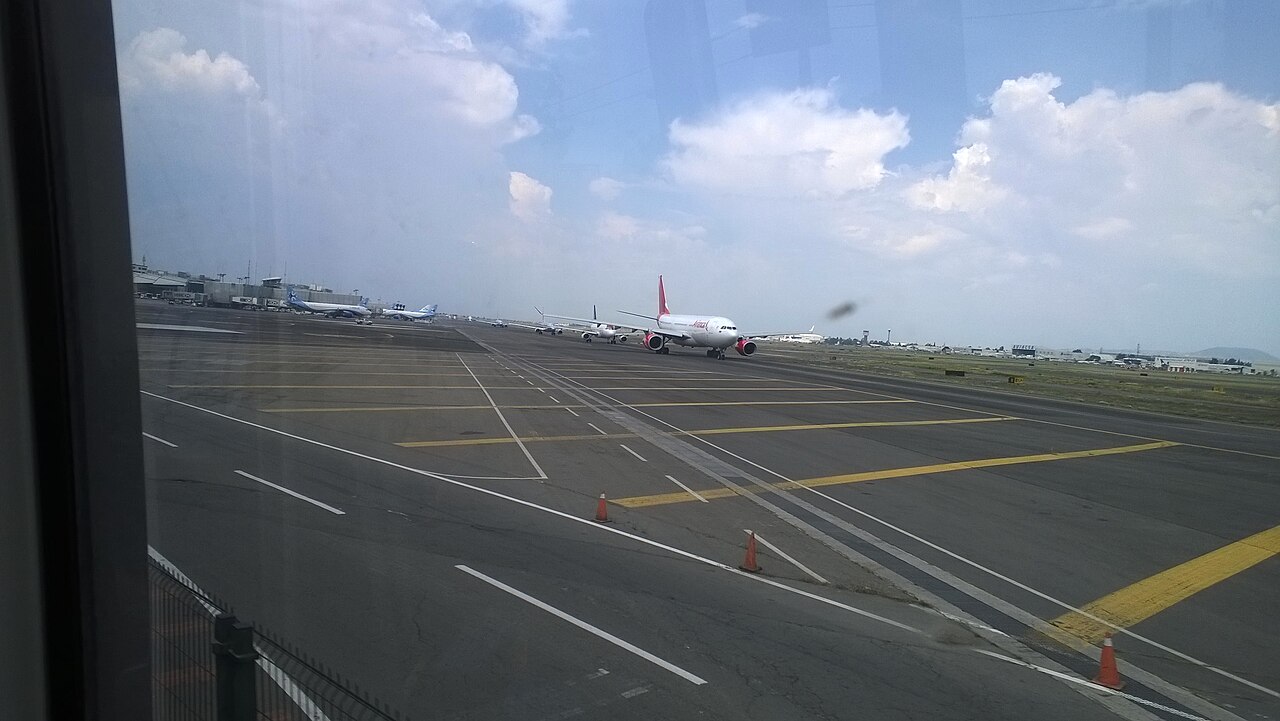
As the 2026 FIFA World Cup looms, Mexico finds itself in a high-stakes race against time. The heart of the matter is whether the country’s infrastructure, particularly Benito Juárez International Airport, can meet the demands of a global event of this magnitude. With a $500 million renovation still in progress, the airport remains a chaotic construction site, buzzing with activity as the clock ticks down to the tournament’s opening match.
This renovation is not just a cosmetic upgrade; it’s a critical component of Mexico’s strategy to handle the influx of international visitors. The urgency is palpable, as airlines like Volaris ramp up their operations, adding 33 new routes to accommodate the anticipated surge in travel. This expansion is a bold bet on the World Cup’s potential to generate sustained demand, not just a temporary spike.
Beyond the logistical challenges, the World Cup is poised to be an economic boon for Mexico. Estimates suggest it could create between 24,000 and 100,000 jobs in Mexico City alone, spanning sectors like tourism, hospitality, and transportation. However, this optimistic outlook is tempered by the reality of geopolitical tensions, as Mexico steps in to host Iran’s team after the U.S. declined.
The core question now is whether Mexico’s infrastructure can rise to the occasion. With the tournament’s opening just around the corner, the pressure is on to ensure that expanded flight networks and ground transportation systems function seamlessly. The outcome will not only impact the World Cup’s success but also shape Mexico’s international reputation.
W Radio reported on May 21 that official and business estimates suggest the 2026 World Cup could generate from 24,000 direct jobs to more than 100,000 temporary positions in Mexico City alone, especially across tourism, hotels, transport, construction and digital services. AP reported on May 20 that Benito Juárez International Airport in Mexico City is still a “chaotic construction site” with buzzing drills, scattered pipes and unfinished flooring while the 2026 FIFA World Cup opening match is set for June 11 in Mexico City.
Travel And Tour World reported that Volaris has announced 33 new routes tied to World Cup demand, framing the move as part of a broader push to improve access to host cities including Mexico City, Monterrey and Guadalajara. AP reported on May 25 that Mexican President Claudia Sheinbaum said she has “no issue” with Mexico hosting Iran’s World Cup team after the team’s base was moved from the United States to Tijuana.
The airport overhaul carries a price tag of about $500 million, and the urgency is obvious because Mexico is preparing for a last-minute wave of international arrivals tied to the tournament. ” One day earlier, AP had reported that Iran Football Federation chief Mehdi Taj said FIFA had approved the move.
Bloomberg reported on May 15 that Mexico is cracking down on ride-hailing apps such as Uber and Didi at airports, a move already causing headaches for travelers just as World Cup demand is building. The immediate deadline is June 11, 2026, when the tournament opens in Mexico City, meaning officials have only days to finish airport works, settle transport bottlenecks and prove that expanded flight networks can translate into a functioning arrival system.
The next reporting to watch will be whether the $500 million airport project actually reaches operational readiness, whether the Uber-airport crackdown is relaxed or enforced during peak arrivals, and whether Iran’s Tijuana base triggers any further FIFA or diplomatic fallout. Sheinbaum described what she said FIFA told her: “The United States doesn’t want the Iranian national team to stay overnight in the United States,” and added that Mexico responded, “Yes, no problem.
AP reported on May 20 that Benito Juárez International Airport in Mexico City is still a “chaotic construction site” with buzzing drills, scattered pipes and unfinished flooring while the 2026 FIFA World Cup opening match is set for June 11 in Mexico City. As the 2026 FIFA World Cup looms, Mexico finds itself in a high-stakes race against time.
With a $500 million renovation still in progress, the airport remains a chaotic construction site, buzzing with activity as the clock ticks down to the tournament’s opening match. The airport overhaul carries a price tag of about $500 million, and the urgency is obvious because Mexico is preparing for a last-minute wave of international arrivals tied to the tournament.
The immediate deadline is June 11, 2026, when the tournament opens in Mexico City, meaning officials have only days to finish airport works, settle transport bottlenecks and prove that expanded flight networks can translate into a functioning arrival system. The next reporting to watch will be whether the $500 million airport project actually reaches operational readiness, whether the Uber-airport crackdown is relaxed or enforced during peak arrivals, and whether Iran’s Tijuana base triggers any further FIFA or diplomatic fallout.
Sheinbaum described what she said FIFA told her: “The United States doesn’t want the Iranian national team to stay overnight in the United States,” and added that this topic responded, “Yes, no problem. Estimates suggest the World Cup could create up to 100,000 temporary jobs in this topic City, emphasizing economic optimism.
The scale and speed of this development has caught many observers off guard. Each new update adds another dimension to a story that is still unfolding, and the full picture will only become clear as more verified details emerge from the people and institutions directly involved.
Analysts who have tracked this issue closely say the current moment represents a genuine turning point. The decisions made in the coming weeks are expected to set the direction for months ahead, with ripple effects likely to extend well beyond the immediate actors in the story.
For those directly affected, the practical impact is already visible. People navigating this fast-changing situation are dealing with real consequences while new information continues to reshape what is known and what remains open to interpretation.
Historical parallels offer some context, though experts caution against drawing too close a comparison. Similar situations have played out before, but the specific combination of pressures, personalities, and timing here makes this moment distinct in ways that matter for how it ultimately resolves.
The political and economic dimensions of this story are deeply intertwined. What appears as a single event on the surface is in practice the convergence of multiple pressures that have been building quietly over a longer period than most public reporting has captured.