


Quick Summary: Trump Sparked Bipartisan Resistance and Lawsuits
- Trump’s $1.776 billion fund has sparked bipartisan resistance and lawsuits, with critics calling it politically toxic.
- The fund was created as part of a settlement with the IRS, meant to compensate those claiming victimization by federal ‘weaponization.’.
- Critics argue the fund was established without a congressional vote, turning a personal grievance into a taxpayer-backed payout.
- A lawsuit has been filed to block payouts, and Congress is moving legislation to prohibit federal money from being used for the fund.
- The fund’s secrecy and lack of public scrutiny have intensified the backlash, with calls for greater transparency.
Source: Read original article
Trump’s: Key Takeaways
In a political landscape already fraught with division, Trump’s $1.776 billion ‘Anti-Weaponization Fund’ has ignited a firestorm of controversy. What began as a settlement with the IRS over leaked tax returns has morphed into a contentious issue drawing ire from both sides of the aisle.
The fund, ostensibly created to compensate those alleging harm from federal overreach, is now under siege. Critics argue that this fund was established without a direct congressional mandate, effectively transforming a personal grievance into a taxpayer-funded payout system. Lawsuits have been filed, and legislation is being introduced to halt its operations.
The secrecy surrounding the fund has only fueled the controversy. With a five-member panel controlling the distribution of funds and operating largely out of public view, concerns about transparency are mounting. Reports indicate that even some of Trump’s Republican allies are uneasy with the fund’s implications.
This fund has become a flashpoint, not just for its size, but for what it represents: a potential overreach of executive power and the bypassing of congressional oversight. As lawsuits and legislative efforts unfold, the fund’s future remains uncertain, but it has undeniably become a symbol of the broader debate over government accountability and transparency.
By roughly May 23, the Washington Post had advanced the secrecy story, and within the last six days AP reported the new lawsuit seeking to block payouts. 776 billion pool under rules critics say are vague and opaque; if the courts or Congress intervene, the fund could become a test case for how far an administration can stretch the government’s settlement machinery without explicit new appropriations.
” At the same time, House lawmakers moved legislation to prohibit federal money from being used “to create or make payments” from the fund, according to Axios, and ABC reported that Reps. 8 billion goes, under what standards, and with how little public visibility.
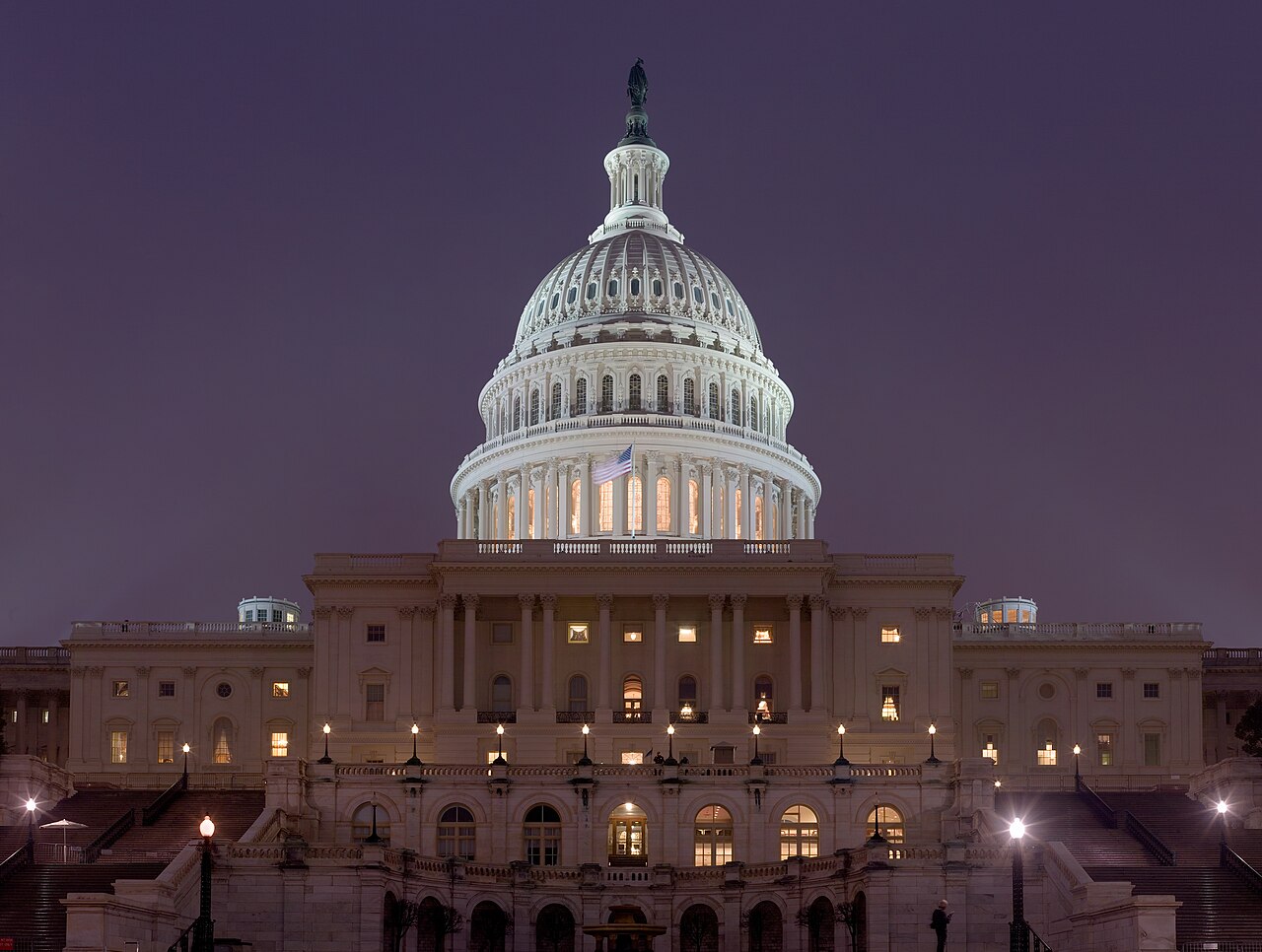
8 billion fund helped stall or complicate movement on a key Republican immigration enforcement package, a sign that the fund is already affecting unrelated high-priority legislation. 776 billion “Anti-Weaponization Fund” is no longer just drawing Democratic outrage; it has now triggered lawsuits, bipartisan resistance on Capitol Hill, and fresh reporting that even some Republican allies view it as politically toxic.
On May 20, Axios reported Democrats were moving legislation to shut it down, and the Washington Post reported Democrats were already planning future investigations. On May 21, Reuters-style coverage and Senate reporting showed the backlash spreading, including concerns from congressional Republicans.
On May 18, Axios reported the settlement that created the fund. The most consequential reporting this week is that opponents are no longer merely denouncing the fund — they are actively trying to stop it in court and in Congress.
By roughly May 23, the Washington Post had advanced the secrecy story, and within the last six days AP reported the new lawsuit seeking to block payouts. 776 billion fund has sparked bipartisan resistance and lawsuits, with critics calling it politically toxic.
A lawsuit has been filed to block payouts, and Congress is moving legislation to prohibit federal money from being used for the fund. 776 billion ‘Anti-Weaponization Fund’ has ignited a firestorm of controversy.
The fund, ostensibly created to compensate those alleging harm from federal overreach, is now under siege. ” At the same time, House lawmakers moved legislation to prohibit federal money from being used “to create or make payments” from the fund, according to Axios, and ABC reported that Reps.
8 billion goes, under what standards, and with how little public visibility. 776 billion “Anti-Weaponization Fund” is no longer just drawing Democratic outrage; it has now triggered lawsuits, bipartisan resistance on Capitol Hill, and fresh reporting that even some Republican allies view it as politically toxic.
The scale and speed of this development has caught many observers off guard. Each new update adds another dimension to a story that is still unfolding, and the full picture will only become clear as more verified details emerge from the people and institutions directly involved.
Analysts who have tracked this issue closely say the current moment represents a genuine turning point. The decisions made in the coming weeks are expected to set the direction for months ahead, with ripple effects likely to extend well beyond the immediate actors in the story.
For those directly affected, the practical impact is already visible. People navigating this fast-changing situation are dealing with real consequences while new information continues to reshape what is known and what remains open to interpretation.
Historical parallels offer some context, though experts caution against drawing too close a comparison. Similar situations have played out before, but the specific combination of pressures, personalities, and timing here makes this moment distinct in ways that matter for how it ultimately resolves.
The political and economic dimensions of this story are deeply intertwined. What appears as a single event on the surface is in practice the convergence of multiple pressures that have been building quietly over a longer period than most public reporting has captured.