

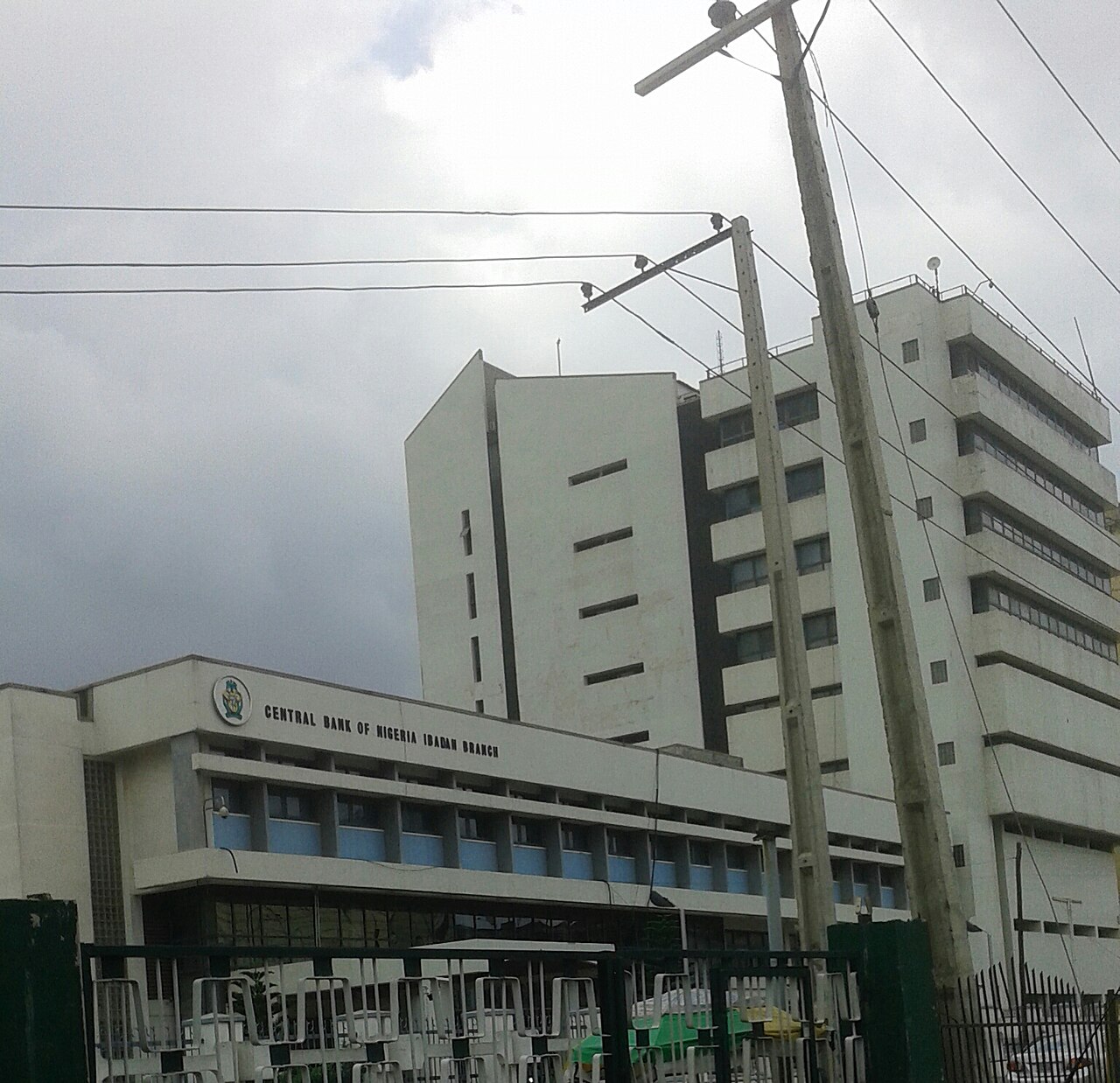

Quick Summary: Nigerian Banks Raised Significant Recapitalisation Effort
- Nigerian banks raised ₦4.65 trillion, with 72.5% from domestic investors, marking a significant recapitalisation effort.
- Despite the capital influx, banks face a high-risk lending market and lower yields on fixed-income securities.
- The Securities and Exchange Commission played a crucial role in facilitating the recapitalisation with accelerated approvals.
- Critics argue the recapitalisation may lead to excessive liquidity and potential asset price inflation.
- The recapitalisation coincided with a significant stock market boom, raising concerns about sustainable growth.
Source: Read original article
Nigeria’s banking sector has just undergone a monumental recapitalisation, raising ₦4.65 trillion. While this financial feat showcases the maturity of Nigeria’s capital markets, it also opens a Pandora’s box of potential risks. Nigerian is at the center of this development.
The recapitalisation, largely funded by domestic investors, signals a shift in the financial landscape. However, the celebration is tempered by concerns over a high-risk lending environment and diminishing returns from traditional fixed-income investments. Critics argue that the influx of capital may not translate into economic growth but could instead inflate asset prices.
Despite these concerns, the Securities and Exchange Commission’s role in ensuring a smooth recapitalisation process has been commendable. The stock market has responded with unprecedented gains, yet this raises questions about the sustainability of such growth.
As Nigeria navigates this new financial terrain, the real test lies ahead. Will the recapitalised banks channel their newfound capital into productive sectors, or will they succumb to the allure of safer, speculative investments? The answer will determine whether this recapitalisation is a genuine step forward or merely a larger iteration of past banking models.
Guardian’s more skeptical follow-up says banks are emerging “better capitalised but face lower yield and a high-risk lending market,” because falling fixed-income yields are eroding the easy profits banks enjoyed from government securities in 2024 and early 2025. The CBN recapitalisation circular was issued in March 2024, the programme formally ended on March 31, 2026, and the latest Guardian reporting landed on May 29, 2026.
Paul Uzum of Halo Capital Management said the immediate post-recapitalisation risk is excess liquidity and warned that conservative asset allocation could dilute returns on the newly raised money. 4 billion was worth far more in dollar terms.
The concern is that earnings per share may not jump in 2026 even after the recapitalisation, because banks must now put more capital to work in an economy where the “real sector” remains difficult to lend to profitably, with power, roads and other infrastructure still weak. 6 trillion market-cap gain, which the SEC described as the largest single-month equity-market gain on record.
The SEC is being credited for accelerated approvals, investor-protection measures and countering misinformation during the 24-month process. Other market voices are framing the risk more in terms of returns than systemic danger.
The CBN under Governor Olayemi Cardoso says the exercise has “strengthened the banking system’s ability to withstand shocks and support economic growth,” and says capital adequacy ratios are now above Basel benchmarks, with minimum thresholds still at 10 percent for regional and national banks and 15 percent for international banks. 5 percent of the money coming from domestic investors rather than foreign capital.
5% from domestic investors, marking a significant recapitalisation effort. Paul Uzum of Halo Capital Management said the immediate post-recapitalisation risk is excess liquidity and warned that conservative asset allocation could dilute returns on the newly raised money.
6 trillion market-cap gain, which the SEC described as the largest single-month equity-market gain on record. The SEC is being credited for accelerated approvals, investor-protection measures and countering misinformation during the 24-month process.
Despite the capital influx, banks face a high-risk lending market and lower yields on fixed-income securities. However, the celebration is tempered by concerns over a high-risk lending environment and diminishing returns from traditional fixed-income investments.
The recapitalisation coincided with a significant stock market boom, raising concerns about sustainable growth. While this financial feat showcases the maturity of Nigeria’s capital markets, it also opens a Pandora’s box of potential risks.
The scale and speed of this development has caught many observers off guard. Each new update adds another dimension to a story that is still unfolding, and the full picture will only become clear as more verified details emerge from the people and institutions directly involved.
Analysts who have tracked this issue closely say the current moment represents a genuine turning point. The decisions made in the coming weeks are expected to set the direction for months ahead, with ripple effects likely to extend well beyond the immediate actors in the story.
For those directly affected, the practical impact is already visible. People navigating this fast-changing situation are dealing with real consequences while new information continues to reshape what is known and what remains open to interpretation.
Historical parallels offer some context, though experts caution against drawing too close a comparison. Similar situations have played out before, but the specific combination of pressures, personalities, and timing here makes this moment distinct in ways that matter for how it ultimately resolves.
The political and economic dimensions of this story are deeply intertwined. What appears as a single event on the surface is in practice the convergence of multiple pressures that have been building quietly over a longer period than most public reporting has captured.